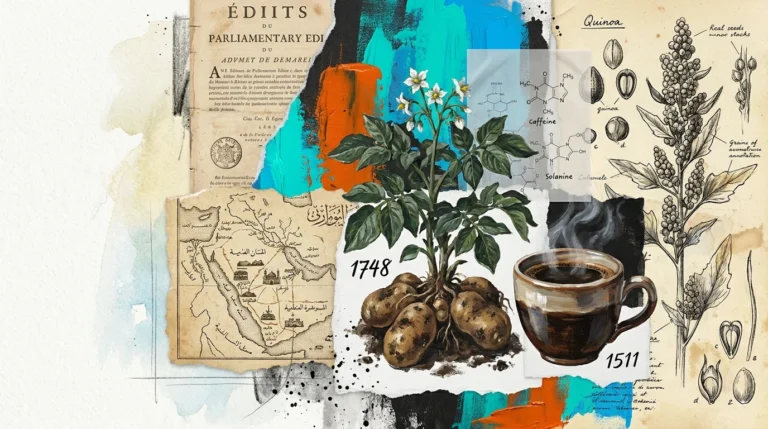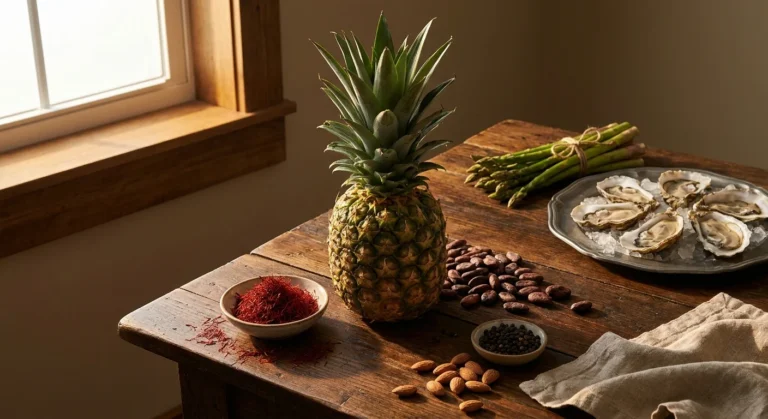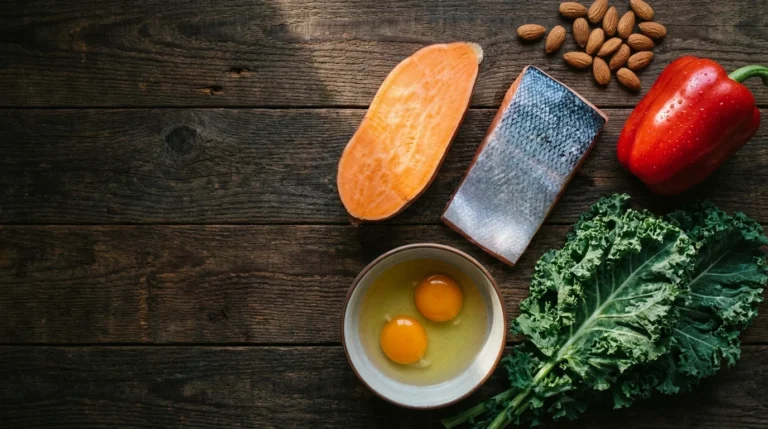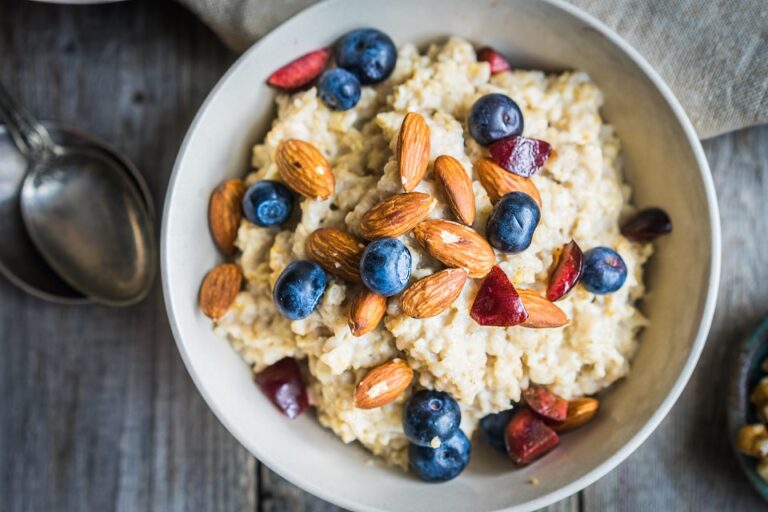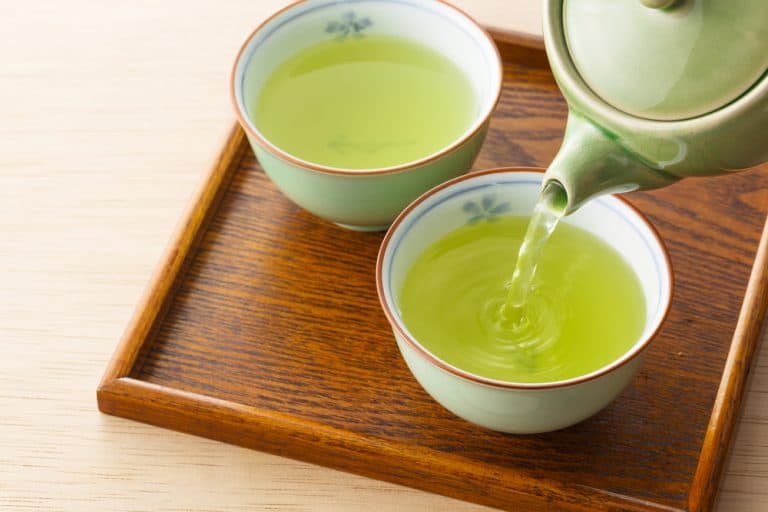


Understanding the surprising history behind your daily meals empowers you to appreciate the profound nutritional density sitting right on your plate. Reclaiming eight historically exclusive foods elevates your everyday nutrition while transforming how you view modern grocery aisles. Centuries ago, items you now toss casually into your shopping cart commanded astronomical prices, sparked global trade routes, and were reserved exclusively for royalty. Recognizing the cultural and nutritional evolution of these ingredients provides practical insights into their health benefits, helping you build a vibrant dietary foundation. By bridging the gap between ancient prestige and contemporary dietary science, you cultivate a profound respect for the vitamins, minerals, and antioxidants that support your physical resilience and metabolic well-being every single day.
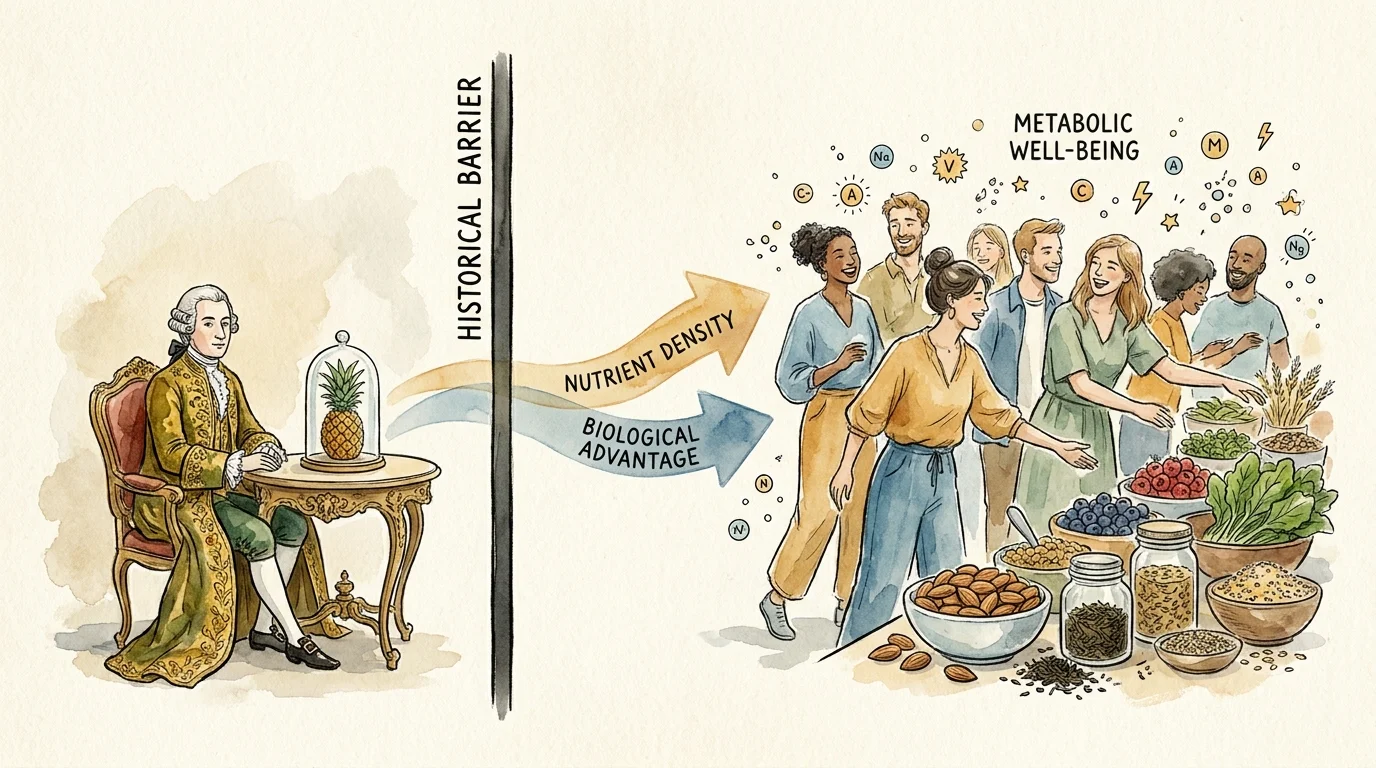
The Science of Dietary Evolution and Human Health
The global food supply chain has drastically shifted our collective dietary landscape. Throughout ancient history, geographical isolation and technological limitations dictated that only the wealthiest classes could afford diverse, nutrient-dense ingredients imported from distant lands. The democratization of agriculture and international trade has since turned former aristocratic luxuries into accessible pantry staples. However, this modern era of hyper-availability also ushered in a wave of ultra-processed items, disconnecting many people from the natural, profound benefits of whole foods. Looking backward through the lens of food history offers a powerful framework for your modern diet.
When you examine the nutrition facts of historically prized ingredients, a fascinating pattern emerges. Ancient cultures intuitively valued foods that provided intense biological advantages long before modern laboratories could measure antioxidants, trace minerals, or polyphenols. By intentionally reintroducing these specific, historically revered items into your lifestyle, you optimize your cellular function and physiological health. Embracing this rich food culture allows you to eat with deliberate purpose, transforming routine meal preparation into a practice that honors both your biology and human history.
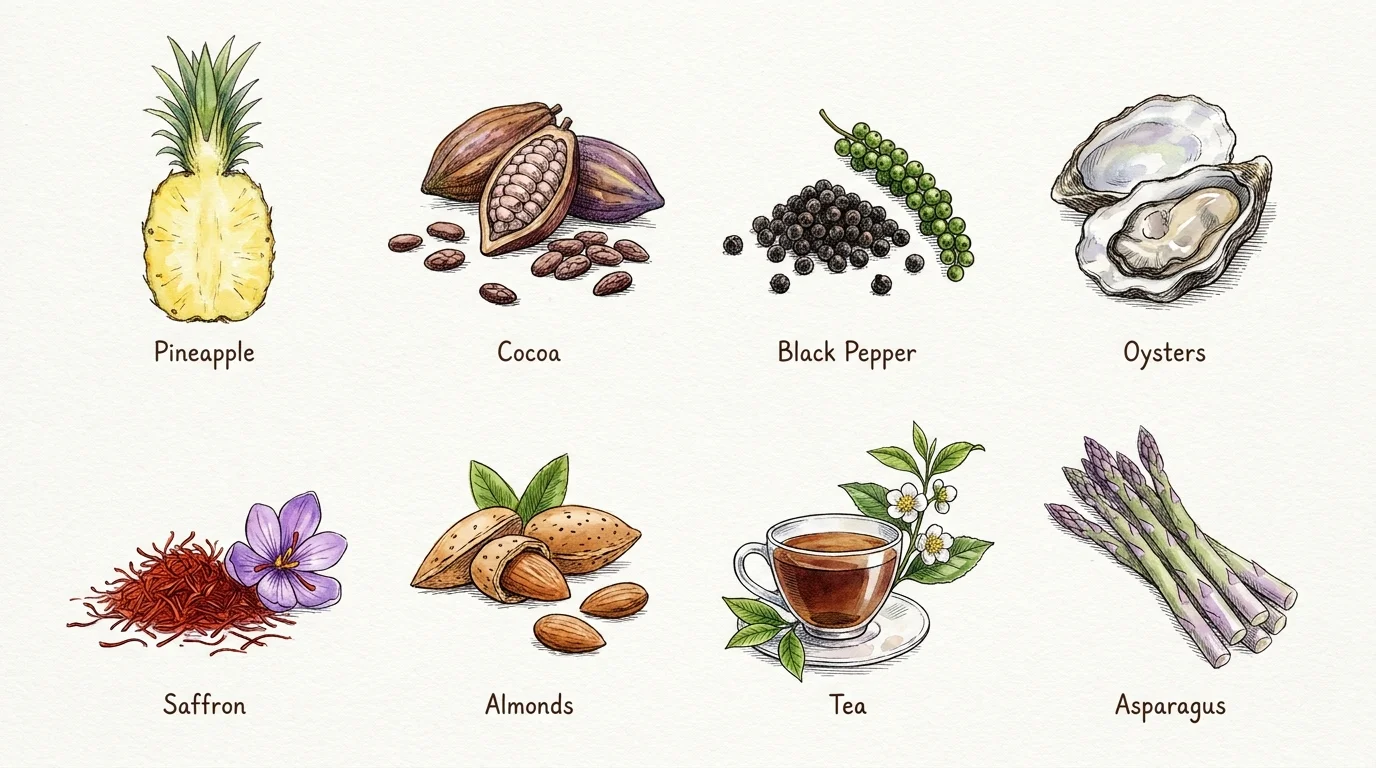
8 Historical Luxury Foods and Their Nutritional Value

1. Pineapple: The Ultimate Symbol of Wealth and Digestion
During the eighteenth century in Europe, pineapples were so extraordinarily rare and expensive that aristocrats actually rented them simply to display as centerpieces at elaborate dinner parties. A single pineapple could command a price equivalent to thousands of dollars in today’s currency. Cultivating this tropical fruit in cold climates required massive greenhouses, enormous amounts of coal, and dedicated horticultural staff, making the spiky fruit the ultimate status symbol of the elite class.
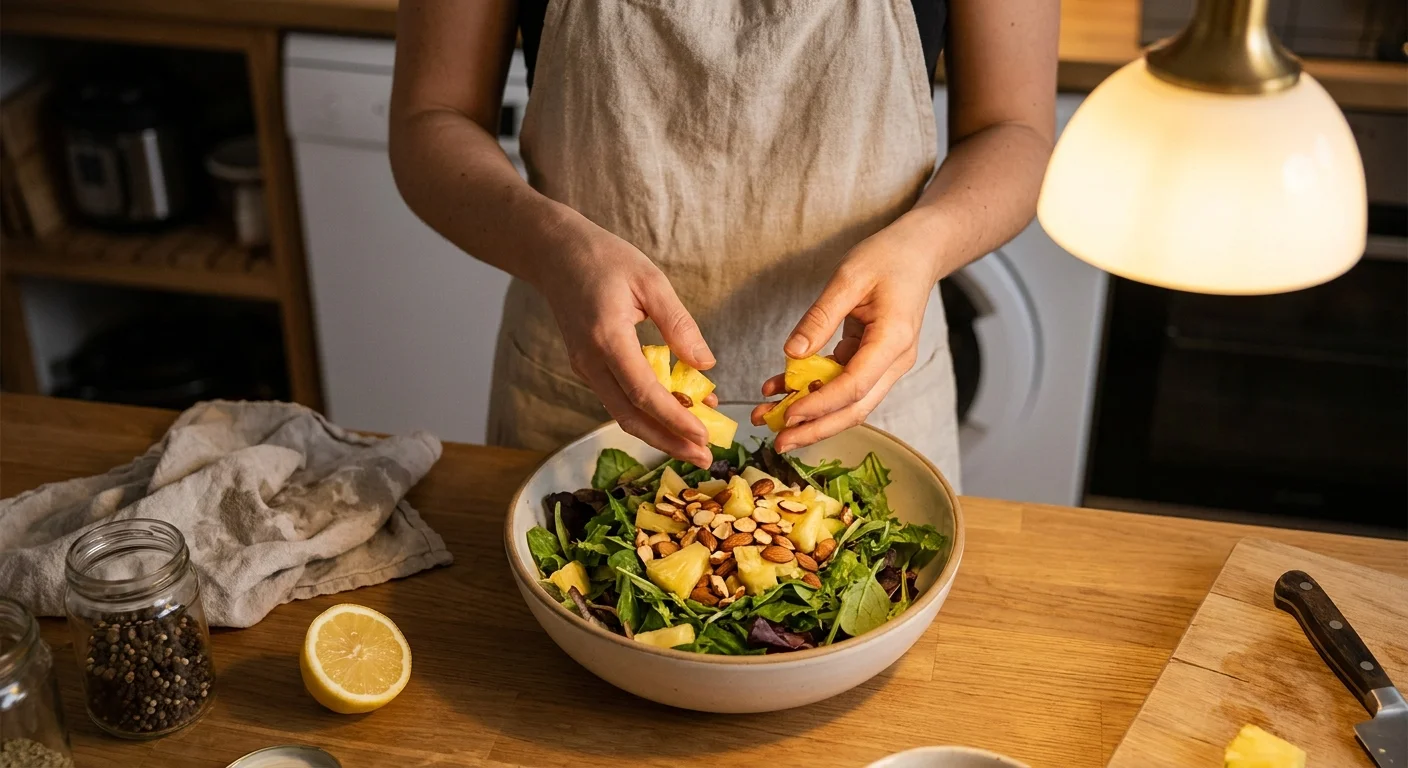
Today, you can leverage this former luxury item to deeply enhance your digestive health. Pineapples deliver a potent concentration of bromelain, a unique enzyme complex known for breaking down tough protein molecules in the gastrointestinal tract. Beyond its digestive prowess, bromelain acts as a powerful anti-inflammatory agent, helping your body recover from intense physical activity and reducing systemic swelling. You can easily maximize these benefits by consuming fresh pineapple chunks right after a protein-rich meal, allowing the natural enzymes to optimize your nutrient absorption.
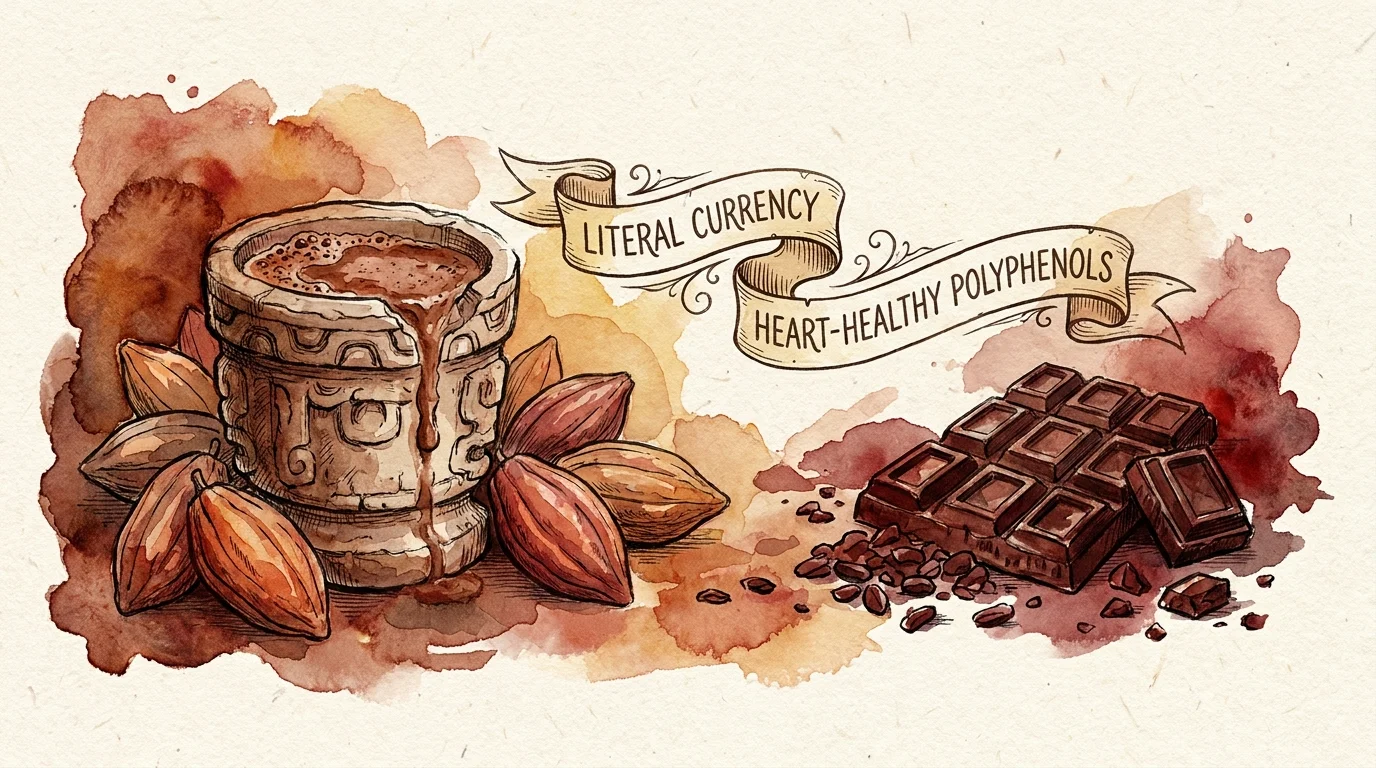
2. Cocoa: The Mesoamerican Currency Turned Heart-Healthy Staple
Long before it became a ubiquitous candy aisle fixture, the cacao bean functioned as literal currency across the Aztec and Mayan empires. Indigenous rulers and elite warriors consumed a bitter, frothy beverage made from crushed cacao, chili peppers, and water to sustain their energy and mental focus during demanding physical campaigns. The Spanish later transported this highly guarded secret back to Europe, where it remained a heavily taxed indulgence restricted to the aristocracy for centuries.
Your cardiovascular system deeply benefits from the democratization of this powerful plant. High-quality dark chocolate and pure cocoa powder contain exceptional levels of flavanols, a specific class of dietary antioxidants that stimulate your endothelial cells to produce nitric oxide. This biochemical reaction relaxes your blood vessels, improving arterial blood flow and helping to naturally support cardiovascular function. To harness the true power of this ancient currency, you should bypass sugary milk chocolate and instead integrate pure, unsweetened cocoa powder into your morning smoothies or oatmeal.
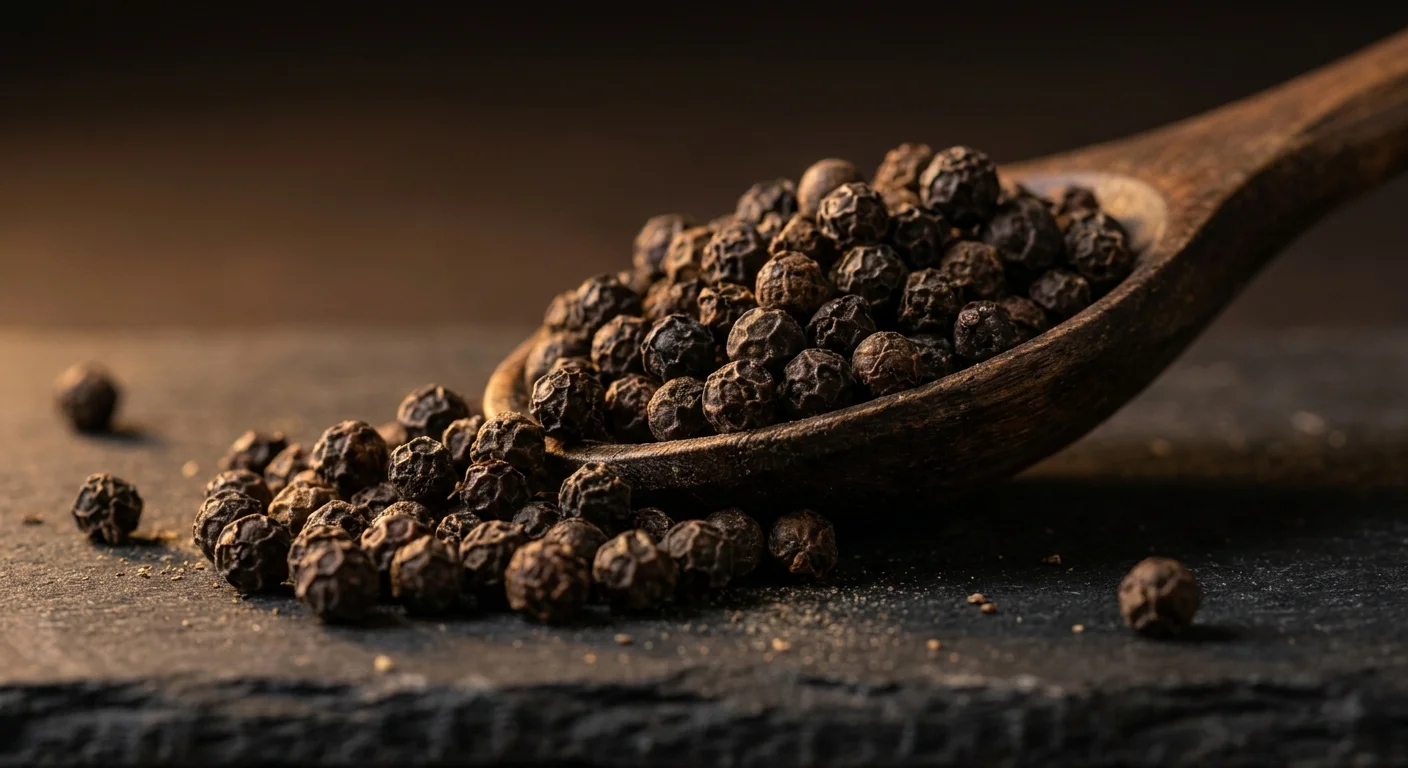
3. Black Pepper: The Antioxidant Spice Worth Its Weight in Gold
In the modern era, black pepper sits unassumingly on nearly every dining table in the world, yet its history tells a tale of fierce global conflict and exorbitant wealth. During the Roman Empire and the Middle Ages, peppercorns were referred to as “black gold” and were frequently used to pay rent, settle taxes, and formulate massive dowries. Traders guarded their spice routes with their lives, keeping the origins of this potent berry a heavily shrouded secret from Western buyers.
You can unlock remarkable metabolic advantages by utilizing black pepper strategically in your daily meals. The active compound in this ancient spice is piperine, a powerful phytonutrient that dramatically alters how your body metabolizes other compounds. When you combine black pepper with turmeric, the piperine inhibits specific digestive enzymes in your liver, increasing the bioavailability of turmeric’s anti-inflammatory curcumin by up to two thousand percent. You actively protect your cells from oxidative stress every time you freshly grind these ancient berries over your roasted vegetables or hearty soups.
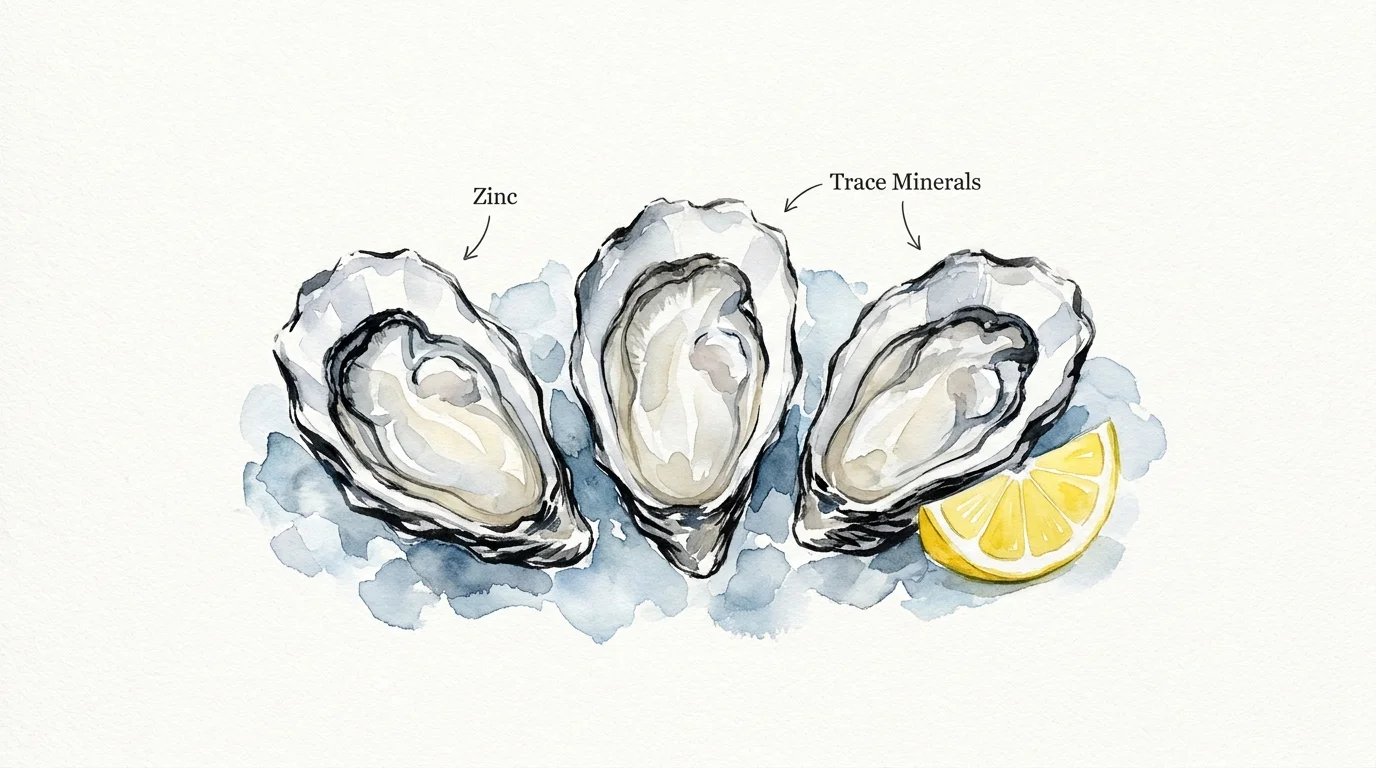
4. Oysters: The Elite Delicacy Sourcing Vital Trace Minerals
While oysters briefly became a ubiquitous street food in nineteenth-century New York before overfishing decimated local populations, their overarching historical narrative is one of supreme luxury. Roman emperors specifically imported living oysters from the shores of conquered Britain, transporting them in barrels of seawater across the continent. Legendary historical figures consumed them by the dozen to purportedly boost virility and sustain their physical stamina.
Modern clinical science validates the ancient obsession with these bivalves. Oysters stand as the absolute premier dietary source of a rich array of bioavailable zinc, a crucial trace mineral that regulates your immune responses, synthesizes DNA, and supports healthy testosterone levels. Furthermore, a single serving provides well over your daily requirement of Vitamin B12, ensuring optimal nerve function and red blood cell production. You can seamlessly integrate canned or fresh oysters into seafood stews to secure these vital micronutrients without breaking your grocery budget.
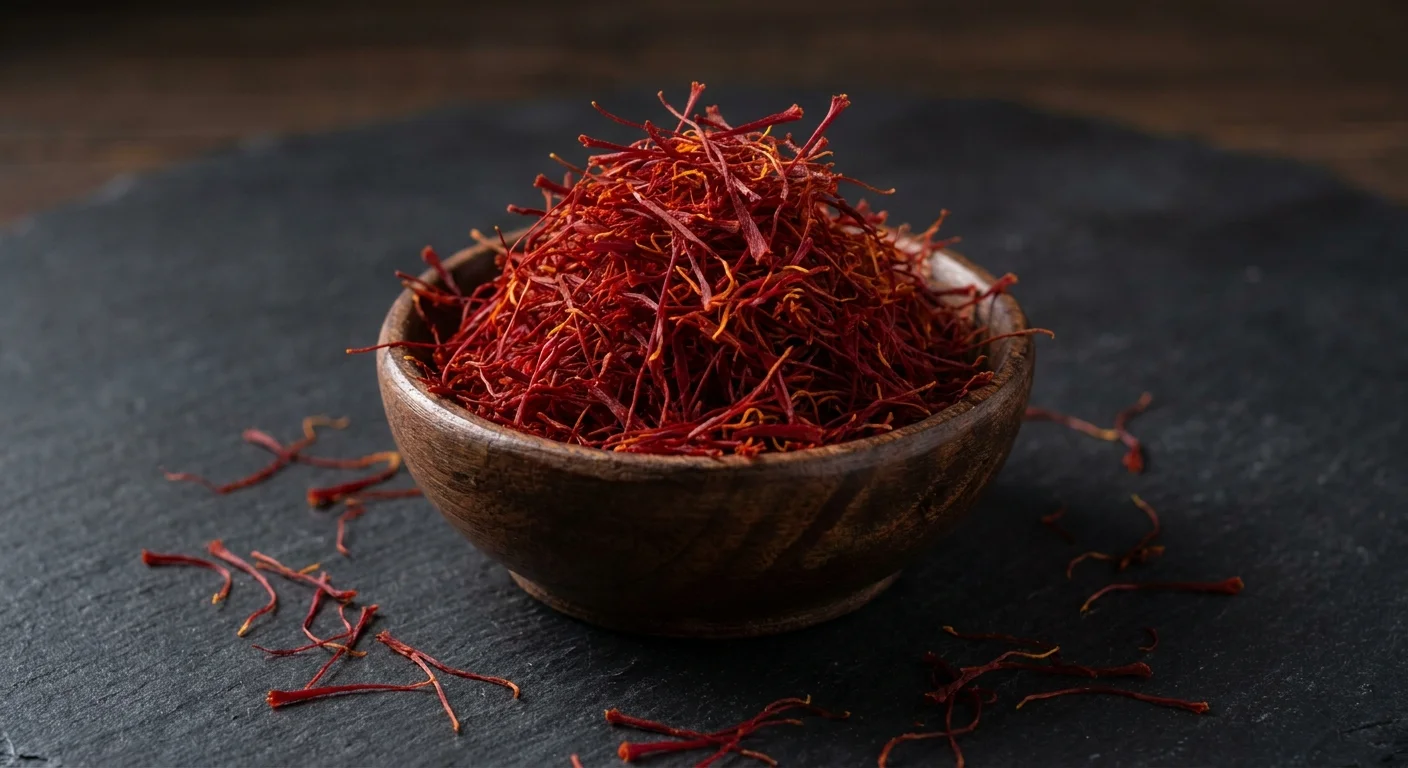
5. Saffron: The Costly Stigma Supporting Mood and Mindset
Saffron remains the most expensive spice in the world by weight, demanding an intensive, manual harvesting process of the delicate crocus flower stigmas. Cleopatra famously infused her royal baths with saffron to enhance her complexion, while Alexander the Great used the vibrant threads to heal his battle wounds. Its historical association with divinity, royalty, and immense wealth spans multiple continents and thousands of years.
Even in minuscule doses, saffron provides substantial neurological benefits that you can easily tap into. Clinical researchers continually isolate its active compounds, crocin and safranal, to study their profound impact on human neurochemistry. Emerging data suggests that these powerful antioxidants actively protect your brain cells against progressive oxidative damage and help regulate the neurotransmitters responsible for maintaining a stable, positive mood. You only need a tiny pinch of these crimson threads bloomed in warm water to infuse your rice dishes or morning teas with significant therapeutic potential.

6. Almonds: The Ancient Royal Snack Full of Healthy Fats
Archaeologists discovered remnants of almonds resting alongside pharaohs in the tomb of King Tutankhamun, placed there to sustain the royalty in the afterlife. The Romans distributed them as expensive gifts to important political allies, considering the nut a powerful charm for fertility and prosperity. Navigating the Silk Road, ancient merchants traded almonds at premium prices, ensuring that only the wealthiest citizens could regularly consume them.
You can now readily access these remarkable seeds to fundamentally improve your metabolic health. Almonds offer an exceptional profile of monounsaturated fats, dietary fiber, and Vitamin E, actively protecting your cellular membranes from environmental damage. Routine consumption plays a proven role in optimizing blood lipid profiles and preventing unexpected spikes in your blood glucose levels. You gain lasting satiety and a steady stream of sustained energy by keeping a handful of raw or dry-roasted almonds at your desk during demanding workdays.

7. Tea: The Imperial Beverage That Boosts Cognitive Function
Originating as a highly medicinal and ritualistic brew in ancient China, tea eventually became the catalyst for shifting global economies and sparking political revolutions. The British Empire tightly controlled the tea trade, framing the beverage as an absolute luxury reserved strictly for upper-class drawing rooms. The intricate ceremonies surrounding tea preparation elevated the simple act of drinking warm water into an exclusive art form.
When you steep a fresh cup of green or black tea, you are immersing yourself in a highly bioactive liquid capable of profound cellular defense. Tea leaves harbor dense concentrations of polyphenols and catechins, particularly epigallocatechin gallate (EGCG), which relentlessly combat oxidative stress within your body. More importantly, tea provides a unique amino acid called L-theanine that works synergistically with natural caffeine. This brilliant combination allows you to achieve a state of calm, focused alertness—producing alpha brain waves—without the nervous jitters often associated with excessive coffee consumption.
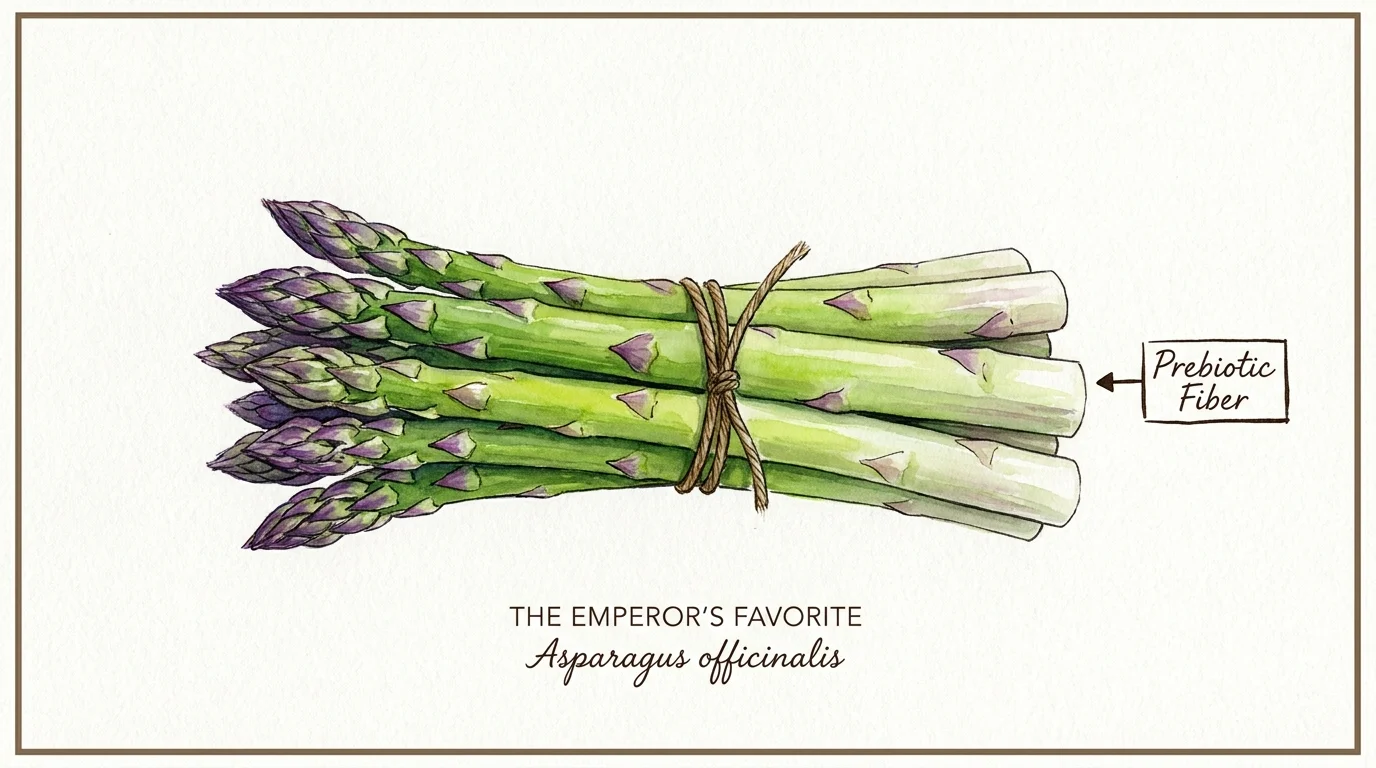
8. Asparagus: The Emperor’s Favorite Prebiotic Fiber
Emperor Augustus of Rome held asparagus in such high esteem that he created specialized military fleets—the Asparagus Fleet—solely dedicated to rapidly transporting the spears across his empire. He even coined the phrase “faster than cooking asparagus” to describe swift military action. Centuries later, King Louis XIV of France commanded his gardeners to construct specialized greenhouses so he could enjoy the vegetable year-round, firmly establishing its reputation as the “Food of Kings.”
Modern dietary science recognizes asparagus as an elite functional food that actively supports your gastrointestinal health. The spears are packed with inulin, a specialized prebiotic fiber that completely resists digestion in your upper tract. Once this fiber reaches your large intestine, it selectively feeds your beneficial bifidobacteria, reinforcing the strength of your gut microbiome. By lightly steaming asparagus and dressing it with a touch of extra virgin olive oil, you create an ideal side dish that bolsters your immune system from the inside out.
Applying Historical Food Culture to Your Lifestyle Pillars
Nutrition and Mindful Eating
Transitioning these historical luxury foods into your daily nutrition requires a shift in how you structure your meals. Instead of randomly snacking on almonds or hurriedly drinking your morning tea, you should design your plate with deliberate combinations. Pair your dark chocolate with a handful of nuts to stabilize blood sugar, or grind fresh black pepper over your turmeric-spiced meals to unlock hidden bio-availability. By viewing these ingredients as potent functional tools rather than mere flavor enhancers, you maximize their profound physiological impacts.

Movement and Physical Resilience
Centuries ago, securing these prized foods required immense physical labor, long-distance foraging, and agricultural endurance. Today, your modern conveniences have largely erased the movement historically required to acquire nutrient-dense ingredients. You can restore this balance by aligning your nutritional intake with your physical output. Fuel your strenuous resistance training with the sustained energy provided by cacao and almonds, and leverage the powerful anti-inflammatory properties of bromelain-rich pineapple to enhance muscle recovery and reduce inflammation following a vigorous outdoor hike or running session.

Mindset and Food Appreciation
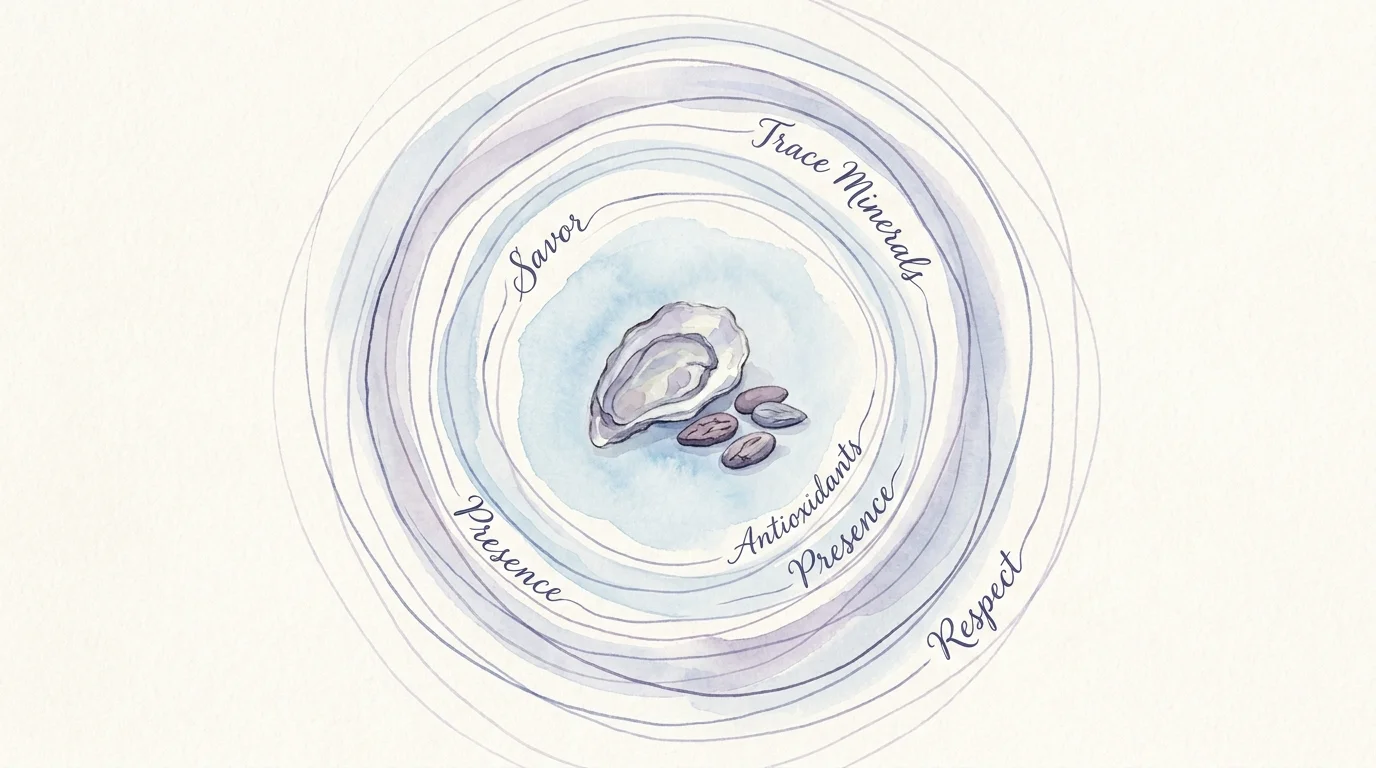
Your mindset plays a surprisingly crucial role in how your body metabolizes and digests incoming nutrients. When you mindlessly consume food while distracted by screens, your nervous system remains in a sympathetic state, hindering optimal digestion. Recognizing the rich history of a food like saffron or tea encourages you to slow down and truly savor your meal. This mindful approach shifts your nervous system into a parasympathetic “rest and digest” mode, allowing you to extract maximum nutritional value while cultivating a profound sense of gratitude for your readily available nourishment.

Real Voices from the Dietetics Community
Clinical dietitians frequently observe a profound shift in their clients’ eating habits when they connect historical context to modern dietary interventions. Rather than focusing purely on restrictive calorie counting or eliminating specific macronutrients, dietitians encourage patients to embrace the rich narratives behind whole foods. Understanding that a simple grocery store pineapple was once a monarch’s prized possession dramatically transforms a patient’s relationship with healthy eating.
Many community nutrition experts note that when individuals view their meals as an assembly of historically revered ingredients, they naturally begin to prioritize quality over convenience. This cultural reframing helps dismantle the harmful mindset that healthy food is a modern punishment or a bland chore. Instead, the daily act of preparing meals with fresh spices, ancient grains, and nutrient-dense proteins becomes an empowering ritual of self-care. Clinicians routinely report that patients who engage with the cultural background of their nutrition sustain their healthy eating habits far longer than those who rely strictly on sheer willpower.
Frequently Asked Questions About Historical Diets
How does knowing food history improve daily nutrition?
Understanding food history actively shifts your psychological relationship with eating from a chore into a practice of appreciation. When you learn about the extensive lengths ancient cultures went to secure spices, teas, and specific proteins, you naturally begin to respect those ingredients. This newfound respect often translates into taking more time to prepare meals properly, chewing your food more thoroughly, and selecting higher-quality, less-processed ingredients at the grocery store.
Are fresh pineapples significantly more nutritious than canned options?
Yes, choosing fresh pineapple provides substantially more biological benefits than consuming the canned variations. The canning process requires intense heat sterilization, which effectively destroys the delicate bromelain enzymes responsible for aiding your protein digestion and reducing systemic inflammation. Additionally, canned pineapples are frequently submerged in heavy, sugary syrups that spike your blood glucose levels, completely negating the natural health benefits of the fruit.
Can I get the health benefits of saffron without the exorbitant cost?
Absolutely; you only need an incredibly small amount of saffron to reap its active neuroprotective benefits. Because the crocin and safranal compounds are so highly concentrated, a single pinch of high-quality saffron threads will properly flavor and enrich an entire family-sized pot of rice or a large batch of tea. Purchasing a small, reputable vial of saffron is a manageable investment because that tiny amount will easily last you through several months of regular, strategic cooking.
What is the most effective way to consume cacao for cardiovascular health?
To secure the cardiovascular advantages of cacao without the negative metabolic impacts of excess sugar, you must prioritize unsweetened products. Select pure, un-dutched cocoa powder or solid dark chocolate bars that contain a minimum of seventy-five percent cacao content. The “Dutching” process, which uses alkalis to reduce bitterness in some commercial chocolate, unfortunately destroys a massive percentage of the heart-healthy flavanols. You achieve the best results by blending raw cacao powder into a nutrient-dense morning smoothie alongside healthy fats and dietary fiber.
Your Next Step Toward Mindful Nourishment
You possess the remarkable ability to transform your daily health simply by changing how you interact with your pantry. Your practical goal for this week is incredibly straightforward: select just one of these historically luxurious foods and consciously integrate it into a new daily ritual. Whether you choose to whisk pure cacao into your morning routine, grate fresh black pepper over a turmeric-rich dinner, or slowly sip a properly steeped cup of green tea, approach the action with deliberate intent. Take a moment to acknowledge the centuries of human history packed into that single serving, and allow that awareness to deepen your ongoing journey toward optimal wellness.