

Maximize your daily energy and protect your long-term health by prioritizing whole food sources of essential vitamins. Getting your micronutrients from food rather than isolated supplements ensures you absorb a complex matrix of beneficial compounds, fiber, and enzymes that work synergistically in your body. This guide breaks down the top ten most nutrient-dense foods delivering high concentrations of vital vitamins, from fat-soluble powerhouses A, D, E, and K to water-soluble B-complex vitamins and vitamin C. Understanding exactly which whole foods offer the greatest nutritional return on investment empowers you to build a resilient, energized body without overcomplicating your grocery budget. Transforming your daily meals into a powerful foundation for vibrant health starts with intentional, evidence-based grocery choices.
Science Deep Dive: How Vitamins Work in Your Body
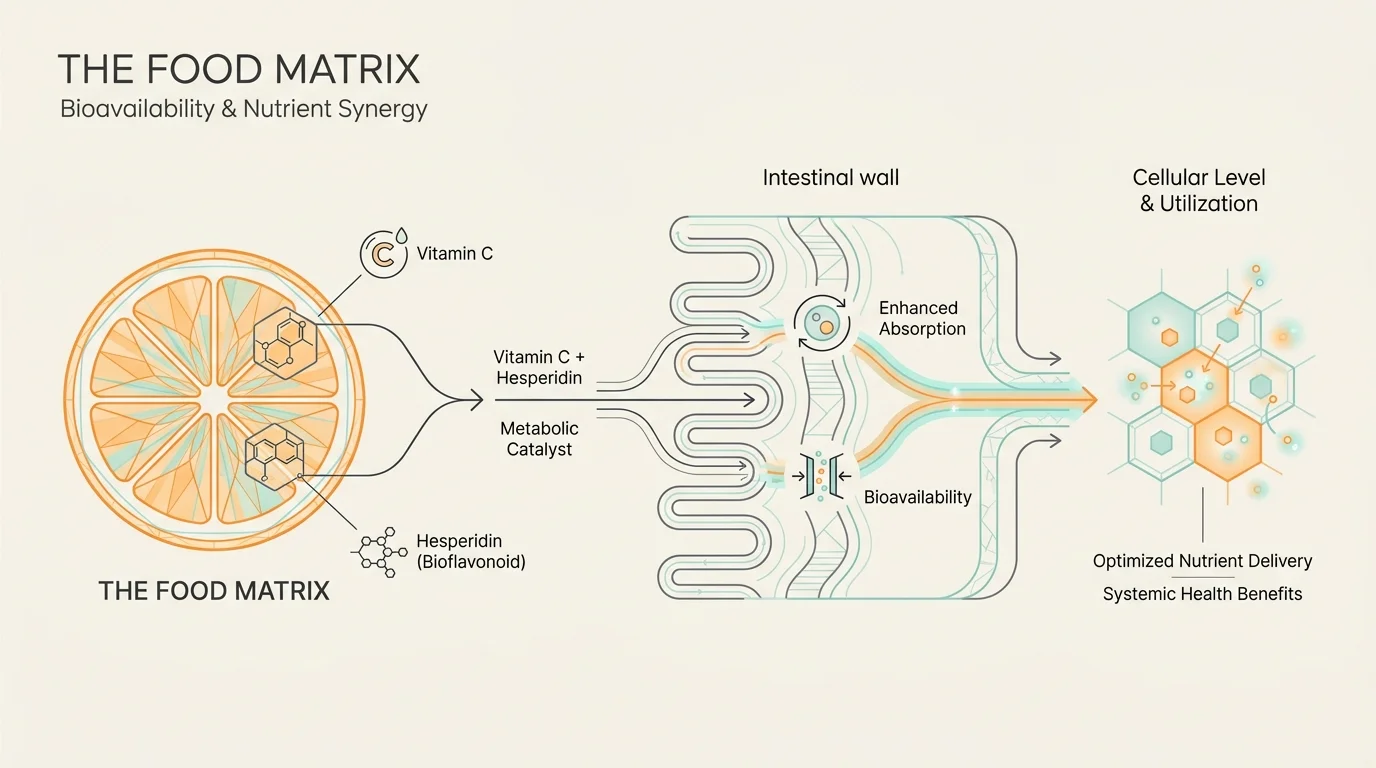
Your body relies on vitamins as metabolic catalysts; these microscopic organic compounds trigger millions of chemical reactions every minute. When you consume vitamins through whole foods, you benefit from the food matrix—the structural and chemical architecture of the food that dictates how nutrients interact. For example, eating an orange provides vitamin C alongside hesperidin, a bioflavonoid that enhances the absorption and utilization of that vitamin. Relying on comprehensive nutritional database research, clinical nutritionists strongly advocate for whole foods because they deliver nutrients in the exact ratios your body evolved to process efficiently.
Wild-caught salmon and pasture-raised eggs represent two of the most formidable animal-based vitamin sources available. Salmon serves as a premier source of vitamin D3, a prohormone essential for calcium absorption, immune regulation, and mood stabilization. A single serving also provides massive quantities of vitamin B12, supporting neurological function and red blood cell formation. Eggs complement this profile perfectly by delivering riboflavin, B12, and the vital nutrient choline. Choline builds cell membrane integrity and supports cognitive health through neurotransmitter synthesis. Eating the whole egg—including the yolk—is crucial, as the yolk contains the fat-soluble vitamins and fatty acids required to transport them across your intestinal wall.
Turning to the vibrant world of produce, sweet potatoes and bell peppers stand out as unparalleled sources of vitamins A and C. The deep orange hue of sweet potatoes indicates abundant beta-carotene, a precursor your body converts into active vitamin A. This fat-soluble nutrient drives cellular differentiation, protects your vision, and maintains mucosal barriers. Red bell peppers offer an exceptionally concentrated source of vitamin C, far surpassing citrus fruits. Vitamin C acts as a powerful aqueous antioxidant, neutralizing free radicals and initiating the synthesis of collagen, the primary structural protein in your connective tissues.
Leafy greens, particularly spinach and kale, provide an immense volume of fat-soluble vitamin K1 and water-soluble folate. Vitamin K plays a non-negotiable role in the blood clotting cascade and directs calcium into your skeletal structure, keeping your bones dense and your arteries clear. Folate governs DNA synthesis and cellular division; maintaining adequate folate ensures optimal energy production and healthy tissue repair. Because spinach contains oxalates that can inhibit the absorption of certain minerals, lightly cooking your greens breaks down these compounds and enhances overall vitamin bioavailability.
To secure adequate vitamin E and pantothenic acid, almonds and avocados should feature prominently in your diet. Vitamin E protects your lipid membranes from oxidative stress, functioning as a physiological shield for your cells. Almonds deliver this nutrient in abundance, alongside healthy monounsaturated fats that aid its assimilation. Avocados supply an exceptional dose of pantothenic acid, or vitamin B5, which your body requires to synthesize coenzyme A. This vital coenzyme drives the citric acid cycle, meaning avocados directly fuel your cellular energy factories.
Finally, lentils and ultraviolet-exposed mushrooms offer crucial metabolic support, particularly for those favoring plant-centric diets. Lentils pack a dense concentration of B-complex vitamins, including thiamine and vitamin B6, which facilitate the conversion of carbohydrates into usable cellular energy. Mushrooms hold a unique position in the fungal kingdom; when exposed to sunlight or UV lamps during growth, they synthesize substantial amounts of vitamin D2. Incorporating these foods ensures a broad spectrum of micronutrients that bridge the gaps often left by modern, highly processed dietary patterns.

Practical Planning: Optimizing Your Grocery Strategy
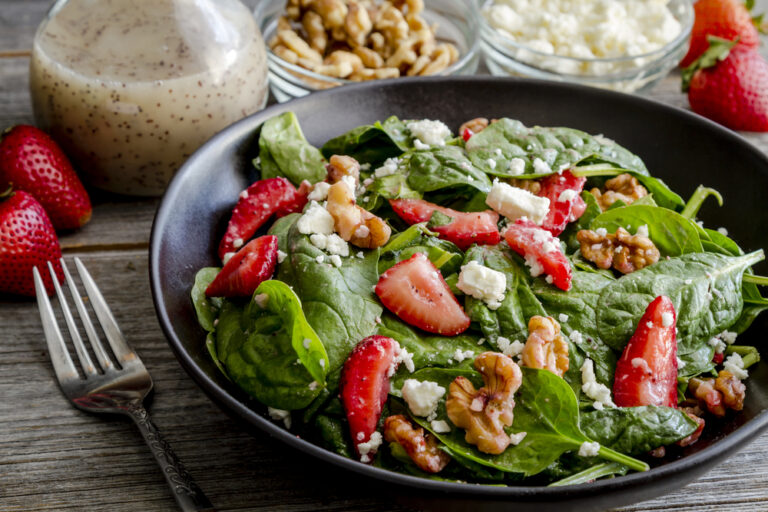
Knowing which foods contain the healthiest vitamins means little if you cannot absorb them effectively. Your gastrointestinal tract requires specific conditions to extract and transport these micronutrients. Because vitamins A, D, E, and K are fat-soluble, you must consume them alongside dietary fats. Drizzling extra virgin olive oil over your spinach salad or pairing sweet potatoes with crushed walnuts ensures your body actually captures the vitamins you consume. Conversely, water-soluble vitamins like the B-complex group and vitamin C absorb easily but exit your body quickly through urine. You must replenish these water-soluble nutrients daily by distributing produce and legumes across all your meals rather than eating them in a single massive sitting.
Strategic grocery shopping helps you maximize nutrient density without stretching your budget. While fresh produce looks beautiful, frozen fruits and vegetables often hold a superior vitamin profile. Farmers harvest produce destined for the freezer at peak ripeness and flash-freeze it within hours, locking in volatile nutrients like vitamin C and folate that degrade rapidly at room temperature. Reviewing food composition data reveals that frozen kale or frozen berries consistently rival their fresh counterparts in nutritional value. When buying fresh, prioritize seasonal produce; foods grown and harvested in their natural season require less time in transit and retain higher vitamin concentrations by the time they reach your kitchen.
Mindful meal timing also influences nutrient uptake. If you struggle with iron absorption, try pairing iron-rich plant foods with sources of vitamin C. Squeezing fresh lemon juice over cooked lentils or eating bell peppers alongside a spinach salad chemically reduces dietary iron into a form your body absorbs rapidly. Implementing these practical habits shifts your focus from merely eating food to actively nourishing your physiology.
Personalization: Adapting for Allergies, Culture, and Lifestyle
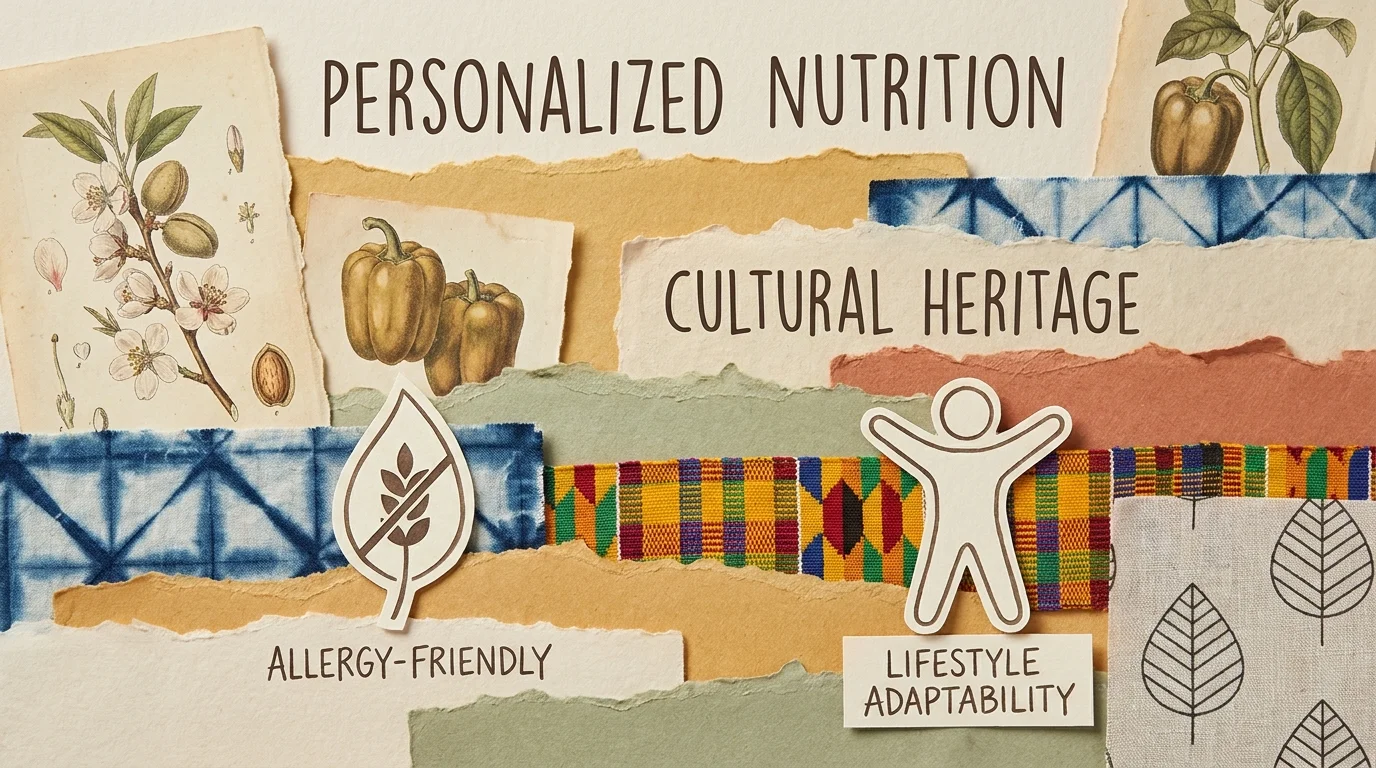
Nutrition science provides the blueprint, but true health requires adapting that blueprint to fit your physiological reality. If tree nut allergies prevent you from eating almonds for vitamin E, sunflower seeds serve as a virtually identical nutritional swap. Those who follow strict vegan or plant-based protocols must remain vigilant about vitamin B12, as it does not naturally occur in plant foods outside of fortified products or nutritional yeast. Engaging with clinical nutrition guidelines helps you identify which nutrients require professional supplementation when dietary preferences or restrictions remove major food groups from your rotation.
Embracing cultural dietary traditions frequently enhances your vitamin intake. You do not need to eat kale if it ignores your cultural palate; amaranth leaves, bok choy, collard greens, and mustard greens offer superior amounts of vitamin K and folate. Traditional fermentation practices—like preparing kimchi, sauerkraut, or natto—synthesize new B vitamins and enhance nutrient bioavailability. Honor your heritage by incorporating deeply pigmented, culturally significant vegetables into your routine. True nutritional resilience develops when your meals nourish both your cells and your soul, making your dietary pattern sustainable for decades.
Frequently Asked Questions
Can I rely purely on food for my vitamins, or do I need a daily supplement?
Whole foods should always form the foundation of your nutritional strategy because they provide a synergistic matrix of vitamins, minerals, and fiber. However, targeted supplementation remains necessary for certain populations. People living in northern latitudes often require vitamin D supplements during winter, and individuals with malabsorption issues or strict plant-based diets usually need supplemental B12. Use whole foods as your primary defense and apply supplements surgically to address specific clinical deficiencies identified by your healthcare provider.
Do intense food cravings mean I have a specific vitamin deficiency?
Cravings rarely point to a precise vitamin deficiency. While the idea that craving chocolate indicates a magnesium deficiency is popular, scientific literature does not support a direct correlation between specific food cravings and micronutrient status. Checking micronutrient facts confirms that cravings typically stem from inadequate total caloric intake, dehydration, sleep deprivation, or emotional stress. Ensure you eat balanced meals containing adequate protein and complex carbohydrates before assuming a craving signals a vitamin shortage.
What is the most effective way to track my daily micronutrient intake?
Rather than obsessing over tracking every milligram of every vitamin, focus on tracking the color and variety of your food. Reading epidemiological nutrition research demonstrates that individuals who eat a diverse array of deeply colored plant foods and high-quality proteins naturally meet their vitamin requirements. If you require precise data for medical reasons, digital tracking applications offer excellent micronutrient breakdowns, but visual plate assessments remain the most sustainable tracking method for long-term health.
How can I encourage my family to embrace these nutrient-dense foods?
Repeated, pressure-free exposure serves as the most effective method for shifting family dietary habits. Do not force completely new meals overnight; instead, integrate vitamin-rich foods into familiar, well-loved dishes. Finely chop spinach into pasta sauces, roast sweet potatoes into fries, or blend bell peppers into a savory soup base. Lead by example, maintain a positive attitude around whole foods, and invite your family to participate in the cooking process to increase their investment in the meal.
Your Next Step Toward Nutrient Density
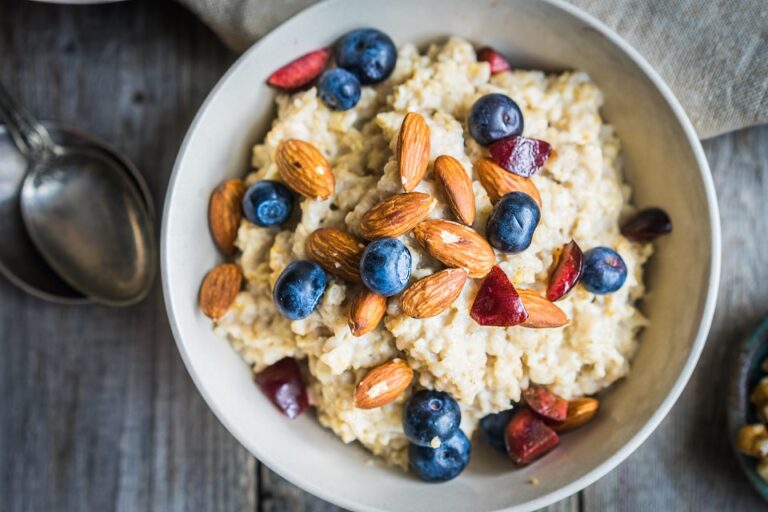
Knowledge transforms into health only when you take decisive action. Building a profoundly nourished body does not require overhauling your entire life by tomorrow. Instead, select just one of the ten vitamin-rich foods discussed today that you do not currently eat and incorporate it into a single balanced meal this week. Whether you add a handful of almonds to your morning oatmeal or roast a piece of wild salmon for dinner, observe how your physical energy and mental clarity respond. Consistent, incremental improvements in your grocery choices will compound over time, ultimately building an unshakeable foundation for lifelong vitality. Take ownership of your plate today, and watch your health thrive.