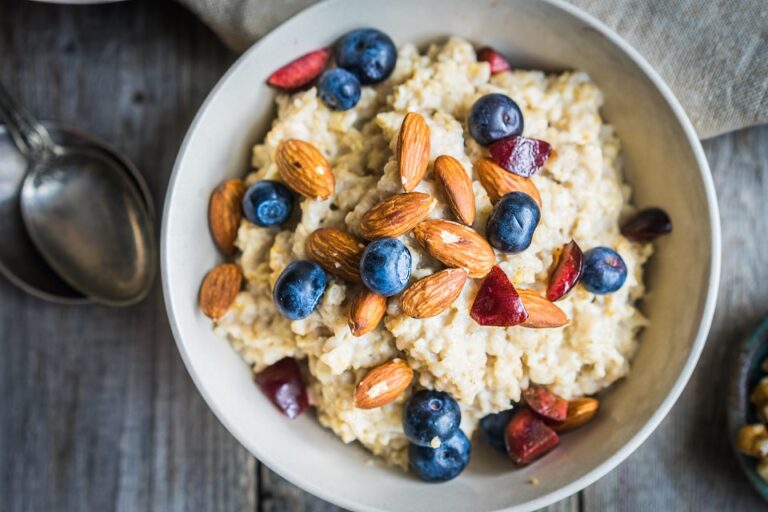


Optimizing your morning meal dictates your daily energy, blood sugar stability, and cognitive focus. Skipping vital nutrients or making common breakfast mistakes derails your metabolism before you even step out the door. Nutritionists consistently observe that well-intentioned individuals sabotage their mornings through a handful of specific, easily correctable habits. By identifying and shifting these detrimental routines, you can transform your first meal into a powerful tool for sustained energy and long-term health. Understanding the physiological impact of your morning choices empowers you to make adjustments that align with your unique nutritional needs. Let us explore the scientific consensus behind these missteps and outline practical, actionable strategies to elevate your morning routine today.
The Science Snapshot: Why Your First Meal Matters
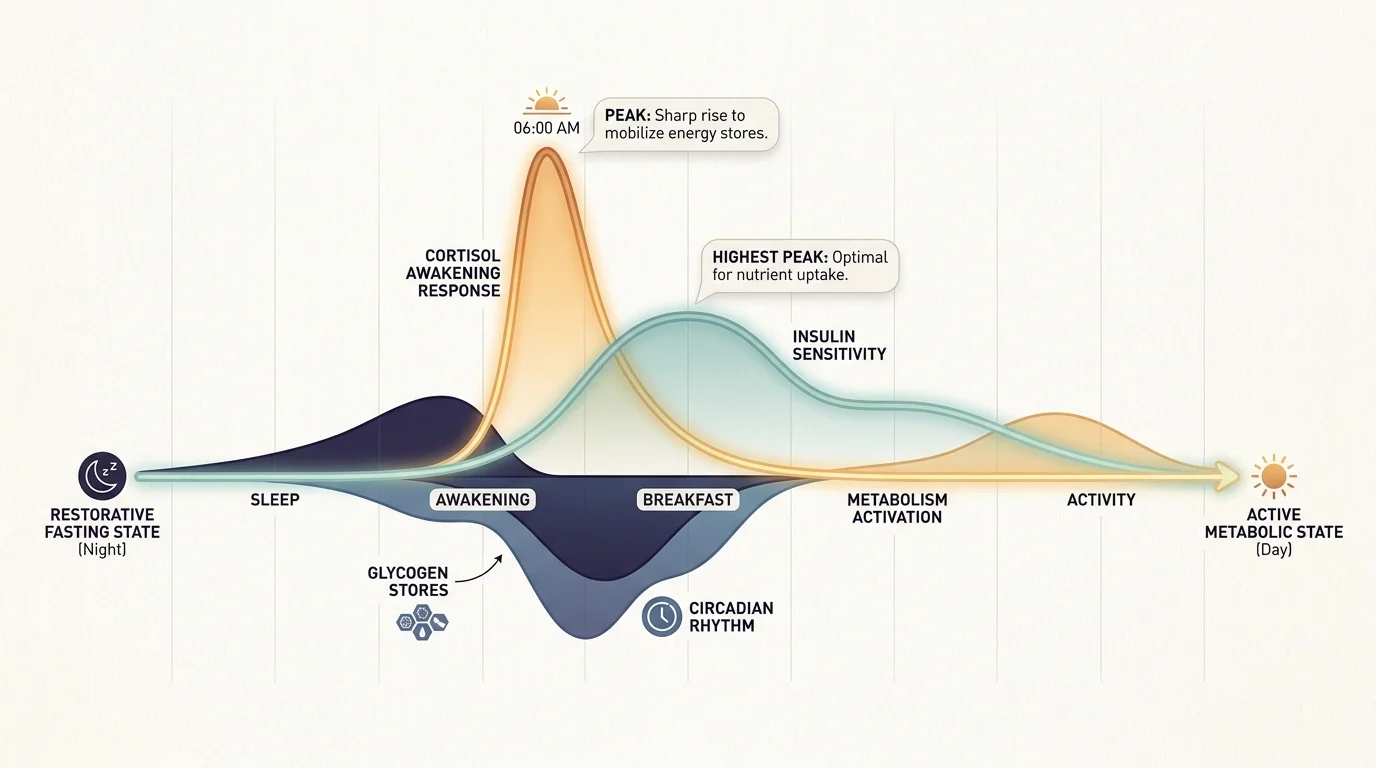
Your body operates on an intricate internal clock known as the circadian rhythm, which regulates everything from sleep cycles to hormone secretion and digestive efficiency. When you wake up, your system transitions from a restorative fasting state to an active metabolic state. During this transition, your cortisol levels naturally peak—a phenomenon called the cortisol awakening response—to help you feel alert and ready for the day. Concurrently, your insulin sensitivity is typically at its highest in the morning, meaning your muscle cells are primed to absorb nutrients and replenish the glycogen stores depleted overnight.
Failing to provide the right physiological signals through your morning meal disrupts this delicate hormonal balance. Consuming highly processed foods or skipping essential macronutrients can send your blood sugar on a rapid rollercoaster, leading to mid-morning crashes, persistent brain fog, and intense sugar cravings later in the afternoon. According to clinical research published by the National Institutes of Health, individuals who consume a nutritionally balanced breakfast demonstrate improved cognitive performance, better cardiovascular markers, and superior glycemic control throughout the remainder of the day. A strategic morning meal anchors your metabolic rate and provides the essential building blocks for neurotransmitter production, setting the tone for your entire day.

Strategy Pillars: 8 Morning Habits to Leave Behind

1. Skimping on High-Quality Protein
Many traditional breakfast foods heavily favor carbohydrates and fats while offering negligible amounts of protein. Relying solely on cereal, fruit, or toast starves your muscles of the amino acids required for repair and synthesis. Protein plays a crucial role in regulating appetite hormones; it decreases ghrelin, the hunger hormone, while increasing peptide YY and GLP-1, which signal fullness to your brain. When you skip protein in the morning, you increase your likelihood of excessive snacking later in the day.
Aim to consume 25 to 30 grams of high-quality protein within your first meal. You can easily achieve this target by incorporating three whole eggs alongside half a cup of cottage cheese, or by blending a scoop of your favorite whey or plant-based protein powder into a fiber-rich smoothie. If you prefer plant-based options, consider a hearty tofu scramble heavily seasoned with turmeric and nutritional yeast. Front-loading your protein intake not only keeps you satiated for hours but also prevents age-related muscle loss and stabilizes your energy levels through complex biochemical pathways.

2. Consuming Naked Carbohydrates
Eating carbohydrates completely isolated from other macronutrients—often referred to as consuming naked carbs—triggers an aggressive insulin response. When you eat a plain bagel, a bowl of sweetened oatmeal, or a banana on its own, your digestive system rapidly breaks down these simple starches into glucose. This glucose floods your bloodstream, prompting your pancreas to release a large surge of insulin. While insulin clears the glucose from your blood, this rapid clearance often results in reactive hypoglycemia; your blood sugar drops too low, leaving you feeling lethargic, irritable, and suddenly ravenous.
You can prevent this volatile metabolic swing by always pairing your carbohydrates with a stabilizing buffer. Dietary fats and proteins slow the rate of gastric emptying, which in turn slows the absorption of glucose into your bloodstream. For instance, if you enjoy an apple in the morning, slice it and serve it with two tablespoons of almond butter. If you prefer whole-grain toast, top it with smashed avocado and hemp seeds. Adopting these nutritional frameworks from the Harvard T.H. Chan School of Public Health ensures a steady, prolonged release of energy rather than a fleeting rush.

3. Drinking Coffee Before Hydrating
Reaching for the coffee pot the moment you open your eyes is a culturally ingrained habit, yet it severely compromises your hydration status. During a typical eight-hour sleep cycle, you lose a significant amount of water through respiration and subtle perspiration. Waking up mildly dehydrated reduces your blood volume, impairs cognitive function, and slows cellular metabolism. Because caffeine acts as a mild diuretic, drinking coffee before consuming any water exacerbates this overnight fluid deficit.
Furthermore, consuming caffeine on an empty stomach right when your cortisol levels are naturally peaking can overstimulate your adrenal glands, leading to jitteriness and heightened anxiety. Protect your physiological baseline by drinking 16 to 20 ounces of room-temperature or warm water immediately upon waking. You might add a squeeze of fresh lemon or a pinch of sea salt to replenish lost electrolytes. Wait at least 45 to 60 minutes after waking before you pour your first cup of coffee. This brief delay allows your natural cortisol peak to subside, making the caffeine more effective and preventing unnecessary stress on your nervous system.
4. Neglecting Dietary Fiber
Fiber acts as the foundational fuel for your gut microbiome, yet it is conspicuously absent from standard morning fare like refined pastries and processed meats. Soluble fiber dissolves in water to form a gel-like substance in your digestive tract, which lowers cholesterol and slows digestion. Insoluble fiber adds bulk to your stool and promotes regular bowel movements. Neglecting fiber in the morning means missing a critical opportunity to feed the beneficial bacteria in your large intestine, which are responsible for producing anti-inflammatory short-chain fatty acids.
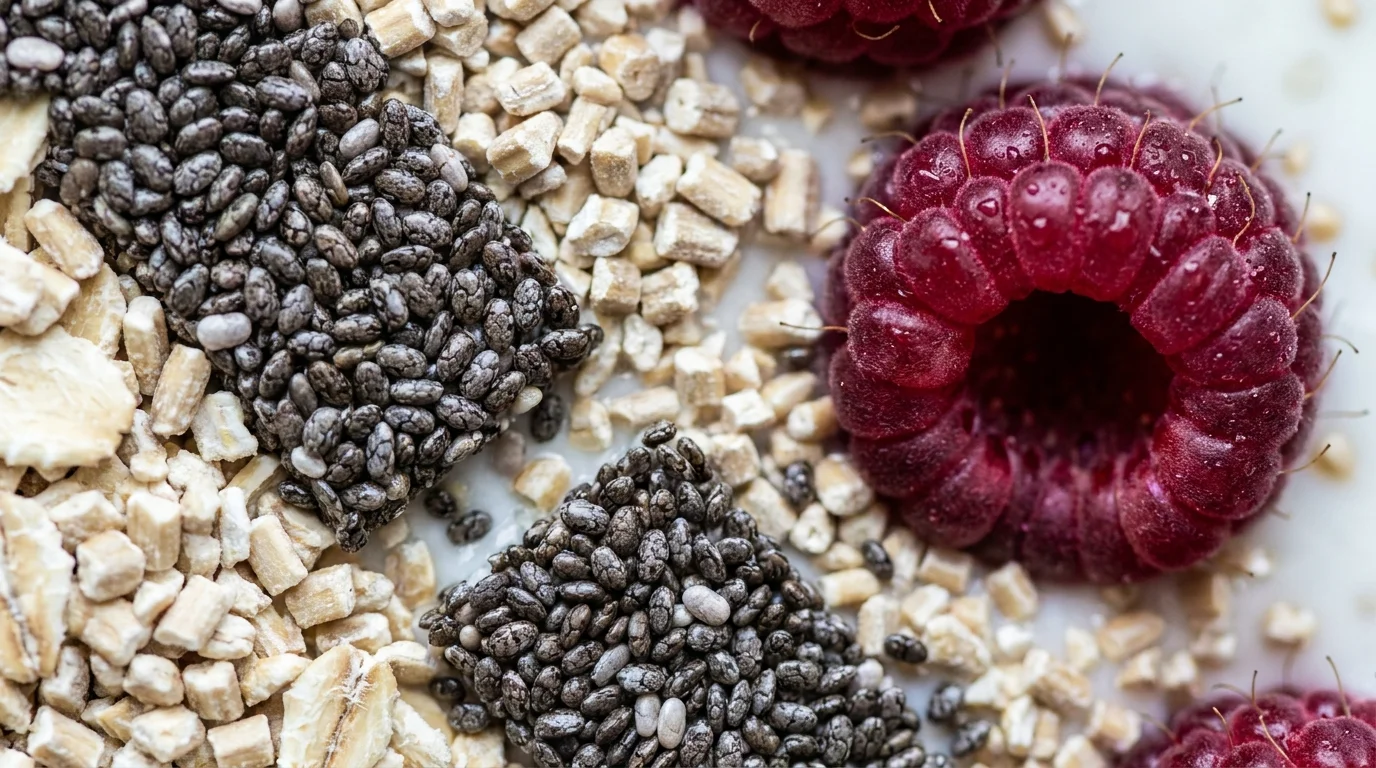
Adults should strive for 25 to 30 grams of daily fiber to meet the guidelines established by the World Health Organization, and your morning meal should provide at least a third of this requirement. Enhance your breakfast by sprinkling a tablespoon of ground flaxseed or chia seeds over your yogurt. Incorporate a handful of raspberries—which pack a remarkable 8 grams of fiber per cup—into your meals. Choosing whole, minimally processed grains like steel-cut oats over instant varieties significantly boosts your intake, ensuring your digestive system functions optimally throughout the day.

5. Rushing Through the Meal
Eating while standing at the kitchen counter, driving, or scrolling through emails actively impairs your digestive capability. Digestion actually begins in the brain during the cephalic phase; the sight, smell, and anticipation of food trigger your salivary glands and prompt your stomach to release gastric acid. When you eat in a state of distraction or stress, your body remains trapped in a sympathetic dominance—the fight-or-flight response. In this state, blood flow diverts away from your digestive organs and toward your extremities.
Failing to thoroughly chew your food forces your stomach and intestines to work significantly harder, frequently resulting in bloating, gas, and incomplete nutrient absorption. Reclaim your digestion by sitting down at a table without digital screens. Take three deep, purposeful breaths before you take your first bite to activate your parasympathetic nervous system—the rest-and-digest state. Chew each mouthful until it reaches a paste-like consistency. This mindful pacing not only improves nutrient extraction but also allows your brain adequate time to register satiety signals, preventing accidental overeating.
6. Mismanaging Fuel for Morning Movement
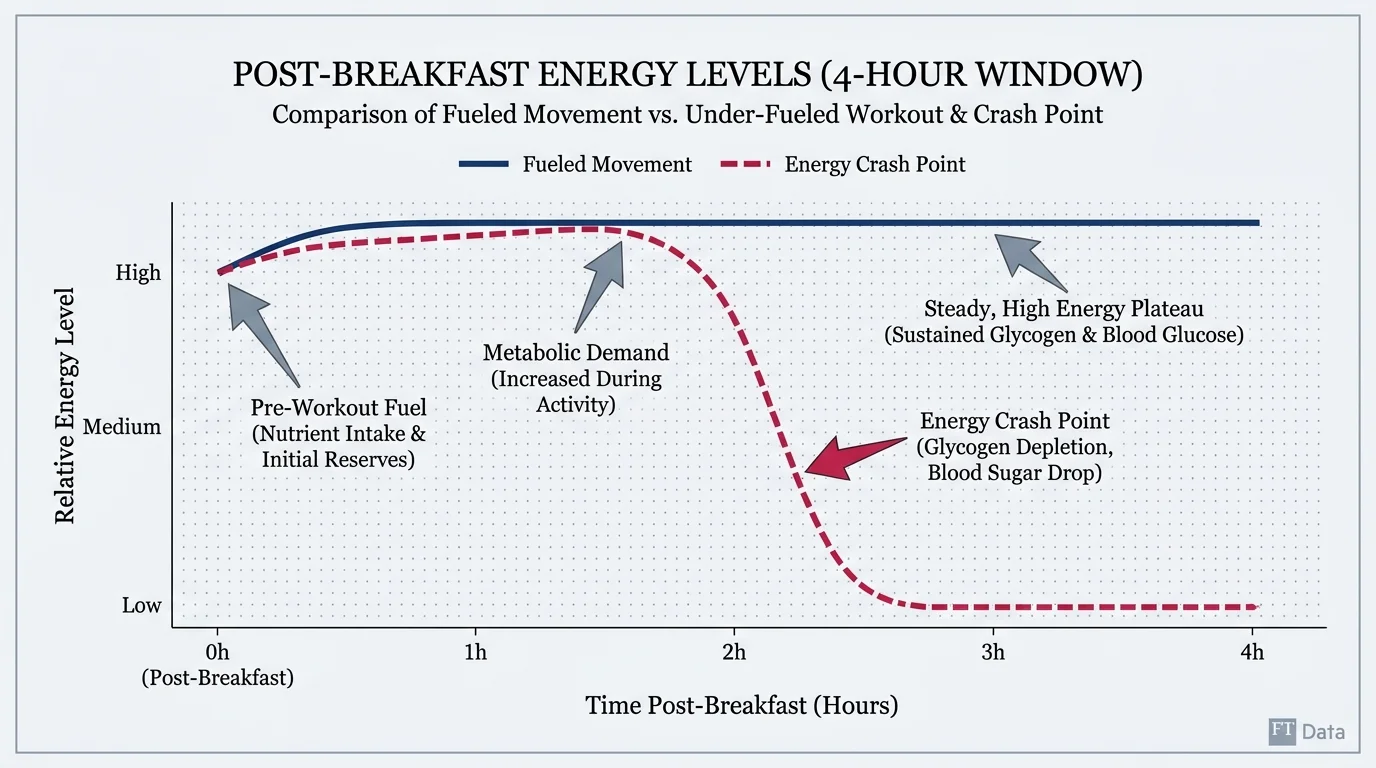
Navigating the exact timing and composition of breakfast around morning exercise confuses many individuals. Heading into an intense, high-heart-rate workout completely fasted can increase muscle protein breakdown and elevate stress hormones, particularly for women. Conversely, eating a heavy, fat-laden meal directly before running or lifting weights often causes severe gastrointestinal distress because the body cannot digest food efficiently while actively exercising.
Tailor your morning fuel to your specific movement routine. If you plan to engage in low-intensity activities like yoga or a brisk walk, you might feel perfectly fine exercising fasted or with just a small piece of fruit. However, if you are performing heavy resistance training or high-intensity interval training, you need accessible energy. Following the position stands from the American College of Sports Medicine, consume a small, easily digestible carbohydrate source—such as half a banana or a rice cake with honey—about 30 minutes before your workout. Save your larger, protein-heavy breakfast for the post-workout window to facilitate muscle recovery and glycogen replenishment.

7. Relying Exclusively on Liquid Meals
Smoothies and meal-replacement shakes offer incredible convenience during hurried mornings, but relying on them exclusively undermines vital physiological processes. The physical act of chewing—mastication—sends crucial signals to your brain that a meal is underway. This mechanical breakdown of food stimulates the release of histamine and other signaling molecules that prepare your digestive tract for incoming nutrients. Liquid meals bypass this mechanical step almost entirely.
Because liquids empty from the stomach much faster than solid foods, a large smoothie might leave you feeling ravenous just an hour later, despite containing an adequate number of calories. If you must rely on blended meals for logistical reasons, engineer them for maximum satiety. Build your smoothie with a substantial protein source, healthy fats like avocado or walnuts, and plenty of fibrous greens. More importantly, alter the texture; serve your smoothie in a bowl and top it with raw nuts, cacao nibs, or toasted coconut flakes. Forcing yourself to chew the toppings slows down your consumption rate and re-engages your body’s natural fullness cues.
8. Eating the Exact Same Foods Daily
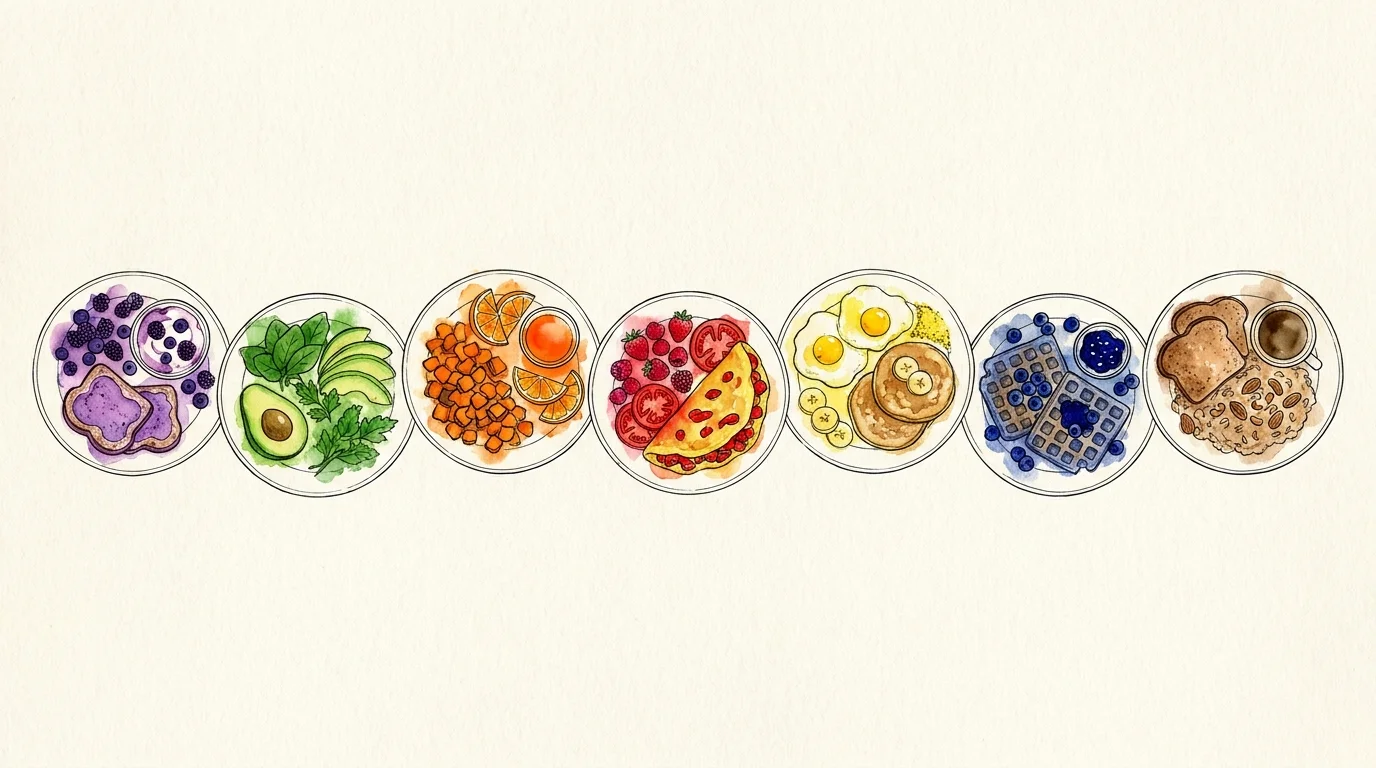
Routine provides comfort and saves mental energy, leading many people to eat the exact same bowl of oatmeal or identical fried eggs every single morning for years. While consistency in macronutrient timing is beneficial, severe dietary monotony actively harms your gut microbiome. Your digestive tract houses trillions of microorganisms representing hundreds of different species. Each species thrives on different types of dietary fibers and phytonutrients.
Eating the same foods daily starves certain bacterial populations while overfeeding others, leading to a less resilient immune system and poorer metabolic health. Nutritionists recommend aiming for 30 different plant species per week to optimize microbial diversity. Break out of your breakfast rut by rotating your ingredients seasonally. If you eat berries this week, switch to chopped apples or pears next week. Alternate your protein sources between eggs, Greek yogurt, smoked salmon, and tempeh. Introduce different nuts and seeds into your rotation to ensure a broad spectrum of micronutrients and polyphenols.

Real Voices from Clinical Practice
Registered dietitians emphasize that nutrition is never a rigid set of universally applicable rules; rather, it is a highly individualized science. Clinicians routinely see clients who have forced themselves into intermittent fasting windows that disrupt their hormone balance, simply because the trend appeared popular online. Conversely, they treat individuals who stubbornly eat heavy, carbohydrate-dense meals despite feeling chronically sluggish afterward. The consensus among clinical experts is that the most effective morning routine respects your unique metabolic signals, cultural background, and daily schedule.
Healthcare professionals strongly advise against ignoring your physical symptoms in pursuit of a perfect diet. If a specific habit—even one widely touted as healthy—leaves you feeling fatigued, anxious, or bloated, your body is requesting a change. Before undertaking significant alterations to your dietary patterns or managing specific health conditions like diabetes or polycystic ovary syndrome, seek personalized guidance. You can easily connect with credentialed professionals through the Academy of Nutrition and Dietetics directory to develop a tailored morning strategy.
Frequently Asked Questions
Is fasting better than eating breakfast?
The benefits of fasting heavily depend on your individual metabolic health, stress levels, and daily demands. While some individuals experience enhanced mental clarity and digestive rest by delaying their first meal, others experience severe blood sugar dysregulation, heightened cortisol, and muscle loss. Women, in particular, often find that skipping breakfast negatively impacts their thyroid function and reproductive hormones. Listen to your biofeedback; if fasting makes you feel energetic, it may work for you, but if it causes irritability or intense cravings, eating a balanced breakfast is a vastly superior choice.
What is the ideal time to eat after waking up?
There is no universal metabolic deadline, but consuming your first meal within 60 to 90 minutes of waking supports optimal hormone regulation for most people. This timeframe allows your initial cortisol spike to naturally decline while providing timely nourishment to stabilize your blood sugar before you begin your daily tasks. If you exercise first thing in the morning, your meal timing will naturally shift to accommodate your pre-workout fuel and post-workout recovery needs.
Can I still eat traditional breakfast foods like pancakes?
You absolutely can enjoy traditional comfort foods by modifying their nutritional profile. Rather than eating a massive stack of refined white flour pancakes drenched in sugary syrup, upgrade the ingredients. Blend oats, cottage cheese, and eggs to create a high-protein, fiber-rich pancake batter. Top your meal with real, antioxidant-dense berries and a modest drizzle of pure maple syrup paired with crushed walnuts. This approach honors your cravings while delivering the stable energy your body requires.
How do I manage breakfast if I have no appetite in the morning?
A lack of morning appetite often stems from eating large, heavy meals late at night or experiencing chronic stress. Start by evaluating your dinner timing; aim to finish your last meal at least three hours before bedtime. If you still wake up without hunger, do not force a massive meal. Begin with something small and easily digestible, such as a cup of bone broth or a few spoonfuls of Greek yogurt. Over time, as you adjust your eating patterns and hydrate properly upon waking, your natural morning hunger cues will likely return.
Your Next Step Forward
Overhauling your entire morning routine overnight rarely leads to sustainable success. Attempting to change too many variables at once often causes frustration and eventual burnout. Instead, treat your morning nutrition as an evolving experiment. Choose exactly one habit from the list above to address this week. Whether you decide to drink a glass of water before starting the coffee maker, or you commit to adding 10 grams of protein to your current breakfast, execute that single change consistently. Small, deliberate adjustments compound over time, ultimately building a powerful nutritional foundation that supports your lifelong vitality.