

Navigating your nutritional needs as you age presents a wonderful opportunity to refine your habits for longevity. As you enter your sixties, your metabolism slows, requiring fewer calories but more nutrients per bite. You face the challenge of maintaining muscle mass, supporting cognitive function, and protecting your heart. The Mediterranean dietary pattern consistently ranks as the most effective framework for healthy aging. However, many guides feature complicated meals that do not fit a relaxed retirement lifestyle. You need practical, flavor-packed solutions that respect your time while delivering essential vitamins.
The Science Behind the Mediterranean Pattern
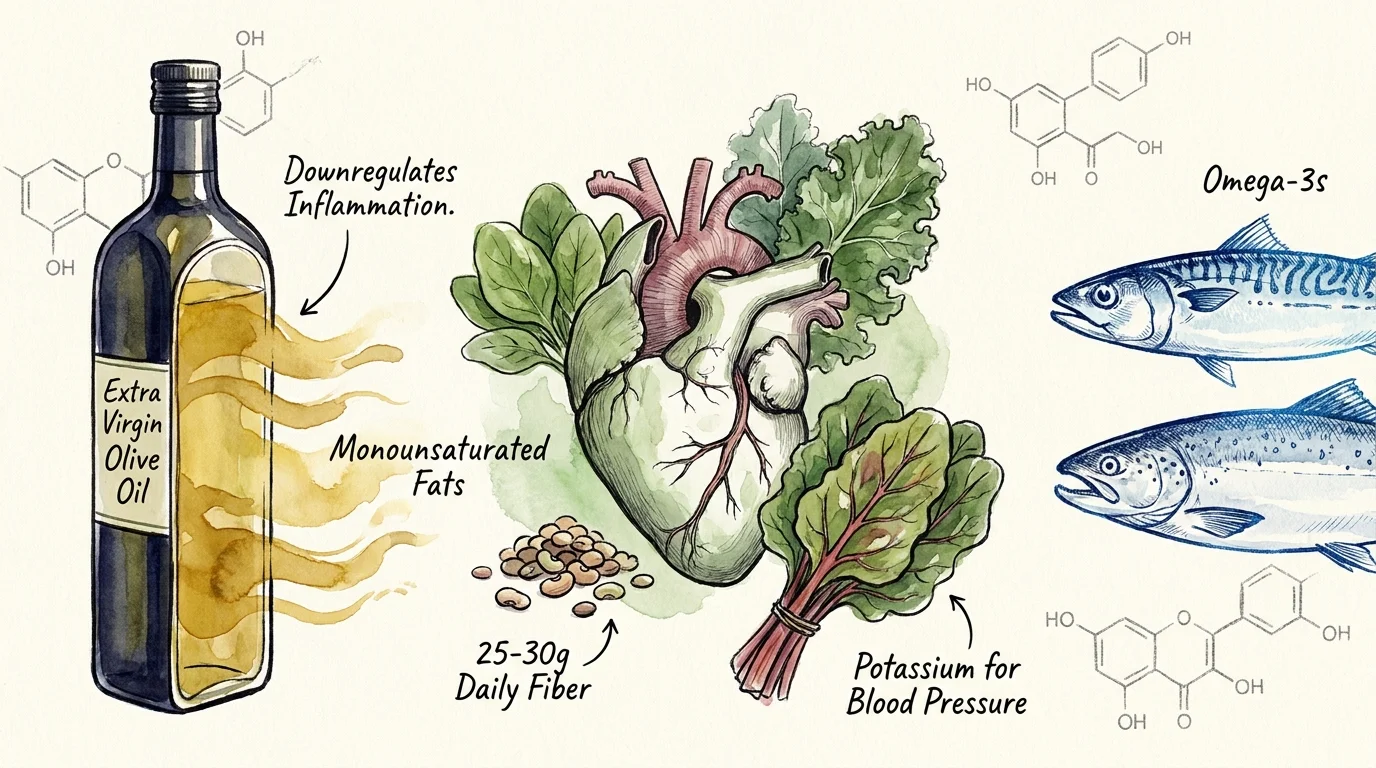
To understand why this approach works beautifully for older adults, consider the metabolic shifts occurring later in life. As you age, your body naturally experiences a mild increase in systemic inflammation, contributing to joint stiffness and insulin resistance. The central elements of the Mediterranean style—extra virgin olive oil, fatty fish, leafy greens, and legumes—are biochemically designed to counteract this process. The monounsaturated fats found in cold-pressed olive oil actively downregulate inflammatory markers. Maintaining adequate protein intake also becomes paramount to prevent the age-related loss of muscle mass. According to landmark nutritional studies, individuals adhering to a Mediterranean eating pattern show a significant reduction in major cardiovascular events. Furthermore, securing twenty-five to thirty grams of daily dietary fiber helps prevent constipation and stabilizes blood glucose. By focusing on whole ingredients, you optimize your intake of potassium, aligning perfectly with guidelines for older adults seeking to lower blood pressure.
7 Delicious and Uncomplicated Meals
Sheet Pan Lemon Herb Salmon and Asparagus
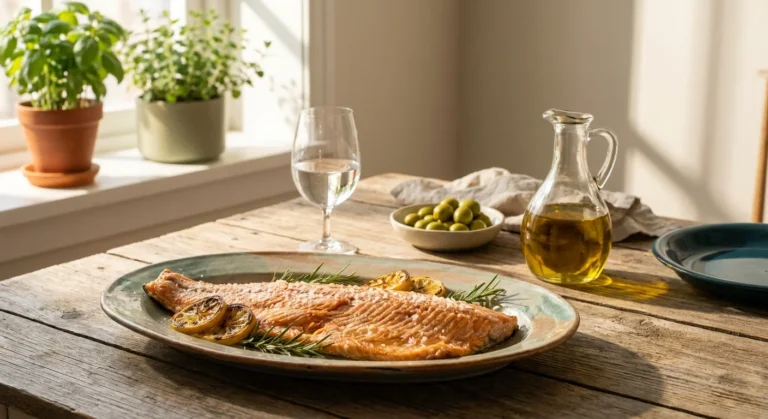
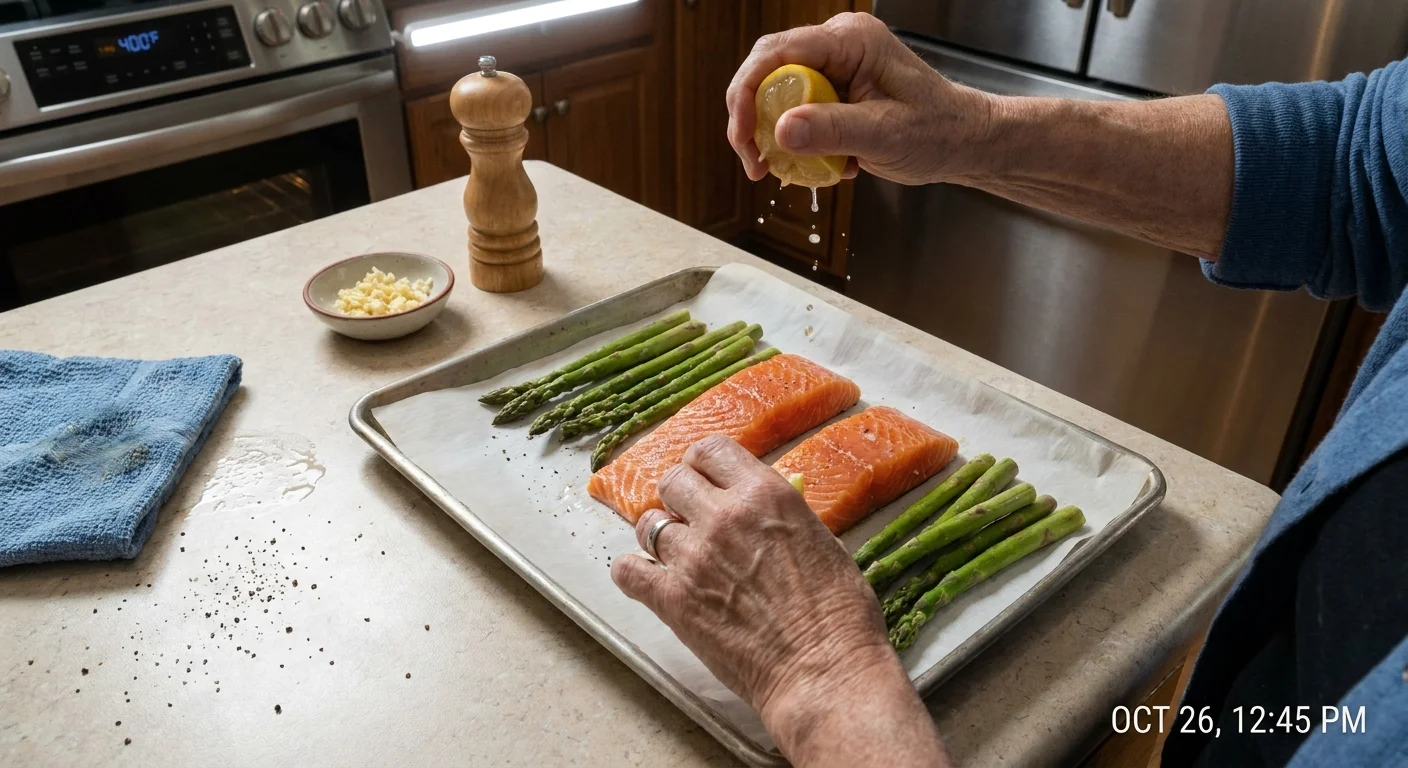
This effortless sheet pan meal provides a potent dose of brain-boosting omega-3 fatty acids and requires minimal cleanup. Preheat your oven to four hundred degrees Fahrenheit and line a baking sheet with parchment paper. Place two wild-caught salmon fillets in the center and arrange trimmed asparagus spears around the fish. Drizzle everything generously with extra virgin olive oil, the juice of half a lemon, minced garlic, and black pepper. Roast the combination for twelve to fifteen minutes until the salmon flakes easily. This dish delivers high-quality protein without forcing you to stand over a hot stove.
Hearty White Bean and Spinach Stew
When you want a comforting meal that is gentle on the digestive system, this simple stew acts as a nutritional powerhouse. In a medium pot, sauté a diced onion and two minced garlic cloves in olive oil until soft. Add two cans of rinsed cannellini beans, four cups of low-sodium vegetable broth, and a can of diced tomatoes. Bring the mixture to a gentle simmer for twenty minutes. Stir in three handfuls of fresh spinach just before serving, allowing the greens to wilt. The beans offer a soft texture and a boost of soluble fiber.
Greek Yogurt Parfait with Walnuts and Berries
Breakfast becomes a joy with this calcium-rich parfait that protects your bone density while satisfying a sweet tooth. Scoop one cup of plain, full-fat Greek yogurt into a bowl; the higher fat content helps your body absorb vitamins. Layer the yogurt with half a cup of wild blueberries, which are dense with anthocyanin antioxidants. Sprinkle a handful of crushed walnuts over the top to introduce healthy fats. A light drizzle of raw honey ties the flavors together. This meal supports recommendations for preserving bone density by delivering highly bioavailable calcium.
Olive Oil Mashed Sweet Potatoes with Grilled Chicken
Chewing difficulties can make standard meals frustrating, but this naturally soft combination provides necessary macronutrients with zero struggle. Peel and cube two large sweet potatoes, boiling them until tender. Instead of mashing them with butter, use a quarter cup of robust extra virgin olive oil, a splash of warm chicken broth, and a touch of rosemary. The olive oil lends a luxurious texture while providing heart-healthy fats. Serve these brilliant orange potatoes alongside thinly sliced, tender grilled chicken breast marinated in lemon juice to ensure you reach your daily protein targets.
Quick Mediterranean Tuna and Chickpea Salad
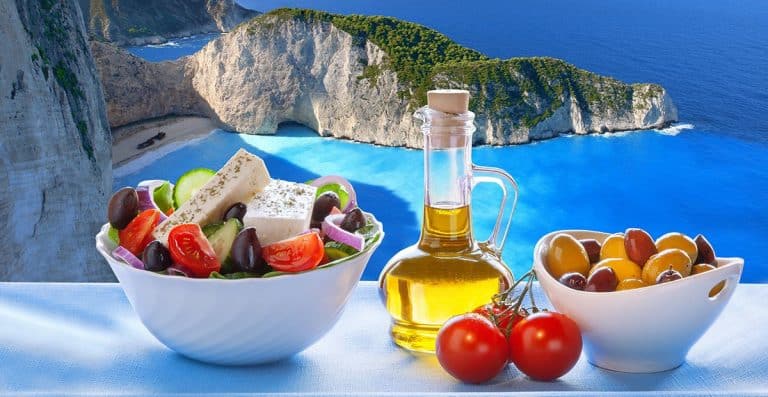
When you lack the energy to cook, assembling raw ingredients becomes a lifesaver. This no-cook salad comes together in five minutes and heavily relies on the nutritional profiles of everyday ingredients from your pantry. Flake one can of water-packed tuna and combine it with a can of rinsed chickpeas, half a cup of halved cherry tomatoes, and a quarter cup of chopped Kalamata olives. Dress the mixture with two tablespoons of olive oil, a splash of red wine vinegar, and fresh lemon juice. The chickpeas provide outstanding dietary fiber.
Baked Cod with Cherry Tomatoes and Olives
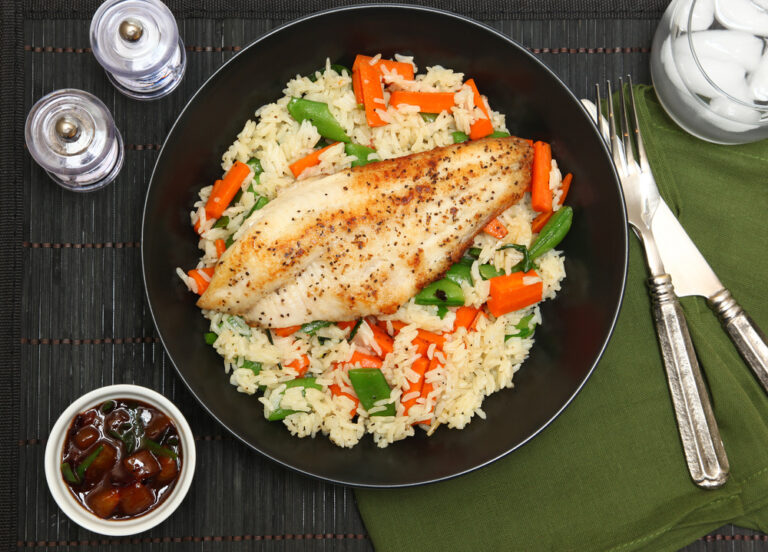
White fish serves as a mild, approachable entry point into the Mediterranean diet. Cod is remarkably tender and requires very little effort to chew and digest. Arrange cod fillets in a baking dish and surround them with a pint of whole cherry tomatoes, a handful of pitted green olives, and sliced red onions. Pour olive oil over the dish and sprinkle it with thyme and a touch of paprika. Bake at three hundred and seventy-five degrees Fahrenheit for twenty minutes. The roasted tomatoes naturally burst, creating a sweet sauce that complements the flaky fish.
Mediterranean Quinoa Bowl with Feta and Cucumbers
Quinoa serves as a remarkable pseudo-grain because it contains all nine essential amino acids. Cook one cup of quinoa according to package instructions and let it cool slightly. Toss the warm quinoa with diced English cucumbers, chopped red bell peppers, and a generous crumbling of authentic sheep’s milk feta cheese. The feta provides a sharp, salty bite that reduces the need for added table salt. Toss the ingredients with a simple lemon vinaigrette. This dish stays fresh in the refrigerator for days, allowing you to enjoy nutrient-dense lunches effortlessly.
Practical Planning for Senior Lifestyles
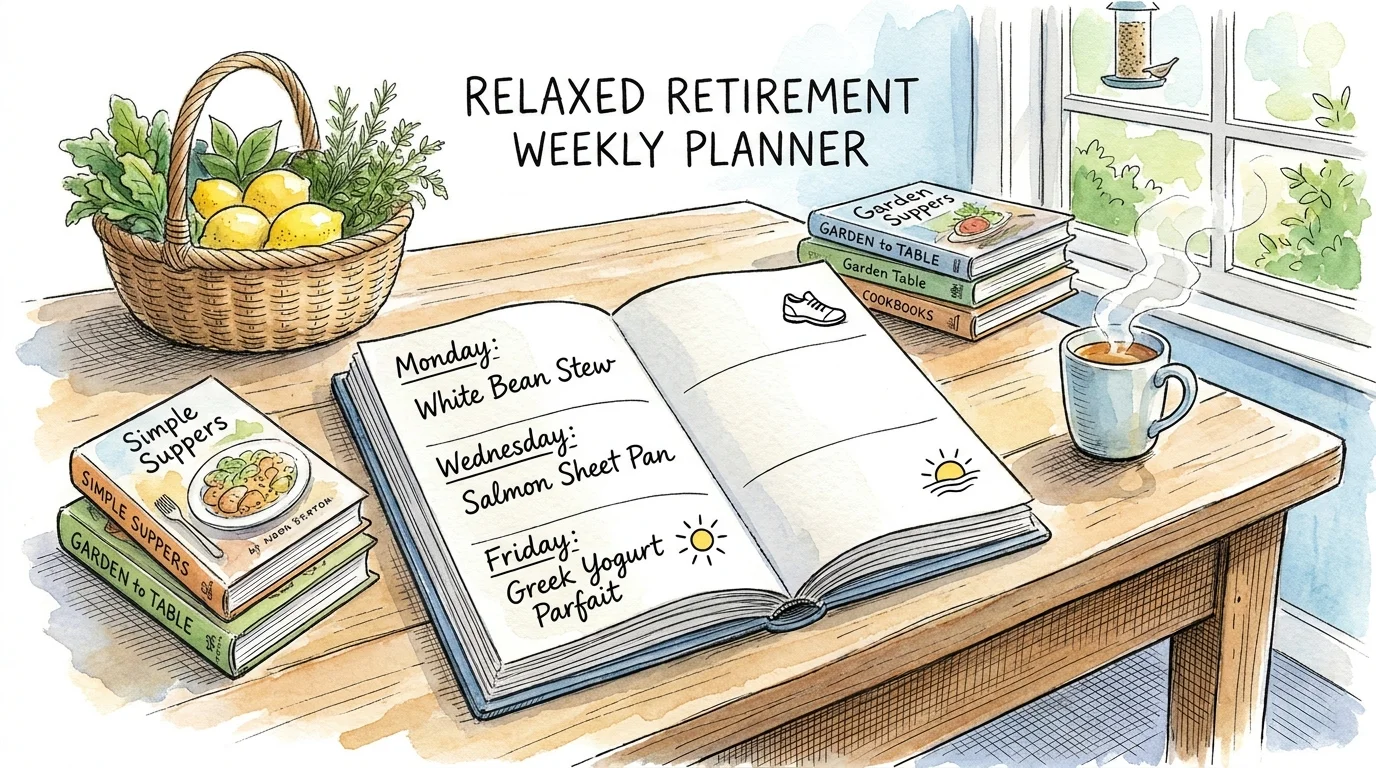
Implementing these meals requires a thoughtful approach to grocery shopping and daily routine management. Start by filling your pantry with long-lasting staples like canned legumes, whole grains, tinned fish, and quality olive oil. Relying on frozen vegetables is a brilliant, cost-effective strategy; frozen produce is flash-frozen at peak ripeness, preserving vitamins while preventing spoilage. Pre-washed greens also significantly reduce physical prep time on days when fatigue flares up. Meal timing plays an equally vital role in digestive comfort. As your gastric emptying rate slows with age, eating three massive meals may leave you feeling bloated. Instead, space your nutritional intake into four or five smaller eating windows. Sit down at a proper table, chew thoroughly, and eliminate distractions to engage your digestive enzymes fully. Furthermore, embrace planned leftovers; double your portion sizes when roasting vegetables so tomorrow’s meal requires nothing more than an easy reheating process.

Personalization for Your Unique Needs
The beauty of the Mediterranean dietary pattern lies in its profound flexibility, allowing you to tailor every meal to your specific health conditions and budget constraints. If your physician has placed you on a strict sodium restriction, effortlessly swap out traditional table salt for fresh herbs, garlic, citrus zest, and robust spices like smoked paprika. For individuals managing blood sugar fluctuations, decrease the portion of starchy carbohydrates and double the amount of fibrous non-starchy vegetables like zucchini and spinach. If you live on a fixed retirement income, rely heavily on dried lentils, split peas, and canned mackerel, which offer phenomenal nutritional value for pennies on the dollar. You can easily apply this framework to traditional Asian, Latin American, or African cuisines by using region-specific vegetables and spices while maintaining the core philosophy of prioritizing plants and healthy fats.
Frequently Asked Questions
Do I need supplements if I follow this dietary pattern?
While a well-planned Mediterranean diet provides a vast spectrum of essential vitamins, your body’s ability to absorb certain nutrients naturally diminishes with age. Your skin becomes less efficient at synthesizing vitamin D, and your stomach produces less acid, which can impair the absorption of vitamin B12. Work alongside your healthcare provider to test your blood levels annually. They may recommend specific targeted supplements to bridge the exact nutritional gaps that food alone cannot close.
How can I manage sweet cravings without heavily processed desserts?
Cravings for sweets are entirely natural. The Mediterranean approach embraces natural sweetness combined with fiber and healthy fats to prevent dramatic blood sugar spikes. When a craving hits, try baking a halved apple or pear with a sprinkle of cinnamon and a small pat of butter. You can also enjoy a square of dark chocolate, which delivers satisfying richness alongside beneficial polyphenols. By pairing sweet flavors with fibrous fruits, you satisfy your palate while supporting metabolic health.
Should I track my macronutrients or calories strictly at this age?
For the vast majority of older adults, obsessive calorie counting creates unnecessary stress and deters from the joy of eating. The Mediterranean diet thrives on intuitive balance rather than rigid arithmetic. Instead of measuring every gram of food, focus on the visual composition of your plate. Aim to fill half your plate with colorful vegetables, a quarter with a high-quality protein source, and the remaining quarter with complex carbohydrates. Your body will largely self-regulate its caloric intake, aligning with cardiovascular health resources.
How do I align these meals with family members who prefer a traditional Western diet?
Sharing meals with family members who do not prioritize nutrition can feel challenging, but peaceful integration is possible. Treat the Mediterranean components as the foundational base of the meal and allow others to add their preferred elements. If you prepare the white bean stew, enjoy it exactly as it is, while a family member might serve it alongside traditional crusty bread or grilled sausage. Focus on addition rather than restriction; by introducing more roasted vegetables and lean proteins, you naturally elevate everyone’s nutrition.
Nourishing Your Body for the Years Ahead
Embracing this wholesome approach to eating empowers you to take active control of your longevity, daily energy, and overall wellbeing. You do not have to overhaul your entire kitchen to experience the benefits of this dietary pattern. Look over the seven recipes provided and choose just one that sparks your appetite. Gather your ingredients, prepare the meal with intention, and notice how your body feels after consuming food designed to nourish your cells deeply. This single step sets a powerful precedent for your continued vitality.