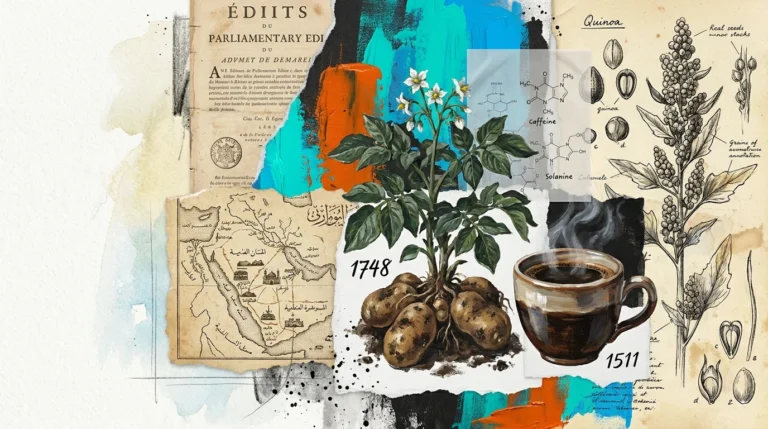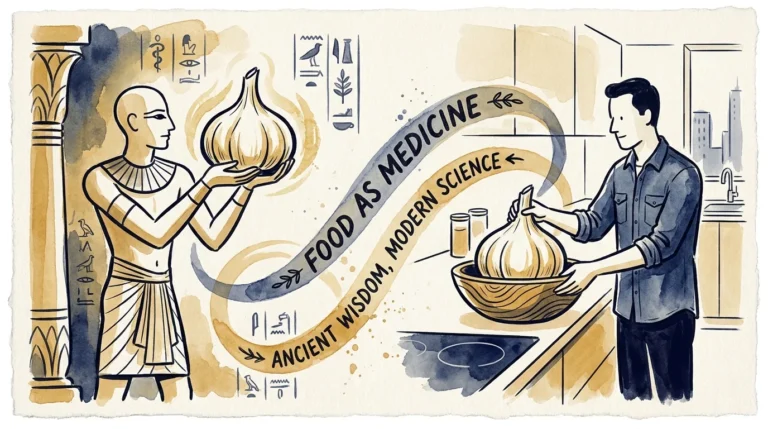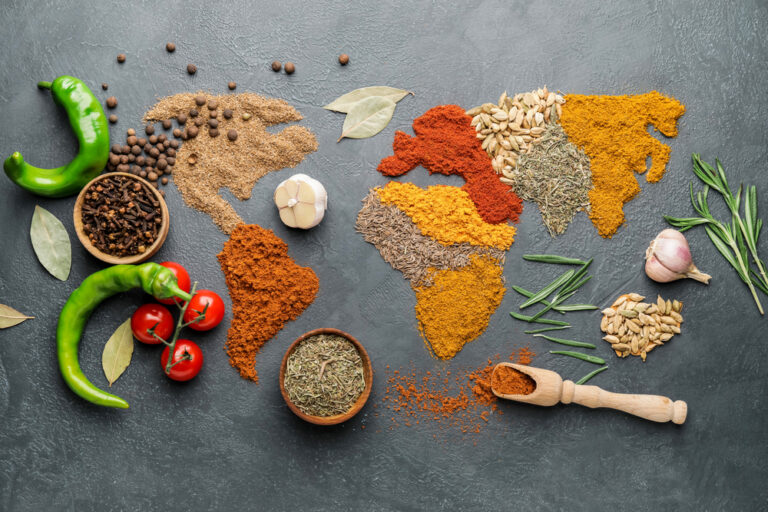


Modern medicine provides sophisticated treatments for complex ailments, but your pantry holds therapeutic secrets spanning thousands of years of human history. Exploring the medicinal origins of common groceries empowers you to maximize their nutritional benefits in your daily meals. Ancient healers and early physicians did not rely on pharmacies; they prescribed specific foods to cure digestive distress, fight infections, and restore vitality. From the pungent garlic cloves used by Egyptian pyramid builders to the fermented cabbage that saved sailors from scurvy, culinary staples served as the world’s first life-saving drugs. Understanding these historical applications helps you craft a resilient, health-promoting diet using accessible ingredients found in any local supermarket.
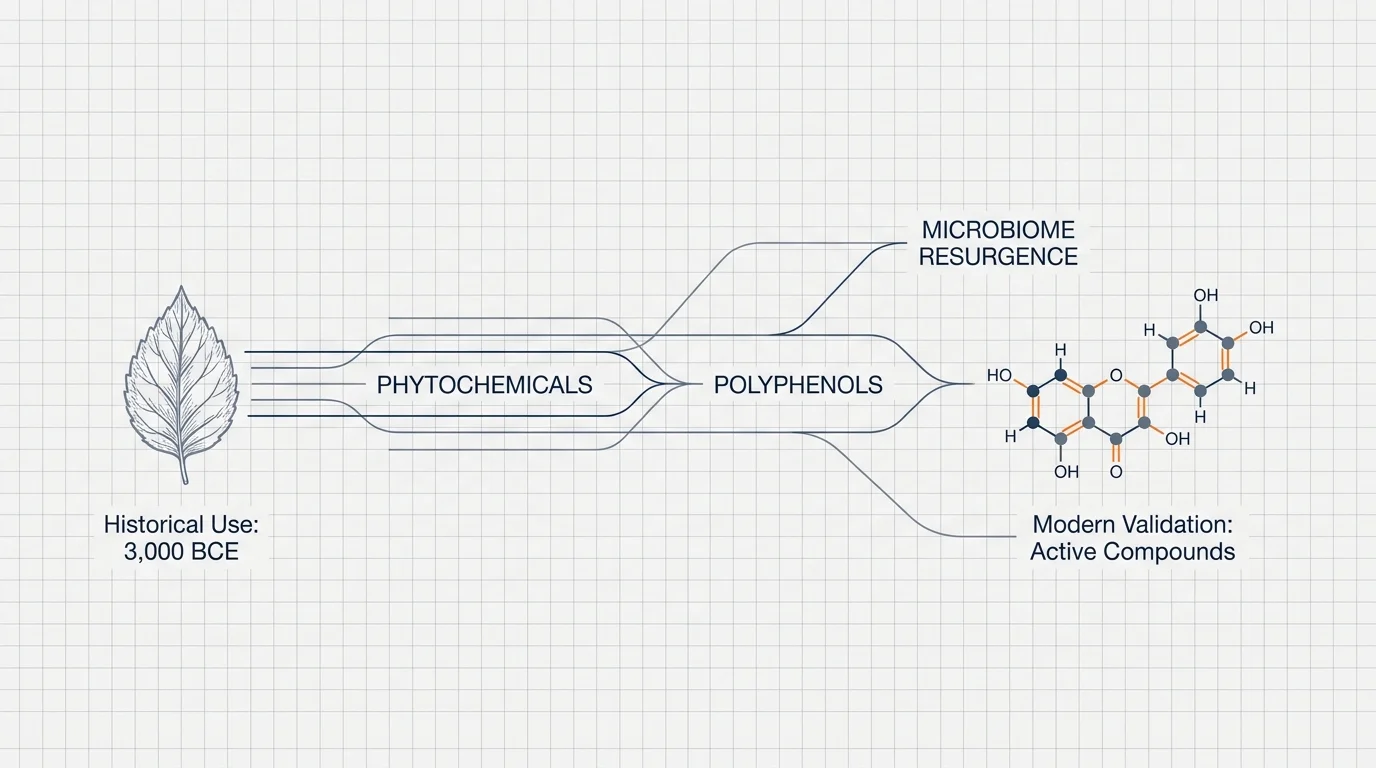
Science Snapshot: Validating Ancient Apothecaries
Long before molecular biology allowed researchers to isolate specific vitamins and antioxidants, early medical practitioners relied on empirical observation. They watched how patients reacted to specific plants, roots, and animal products, slowly building a comprehensive understanding of dietary therapy. Today, sophisticated laboratory analyses continuously validate the wisdom of these early healers. Modern clinical research identifies the exact phytochemicals, polyphenols, and active compounds that give these ancient remedies their therapeutic power.
The transition from using food as a primary medical intervention to viewing it merely as caloric fuel happened relatively recently in human history. As pharmaceutical development accelerated in the twentieth century, culinary traditions lost their medicinal context. However, current research into the microbiome and cellular inflammation has sparked a major resurgence in utilizing food to prevent and manage chronic diseases. Reading through evaluations of historical dietary therapies reveals a striking alignment between ancient nutritional prescriptions and modern functional medicine.

The Nutrition Pillar: 9 Healing Foods in Your Pantry
You already possess many of the world’s most historically significant therapeutic foods. Reclaiming their health benefits requires understanding both how our ancestors used them and how modern science suggests we prepare them.
Garlic
Ancient Egyptian medical texts prescribed garlic for circulatory ailments, while early Olympic athletes in Greece consumed raw cloves to enhance their physical endurance. For centuries, traditional healers applied crushed garlic directly to wounds to prevent infection during wartime. Modern science points to allicin—a potent sulfur compound—as the source of garlic’s remarkable properties. Clinical studies confirm that regular consumption of allicin helps relax blood vessels, naturally supporting healthy blood pressure levels and bolstering immune function.
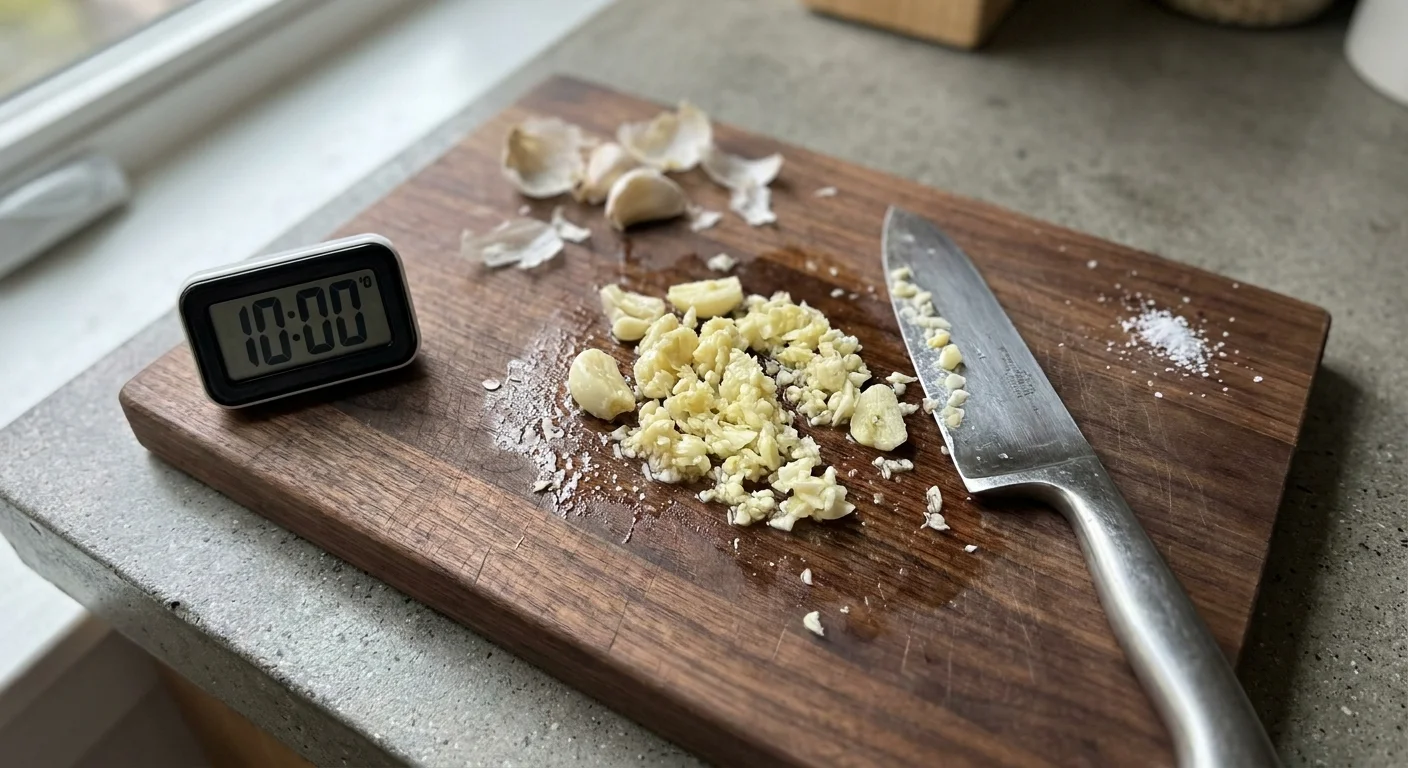
Actionable Insight: To maximize the allicin content in your meals, crush or chop your garlic and let it sit on the cutting board for ten full minutes before exposing it to heat. This brief resting period allows the necessary enzymes to activate, preserving the cardiovascular benefits even after cooking.

Ginger
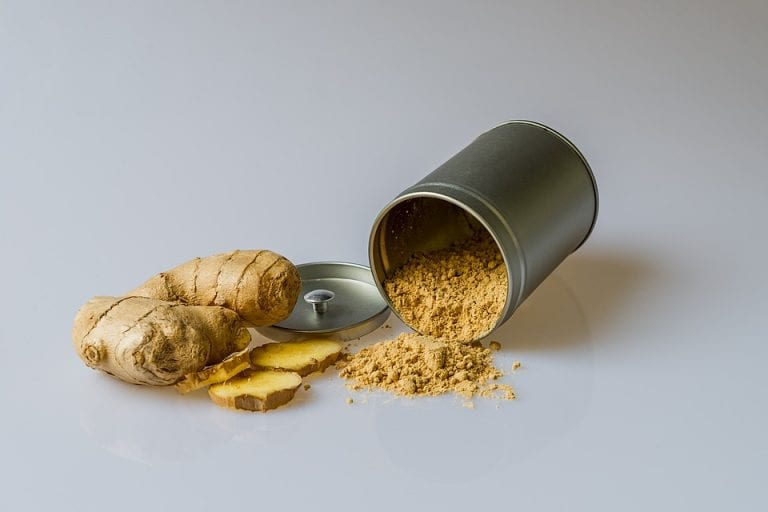
Ancient Chinese and Ayurvedic medical systems revered ginger root as a warming remedy designed to calm severe digestive upset and relieve joint pain. Sailors undertaking long, treacherous ocean voyages relied on ginger to combat severe seasickness. Today, gastroenterologists understand that active compounds called gingerols accelerate gastric emptying, moving food from the stomach to the small intestine more efficiently. This mechanism explains why health authorities consistently feature ginger in their clinical guidelines for nausea management.
Actionable Insight: Steep freshly grated ginger root in hot water for a soothing digestive tea, or incorporate minced ginger into your post-workout smoothies to help mitigate delayed-onset muscle soreness.
Honey
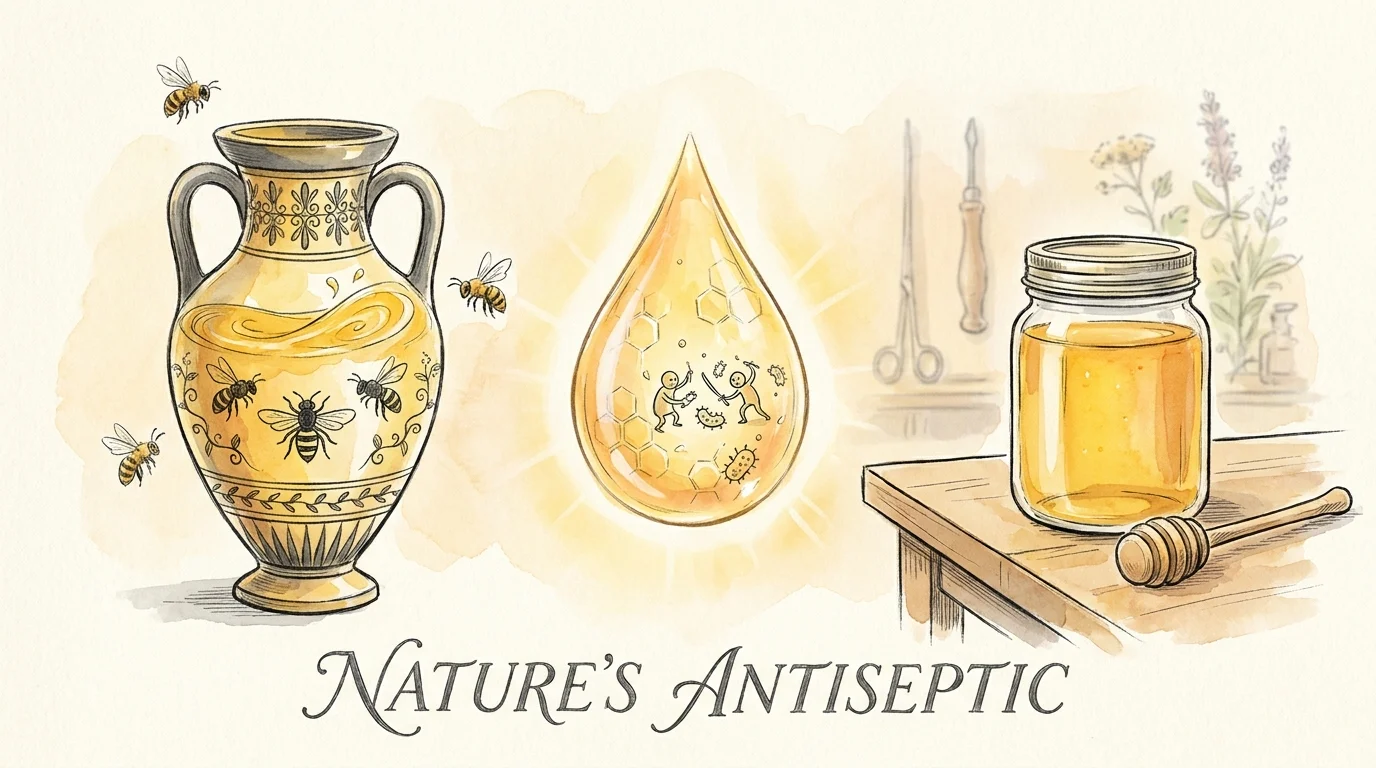
Before the discovery of antibiotics, ancient Greek and Egyptian physicians utilized raw honey as a primary topical dressing for severe burns and deep lacerations. The natural viscosity creates a protective barrier, while the low pH and trace amounts of naturally occurring hydrogen peroxide actively inhibit bacterial growth. Taken internally, early societies utilized honey to soothe raw throats and quiet persistent coughs. Modern pediatricians frequently recommend dark honey over over-the-counter cough syrups for young patients, a practice supported by global pediatric health recommendations.
Actionable Insight: Select raw, unpasteurized honey whenever possible to retain the naturally occurring enzymes. Consume a single spoonful before bed to quiet a dry cough and support restful sleep.
Cabbage and Sauerkraut
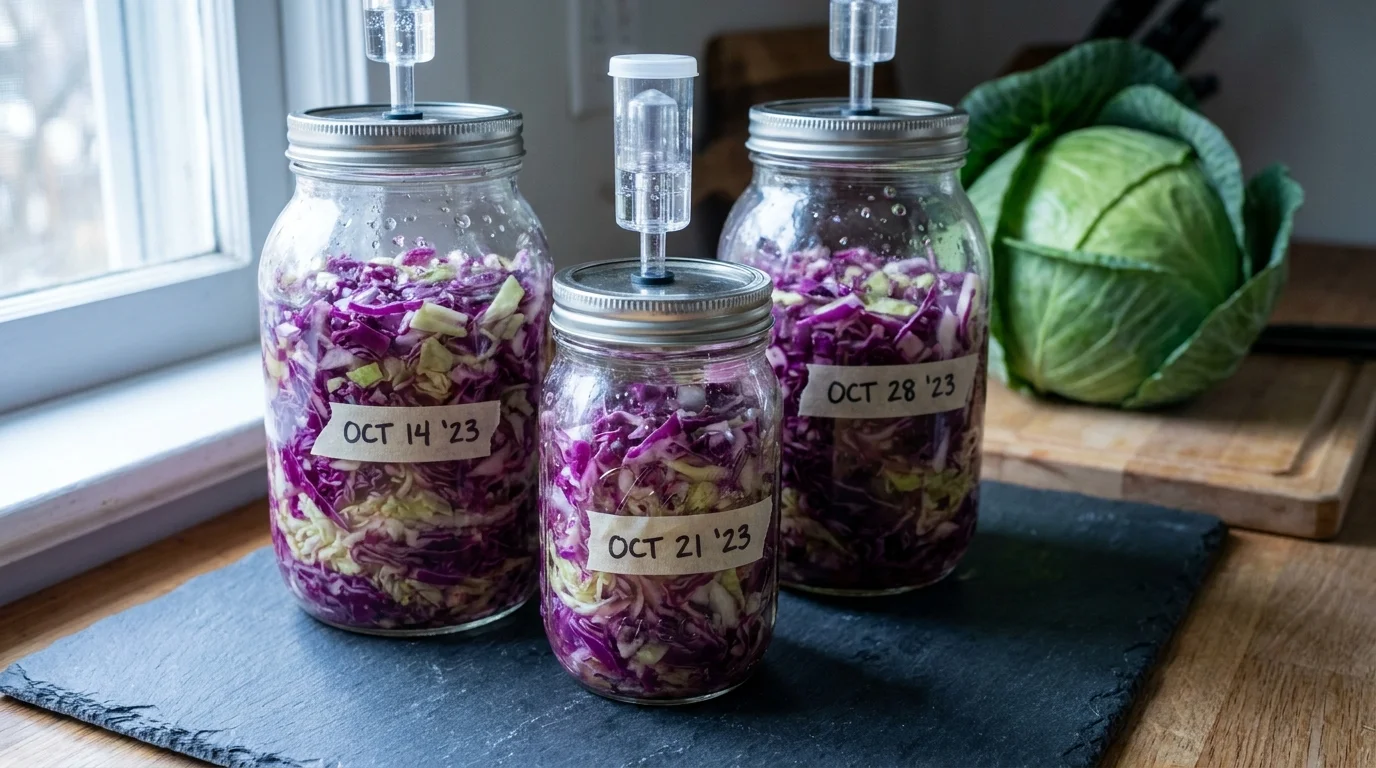
Roman physicians considered cabbage a virtual panacea, prescribing it to treat gout, headaches, and digestive ulcers. Centuries later, sea captains brought barrels of fermented cabbage (sauerkraut) on long voyages because they recognized it prevented the fatal symptoms of scurvy. Modern nutritional science reveals that cabbage provides exceptionally high levels of L-glutamine, an amino acid crucial for repairing the intestinal lining. When fermented, it becomes a potent probiotic source that populates the gut with beneficial bacteria.
Actionable Insight: Add a forkful of raw, unpasteurized sauerkraut to your daily salads or grain bowls. Heating sauerkraut destroys the beneficial probiotic cultures, so always serve it cold or at room temperature.
Oats
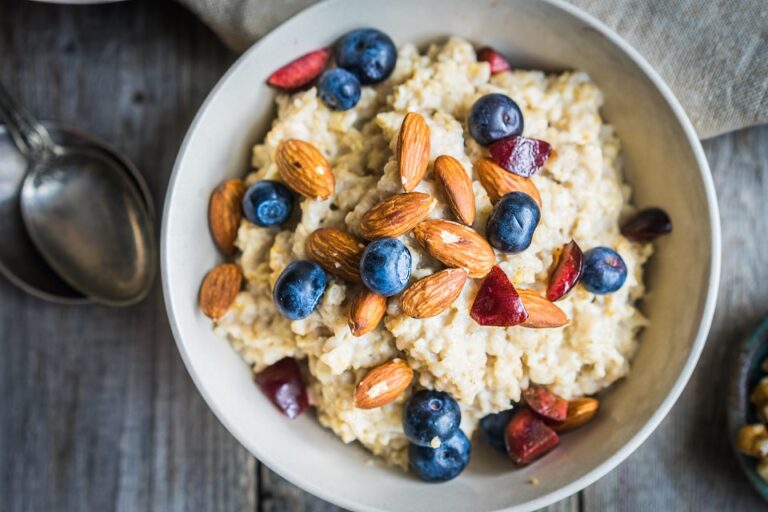
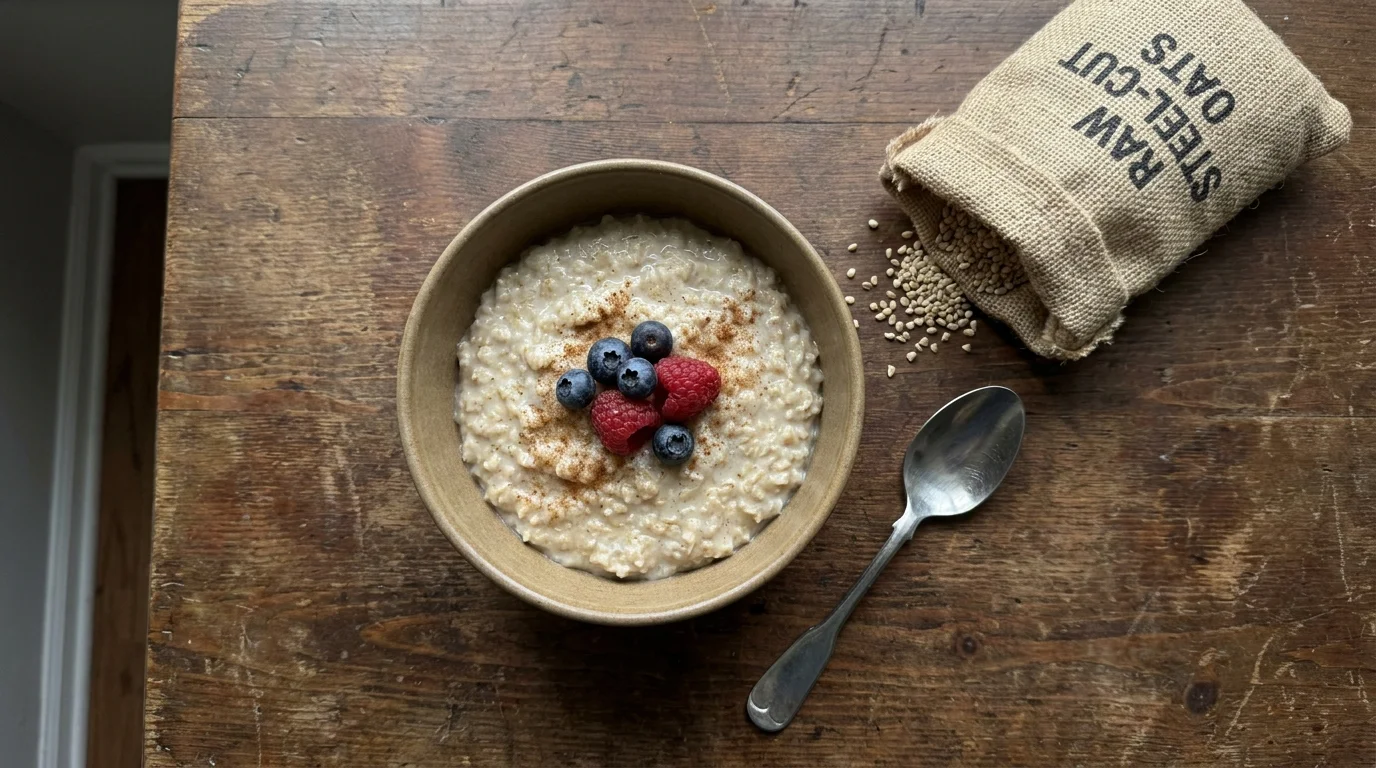
Historically, healers ground oats into fine powders to create soothing baths for inflammatory skin conditions like eczema and poison ivy rashes. Internally, traditional medicine utilized oat gruel to stabilize digestion and restore strength to individuals recovering from prolonged illnesses. Contemporary cardiologists focus on a specific type of soluble fiber found in oats called beta-glucan. This fiber binds to cholesterol in the digestive tract, preventing its absorption into the bloodstream. Because of this powerful mechanism, oats frequently headline modern interventions for cardiovascular risk.
Actionable Insight: Choose steel-cut or rolled oats over highly processed instant varieties. The less processed the oat, the more effectively it stabilizes your blood sugar and provides sustained morning energy.

Turmeric
Ayurvedic medicine in India has utilized turmeric for over four thousand years to treat inflammatory conditions, respiratory distress, and internal injuries. The vibrant yellow root served as a cornerstone of eastern apothecary practices long before Western medicine discovered non-steroidal anti-inflammatory drugs. The therapeutic agent in turmeric is curcumin, a compound extensively studied for its ability to block inflammatory enzymes and pathways at the molecular level. You can find robust data on the clinical applications of curcumin demonstrating its efficacy in managing osteoarthritis and metabolic syndrome.
Actionable Insight: Curcumin suffers from poor bioavailability on its own. Always combine turmeric with a pinch of black pepper and a healthy fat—like olive oil or coconut milk—to increase your body’s absorption rate by up to two thousand percent.
Cranberries
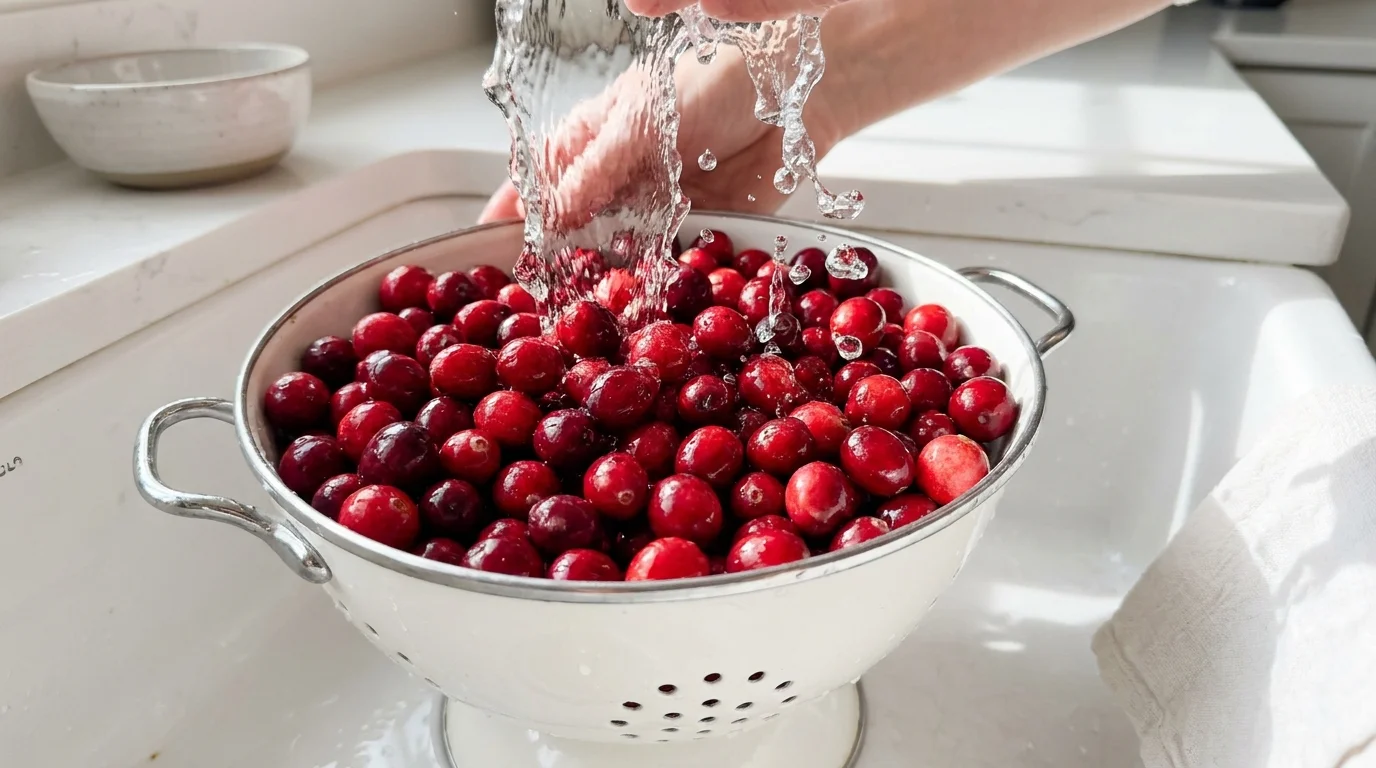
Native American tribes originally utilized crushed cranberries to draw poison from arrow wounds and brewed the tart berries into potent teas to treat severe bladder and kidney ailments. Early European settlers quickly adopted these practices after observing their efficacy. We now know that cranberries contain high concentrations of A-type proanthocyanidins. These unique antioxidants physically prevent harmful bacteria from adhering to the walls of the urinary tract, allowing the body to flush out pathogens before they cause painful infections.
Actionable Insight: Skip heavily sweetened commercial cranberry juices, which contain excess sugar that promotes inflammation. Instead, add whole frozen cranberries to your morning smoothies or purchase pure, unsweetened cranberry juice.
Bone Broth and Chicken Soup
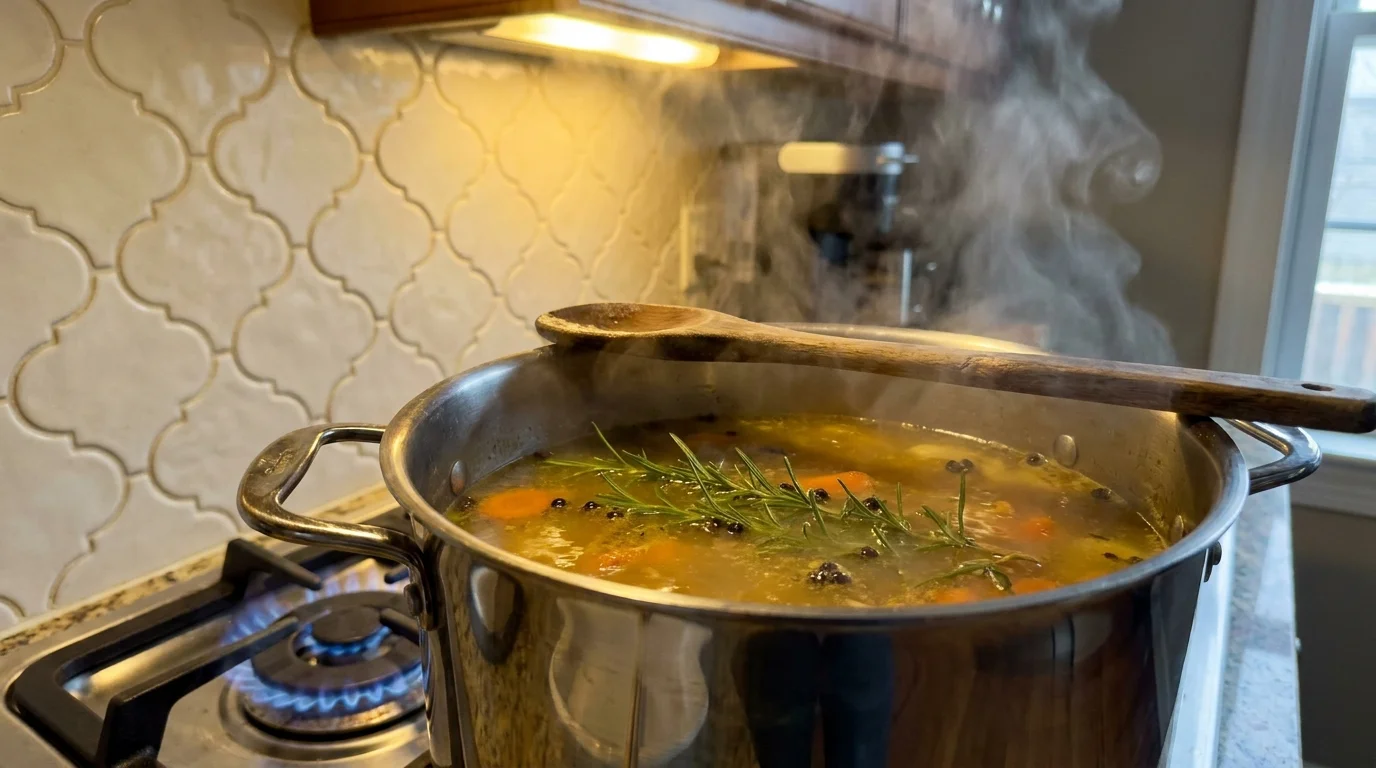
In the twelfth century, the renowned physician Moses Maimonides explicitly prescribed warm chicken soup as a medical treatment for asthma and upper respiratory tract infections. Across cultures, simmering animal bones, connective tissue, and root vegetables was the standard protocol for nursing the sick back to health. Modern laboratory tests confirm that traditional chicken soup inhibits the migration of neutrophils—the immune cells that trigger massive mucous production and nasal congestion during a cold. Furthermore, the slow simmering process extracts bioavailable collagen and essential amino acids.
Actionable Insight: Keep high-quality bone broth in your pantry for times when you feel a cold approaching. Sip it warm with a pinch of sea salt to stay hydrated and deliver immediate nourishment to your immune system.
Olive Oil
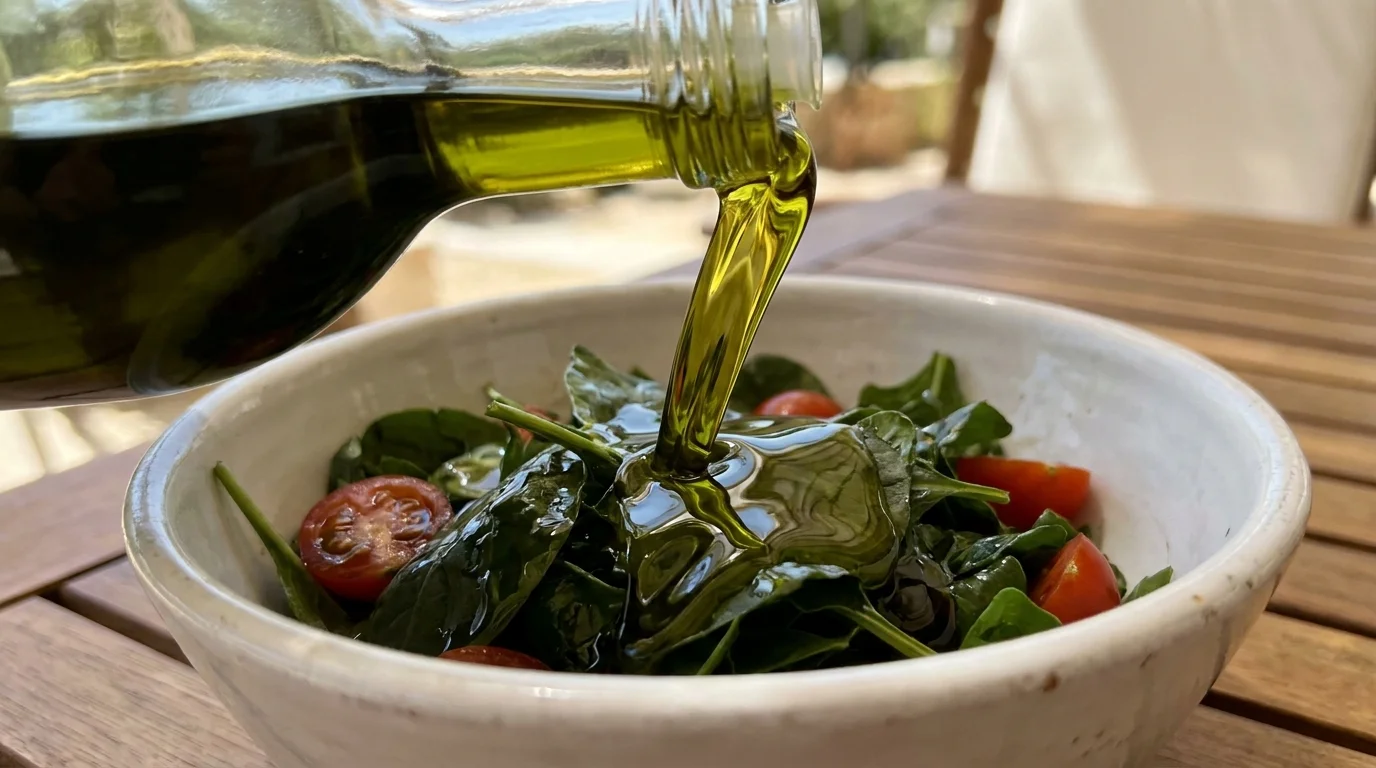
Hippocrates, the father of modern medicine, referred to olive oil as “the great healer” and documented over sixty different medical conditions treated by the golden liquid. Mediterranean societies utilized it topically for muscular aches and ingested it daily to promote longevity and vitality. Current biochemical research identifies oleocanthal, a phenolic compound found in extra virgin olive oil, which shares striking pharmacological similarities with modern ibuprofen. Regular consumption acts as a systemic anti-inflammatory agent, protecting the heart and cognitive function.
Actionable Insight: Heat degrades the delicate polyphenols in high-quality olive oil. Use your premium extra virgin olive oil exclusively as a finishing oil—drizzled over roasted vegetables or integrated into fresh salad dressings.
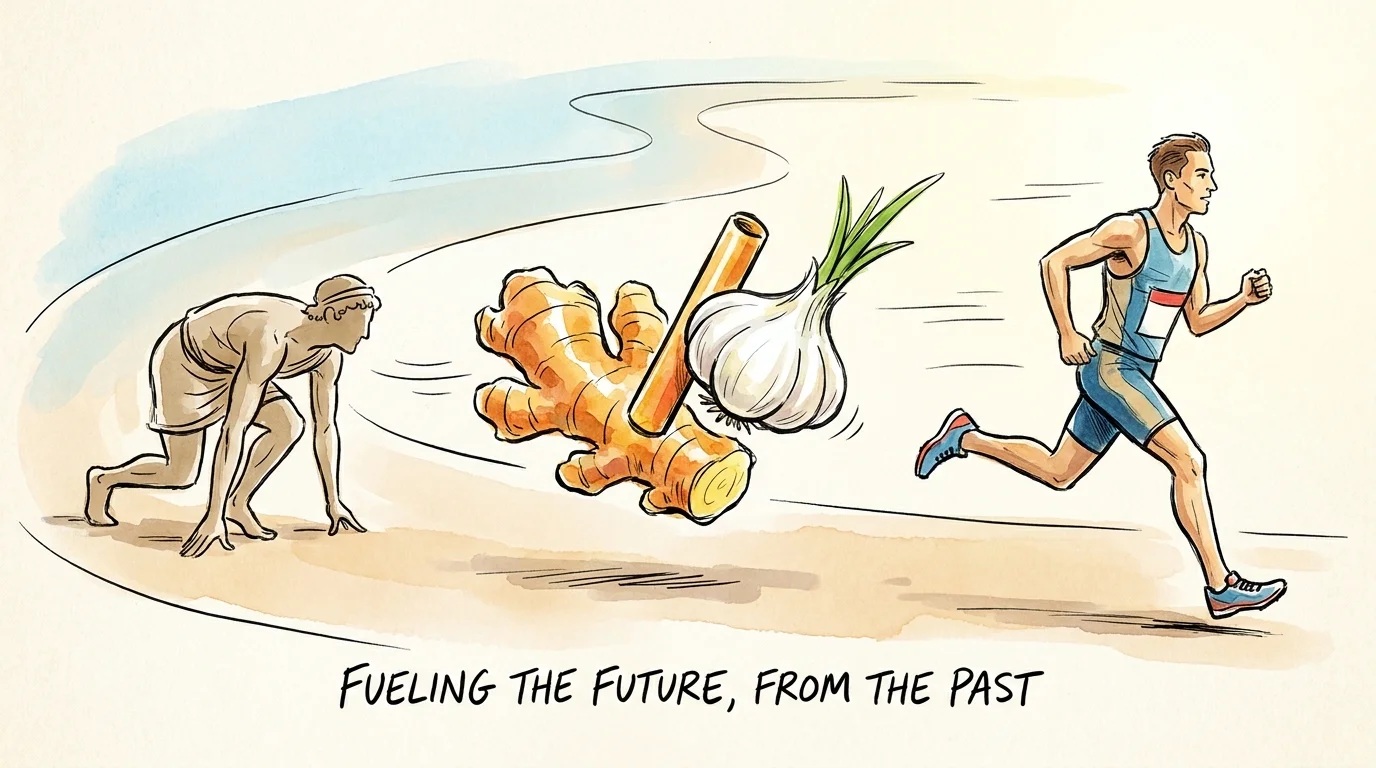
The Movement Pillar: Fueling Activity with Historical Remedies
Physical activity naturally produces acute inflammation and micro-tears in your muscle fibers. Rather than reaching for synthetic recovery supplements, you can leverage these historical foods to optimize your fitness routine. Consuming a bowl of steel-cut oats two hours prior to a demanding workout provides a steady, slow-releasing stream of glycogen to power your muscles without spiking your blood sugar. Following your exercise, integrating turmeric and ginger into your recovery meals actively manages exercise-induced inflammation.
By relying on whole-food remedies, you provide your body with a complex matrix of co-factors and nutrients that isolate supplements simply cannot replicate. The antioxidants in extra virgin olive oil and the amino acids in bone broth work synergistically to repair connective tissues and joints stressed by weightlifting or long-distance running. Treating your kitchen as an extension of your gym bag fundamentally enhances your physical resilience.
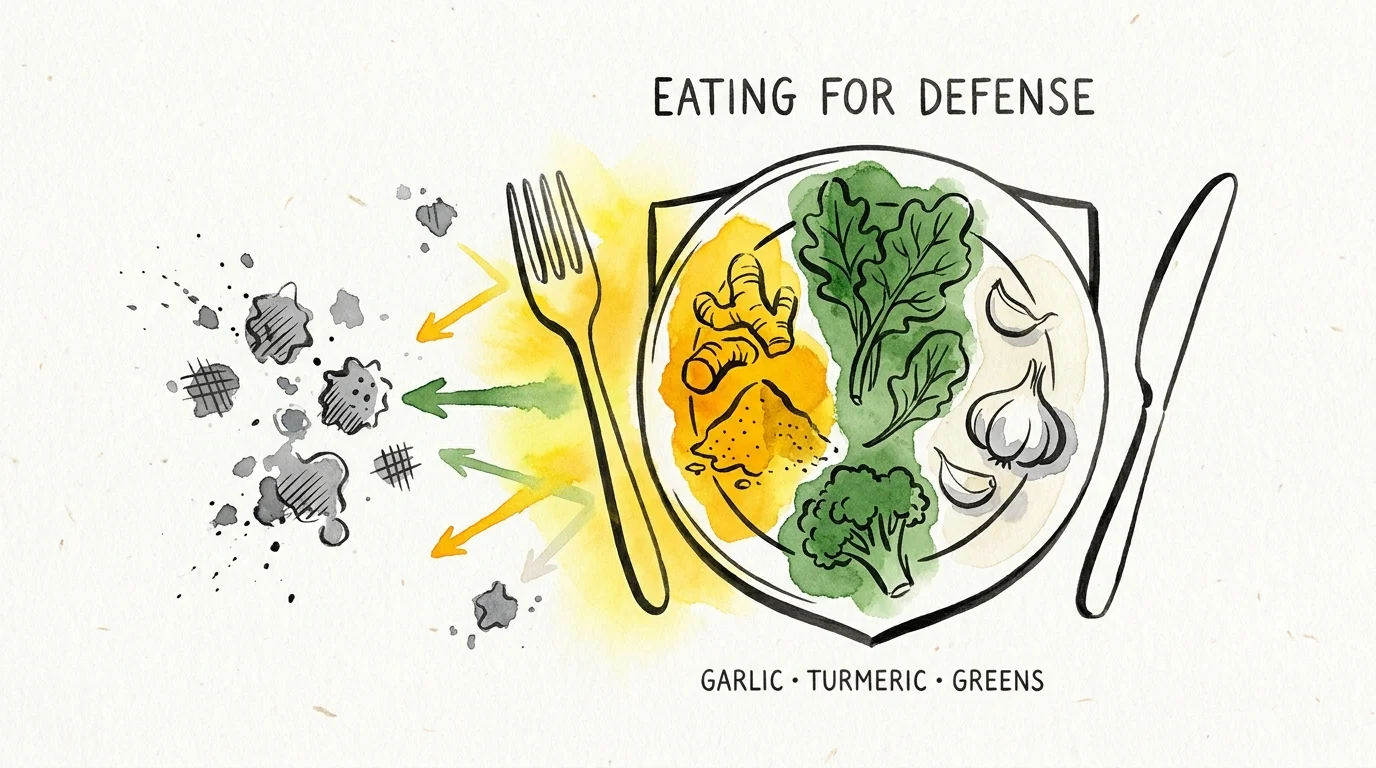
The Mindset Pillar: Viewing Meals as Preventive Care
Shifting your perspective from viewing food as mere calories to recognizing its historical medicinal value profoundly changes your relationship with eating. When you understand that adding raw garlic to a dressing actively supports your heart, or that eating sauerkraut fortifies your intestinal lining, meal preparation transforms from a tedious chore into an act of self-preservation. This proactive mindset eliminates the restrictive anxiety often associated with modern diet culture.
Instead of focusing entirely on subtracting harmful ingredients from your diet, you focus on adding therapeutic elements. Embracing food as preventive care empowers you to take ownership of your long-term health trajectory. You stop viewing healthy eating as a punishment and start recognizing it as the most accessible form of daily healthcare available to you.

The Lifestyle Pillar: Building Sustainable Habits
True wellness requires establishing consistent, sustainable habits rather than engaging in sporadic dietary purges. Integrating these ancient medicinal foods into your weekly routine should feel natural and enjoyable. You do not need to consume all nine foods every single day. Instead, rotate them through your seasonal meal planning to ensure a broad spectrum of protective phytochemicals. Pair these nutritional upgrades with adequate sleep and stress management techniques to create a holistic environment where your body can repair itself.
Always discuss significant dietary modifications with your primary care physician or a registered dietitian to ensure they align with your unique physiological needs, particularly if you currently manage chronic conditions or take prescription medications.

Real Voices: Perspectives from the Clinic
Healthcare providers constantly witness the tangible benefits of transitioning patients back to whole-food dietary patterns. Registered dietitians frequently observe that clients who purposefully integrate traditional medicinal foods report fewer digestive complaints, elevated baseline energy levels, and more robust immune responses during cold and flu season. The clinical shift moves away from managing symptoms after they occur toward preventing them through daily nutritional choices.
Many practitioners encourage patients to explore professional dietetic directories to find qualified experts who understand how to merge traditional culinary wisdom with evidence-based medical nutrition therapy. This collaborative approach yields highly personalized, culturally relevant dietary plans that patients can actually sustain over decades.
Frequently Asked Questions
Can I replace my prescription medications with these historical foods?
You should never discontinue or replace prescribed medical treatments without explicit authorization from your primary care physician. While these nine foods provide remarkable preventive benefits and can effectively manage mild symptoms, they do not act with the immediate, highly concentrated force of pharmaceutical interventions. View these foods as complementary therapies that support your body’s baseline resilience rather than emergency medical treatments.
Does cooking destroy the medicinal properties of these ingredients?
The impact of heat varies significantly depending on the specific food and its active compounds. Heating extra virgin olive oil degrades its delicate polyphenols, and boiling sauerkraut destroys beneficial probiotics. Conversely, cooking tomatoes actually increases the bioavailability of lycopene. As a general rule, gently warming foods like ginger and bone broth enhances their soothing properties, while applying high heat to raw garlic or raw honey diminishes their therapeutic value.
How quickly will I notice health improvements after adding these foods to my diet?
Dietary interventions operate on a long-term timeline rather than providing immediate fixes. While you might notice rapid relief from a ginger tea treating mild nausea, cardiovascular and inflammatory improvements require consistent consumption over several weeks or months. Building a healthy gut microbiome with fermented cabbage or reducing systemic inflammation with turmeric demands patience and daily repetition.
Are organic versions of these foods necessary to get the health benefits?
Both conventional and organic produce offer substantial health benefits that far outweigh the risks of avoiding these foods entirely. If your budget allows, purchasing organic versions of foods you consume daily can reduce your exposure to synthetic pesticides. However, conventional garlic, cabbage, and oats still deliver the exact same therapeutic phytochemicals and dietary fiber necessary to optimize your physical health.
A Manageable Next Step
Transforming your pantry into a personalized wellness toolkit does not require a total kitchen overhaul today. Choose just one food from this historical list to intentionally incorporate into your routine this week. Purchase a fresh knob of ginger to steep in your evening tea, or commit to chopping your garlic ten minutes before you heat up your skillet. By taking one small, deliberate action, you honor thousands of years of traditional healing wisdom while investing directly in your future vitality.