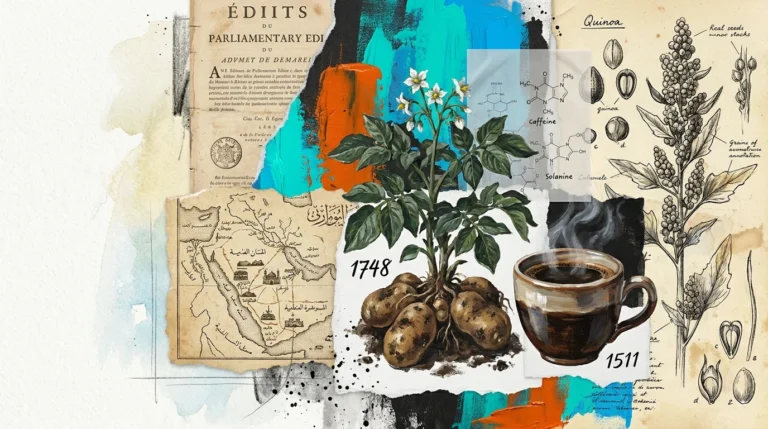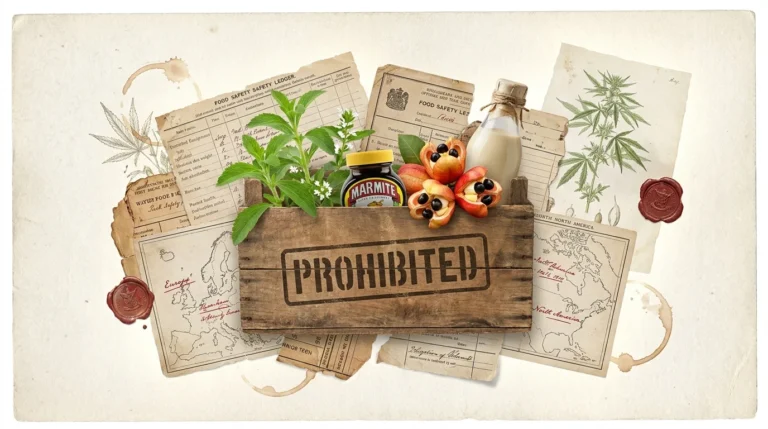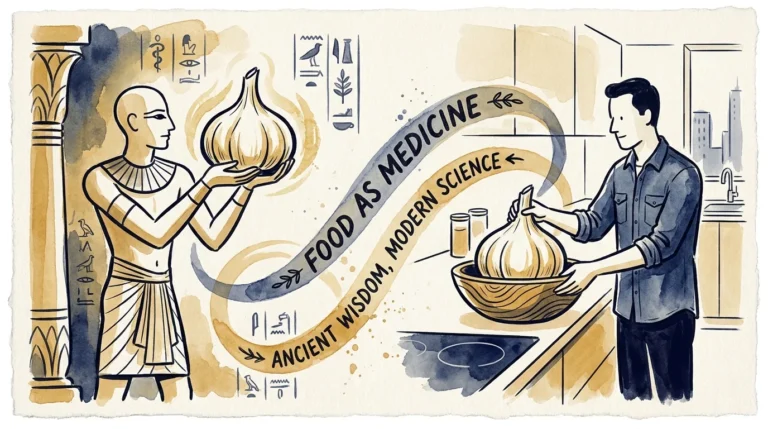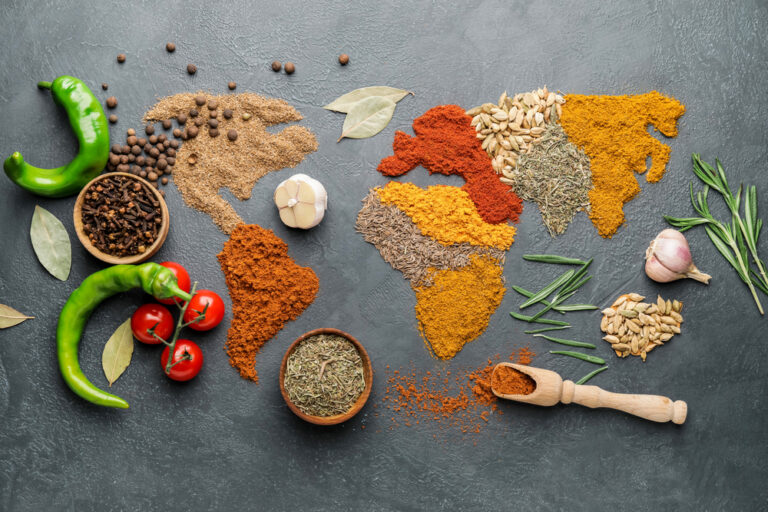

Discovering the bizarre history of global food bans empowers you to make smarter, science-based dietary choices today. While you navigate modern grocery aisles assessing nutrients, understanding why everyday items faced severe legal restrictions highlights the evolution of food safety. From historical laws protecting local dairy industries to modern European bans on synthetic additives, these regulatory shifts directly impact your health. By exploring seven controversial foods that frightened governments into action, you learn to separate legitimate clinical risks from outdated political fears. This knowledge transforms your approach to meal planning, helping you critically evaluate trendy wellness claims, decipher complex food labels, and confidently build a balanced plate without falling prey to unnecessary dietary anxieties.

The Science Snapshot: How Food Regulations Evolve
Before exploring specific ingredients, you must understand the mechanisms driving global food regulations. Food safety remains a highly dynamic field where researchers continuously run epidemiological studies to determine human health risks. Evaluating organizations operate with drastically different baseline philosophies. The United States frequently adopts a reactionary approach, allowing ingredients into the food supply until clinical evidence proves them harmful to human health. Conversely, the European Union largely operates under the precautionary principle, preemptively restricting novel chemical additives until manufacturers definitively prove their safety over the long term. These differing philosophies explain why your favorite brightly colored snack might sit on a shelf in New York but remain completely illegal in Paris. Whenever new data emerges highlighting a potential hazard, regulatory agencies must adapt swiftly. To understand global baseline standards, you can review the World Health Organization food safety guidelines. Recognizing how evidence shapes policy empowers you to view food bans not as fear-mongering tactics, but as necessary adaptations to our growing understanding of nutritional science.

7 Foods That Were Once Banned In Some Countries
1. Stevia: From Contraband to Zero-Calorie Staple
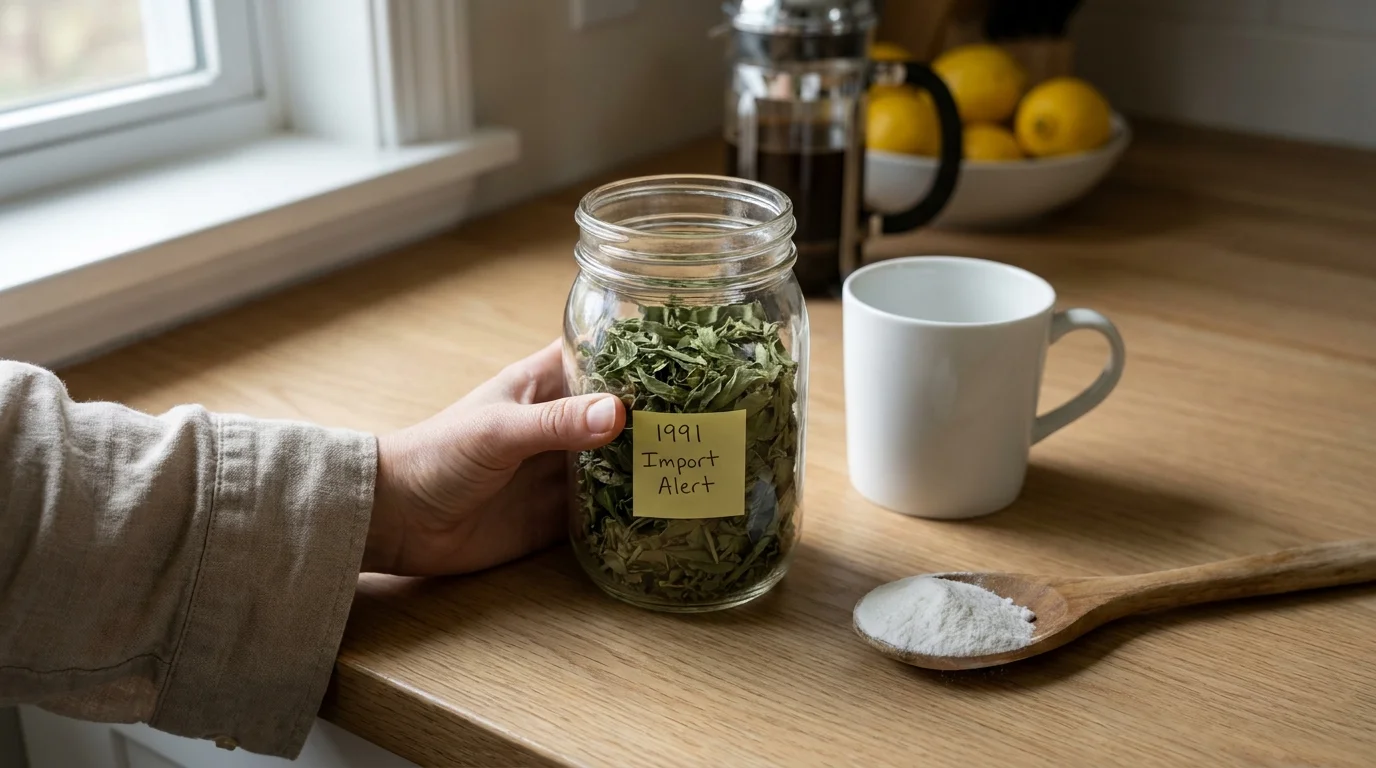
You likely have stevia packets sitting in your kitchen right now, yet this widely accepted zero-calorie sweetener spent the 1990s on the United States prohibited list. The Food and Drug Administration issued a strict import alert on stevia leaves in 1991, categorizing them as an unsafe food additive due to preliminary, poorly designed studies suggesting potential toxicity. It took nearly two decades of rigorous clinical trials before regulatory bodies reversed their stance. Today, stevia holds Generally Recognized as Safe status globally. You can leverage stevia to manage your blood glucose levels while satisfying sweet cravings. Swapping refined sugars for this plant-derived alternative supports your metabolic health. This botanical turnaround perfectly illustrates how ongoing nutritional research actively reshapes our dietary landscape.

2. Raw Milk: The Ongoing Pasteurization Debate
Public health agencies across Canada, Scotland, and many United States jurisdictions strictly prohibit the sale of unpasteurized milk for human consumption. Before modern sanitation protocols, raw milk acted as a massive vector for life-threatening pathogens; even today, it remains highly susceptible to contamination. Although some alternative wellness communities champion raw milk for purported probiotic benefits, clinical evidence overwhelmingly supports pasteurization. The Centers for Disease Control and Prevention strongly emphasizes that heating milk destroys dangerous bacteria without significantly degrading the calcium profile you need for bone health. Dietitians strongly recommend sticking to pasteurized dairy products to safeguard your gastrointestinal system. When you choose pasteurized options, you secure high-quality nutrition while mitigating unnecessary risks of severe foodborne illness.
3. Marmite and Fortified Foods: The Danish Vitamin Crackdown
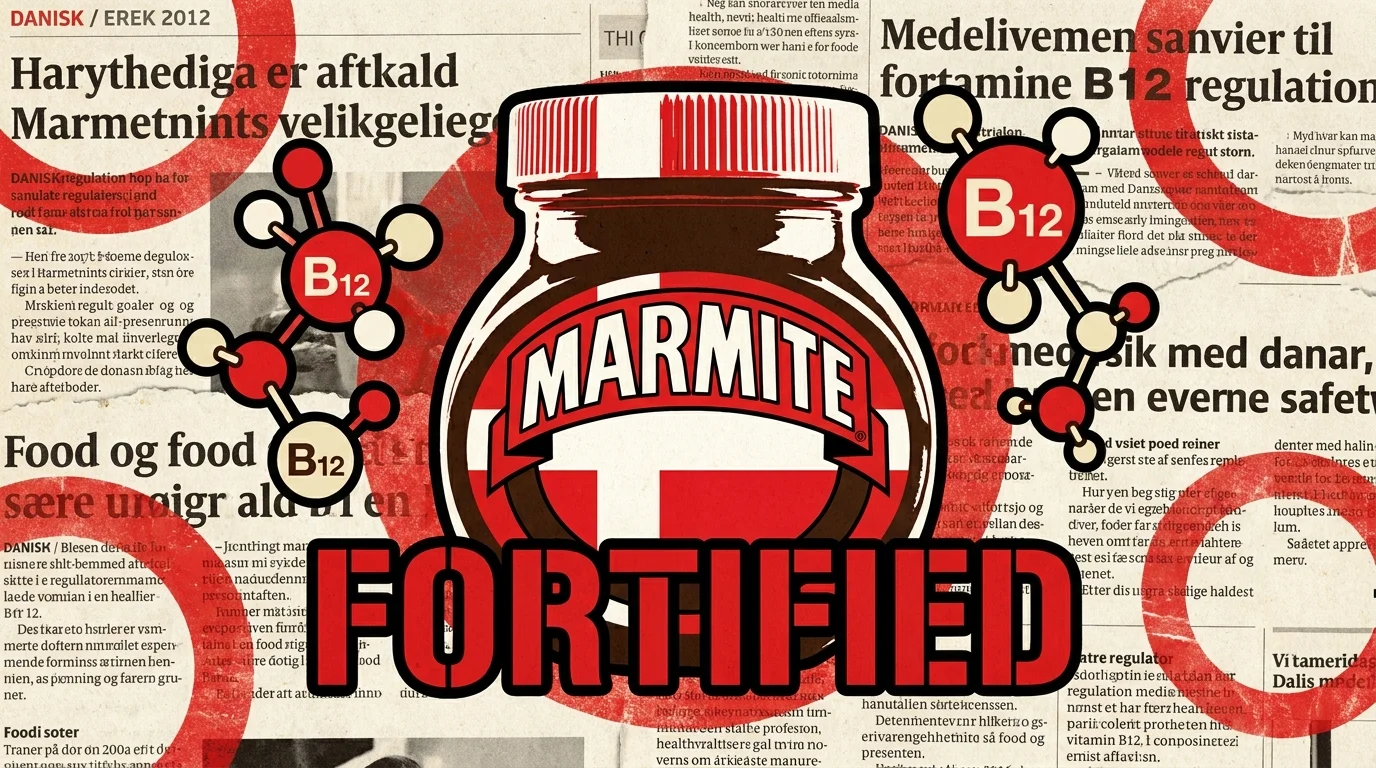
If you tried to buy a jar of Marmite in Denmark in 2004, you would have left the supermarket empty-handed. Danish food safety authorities temporarily banned the beloved British yeast extract under strict legislation governing food fortification. Denmark actively restricts products containing added vitamins to prevent consumers from accidentally exceeding safe micronutrient thresholds. While North American public health strategies actively promote fortifying cereals to prevent widespread deficiencies, many European nations prefer citizens obtain nutrients exclusively from whole foods. Marmite delivers an incredible dose of B vitamins—particularly Vitamin B12, which supports healthy nerve function. You can safely incorporate fortified foods into your routine, provided you monitor your overall intake and avoid excessive reliance on heavily processed fortified snacks.
4. Hemp Seeds: Overcoming Botanical Misconceptions
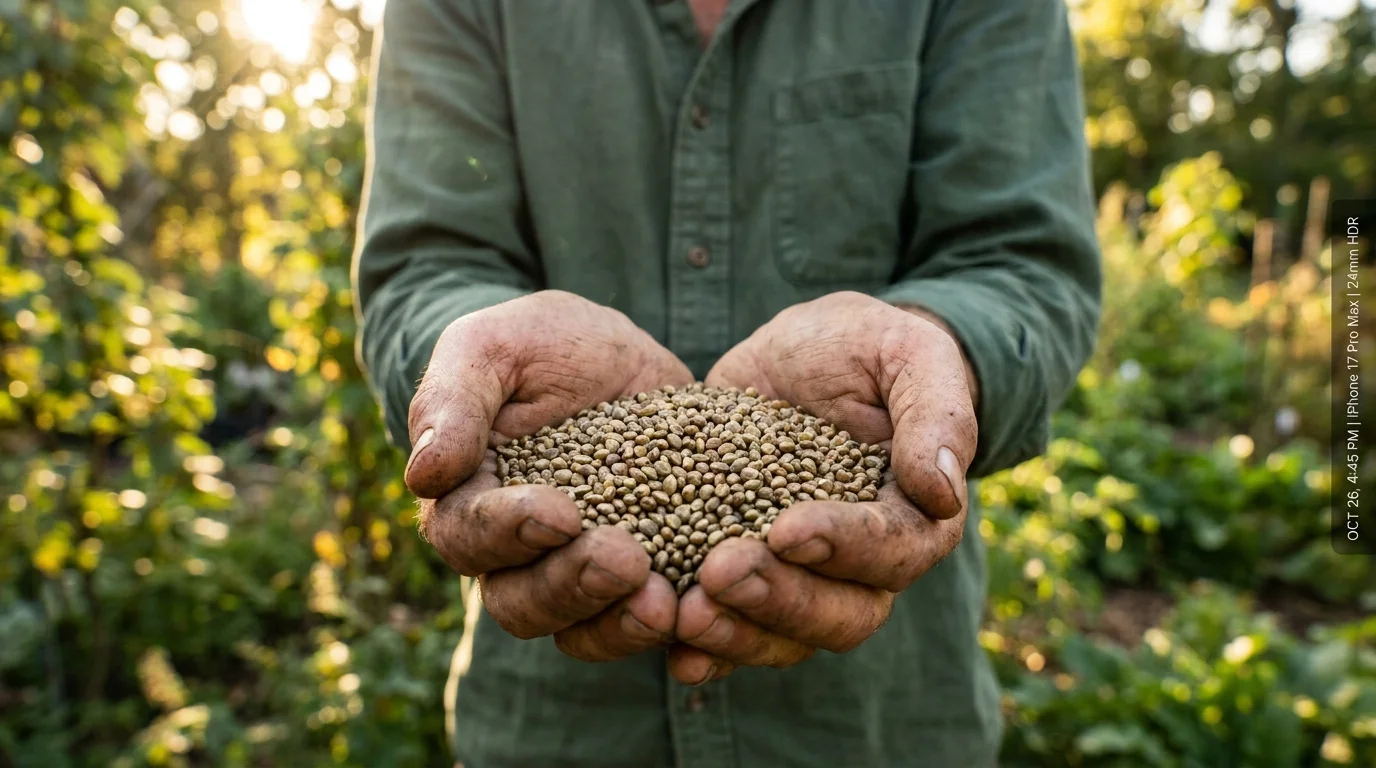
Sprinkling hemp hearts over your morning oatmeal provides a stellar boost of plant-based protein, yet these tiny seeds faced strict legal hurdles for decades. Law enforcement agencies historically conflated non-psychoactive hemp with marijuana, leading to widespread cultivation and sale bans across the United States. Fortunately, legislation eventually caught up with botanical science. Hemp seeds contain only medically insignificant trace amounts of THC, rendering them completely safe for daily consumption. When you eat hemp seeds, you deliver an optimal ratio of omega-3 to omega-6 fatty acids to your cardiovascular system. These healthy fats combat cellular inflammation and actively support ongoing cognitive function. Embracing hemp seeds allows you to diversify your plant-based protein sources while simultaneously supporting sustainable agricultural practices worldwide.

5. Margarine: The Trans Fat Turning Point
Margarine holds a uniquely turbulent legal history driven by economic protectionism and evolving cardiovascular science. Historically, dairy-heavy regions like Wisconsin criminalized the sale of yellow-dyed margarine to protect local butter farmers from cheap competition. Fast forward to the twenty-first century, and margarine faced new scientific scrutiny and outright bans due to its partially hydrogenated oil content. These artificial trans fats aggressively lower your beneficial HDL cholesterol while spiking harmful LDL cholesterol. Taking a definitive stance, regulators at the Food and Drug Administration officially banned artificial trans fats to protect public cardiovascular health. Modern margarine formulations now utilize much safer plant oils. By reading labels meticulously, you can choose spreads rich in unsaturated fats.

6. Ackee Fruit: Navigating Natural Toxins
The national fruit of Jamaica makes a spectacular centerpiece in traditional Caribbean cuisine, but the United States banned its importation for decades due to severe toxicity risks. Unripened ackee contains dangerous levels of hypoglycin A—a potent natural toxin that rapidly depletes your body’s glucose stores, causing severe illness. Proper preparation demands exact timing; the fruit must ripen naturally until the pods burst open, exposing the safe, fleshy arils. Today, strictly regulated canned ackee safely enters international markets. When prepared correctly, ackee offers an excellent source of healthy fats and dietary fiber. This exotic, nutrient-dense fruit serves as a powerful reminder that the term natural does not automatically equate to safe, and respecting traditional culinary preparation methods remains crucial for ensuring your total dietary safety.
7. Artificial Food Dyes: The European Precautionary Approach
While brightly colored candies dominate American grocery aisles, these same products face strict regulations across Europe. Countries like Norway and Austria previously banned synthetic dyes such as Red 40 and Yellow 5 entirely. The European Union currently mandates prominent warning labels on foods containing these chemicals due to observed links to hyperactivity in children. Rather than relying on synthetic petroleum-based dyes, many European manufacturers color their products using natural alternatives like beetroot extract and turmeric. You do not need to panic if you occasionally consume artificial dyes, but reducing your intake naturally steers you toward a more whole-food-centric diet. Choosing naturally vibrant fruits and vegetables provides your body with powerful antioxidants rather than empty synthetic additives that offer zero nutritional benefit.

Strategy Pillars: Applying Food Safety to Everyday Wellness

Nutrition: Prioritizing Evidence Over Fear
You can easily fall into the trap of chemophobia—the irrational fear of chemical-sounding names on an ingredient list. Just because a country once restricted an ingredient does not render it permanently toxic. You must evaluate the dose, the context, and the current scientific consensus. By focusing your nutritional efforts on consuming a vast array of whole foods, you automatically limit your exposure to controversial synthetic additives. This proactive approach builds a resilient dietary foundation driven by positive additions rather than restrictive, fear-based dieting.

Movement: Fueling Safely for Performance
Your physical performance heavily relies on the quality of your fuel sources. When you consume highly processed foods loaded with unregulated additives, you risk gastrointestinal distress that actively derails your workout progress. Choosing safe, thoroughly researched food staples ensures consistent energy delivery to your working muscles. You can optimize your physical recovery by relying on proven whole foods like lean proteins and complex carbohydrates rather than experimenting with questionable unregulated supplements that might contain historically banned substances.
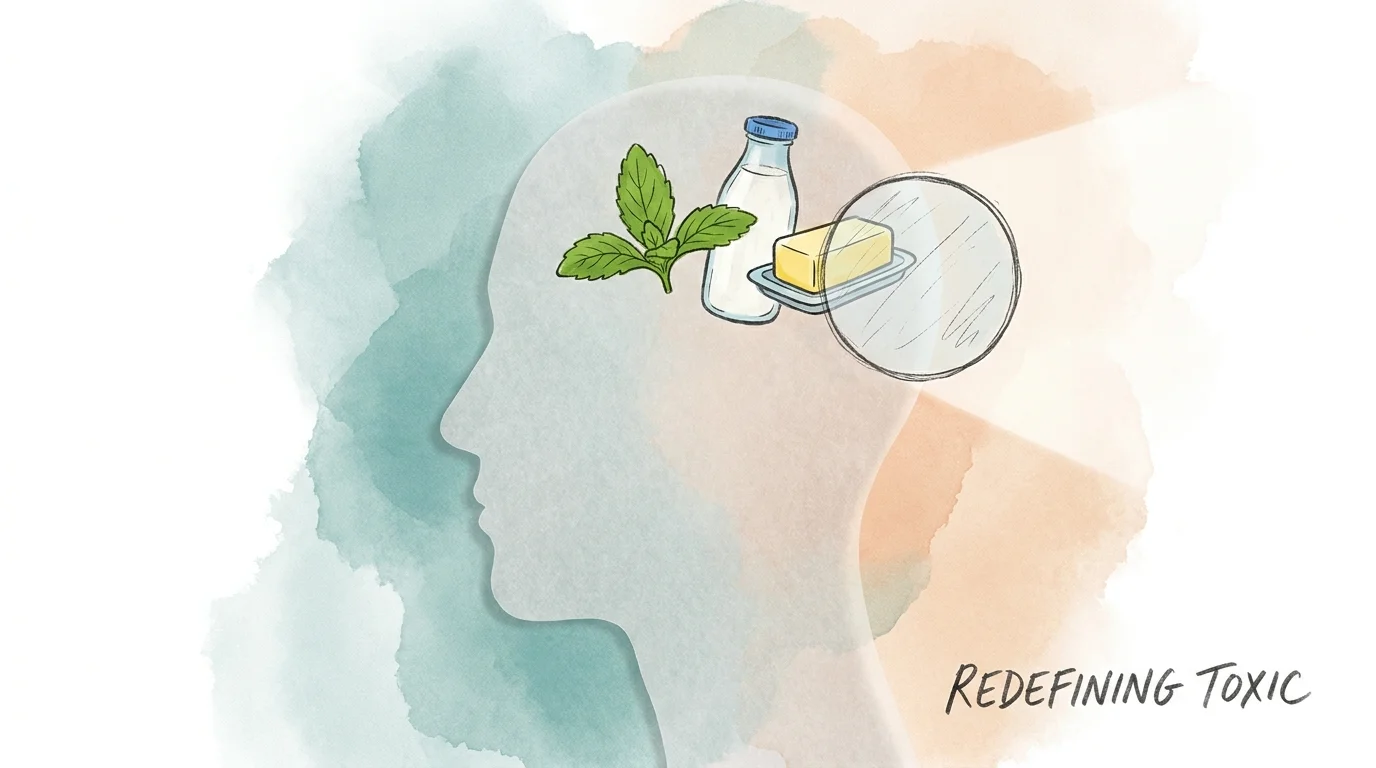
Mindset: Redefining Toxic and Banned Foods
Developing a healthy relationship with food requires you to drop absolute, black-and-white thinking. Categorizing foods purely as clean or toxic creates unnecessary psychological distress. Regulatory bodies ban items to manage massive population-level risks, not to dictate your individual morality. You can acknowledge the history of food safety scares while maintaining a flexible, balanced approach to eating. Give yourself full permission to enjoy a diverse diet without meticulously analyzing every single bite for imaginary contaminants.
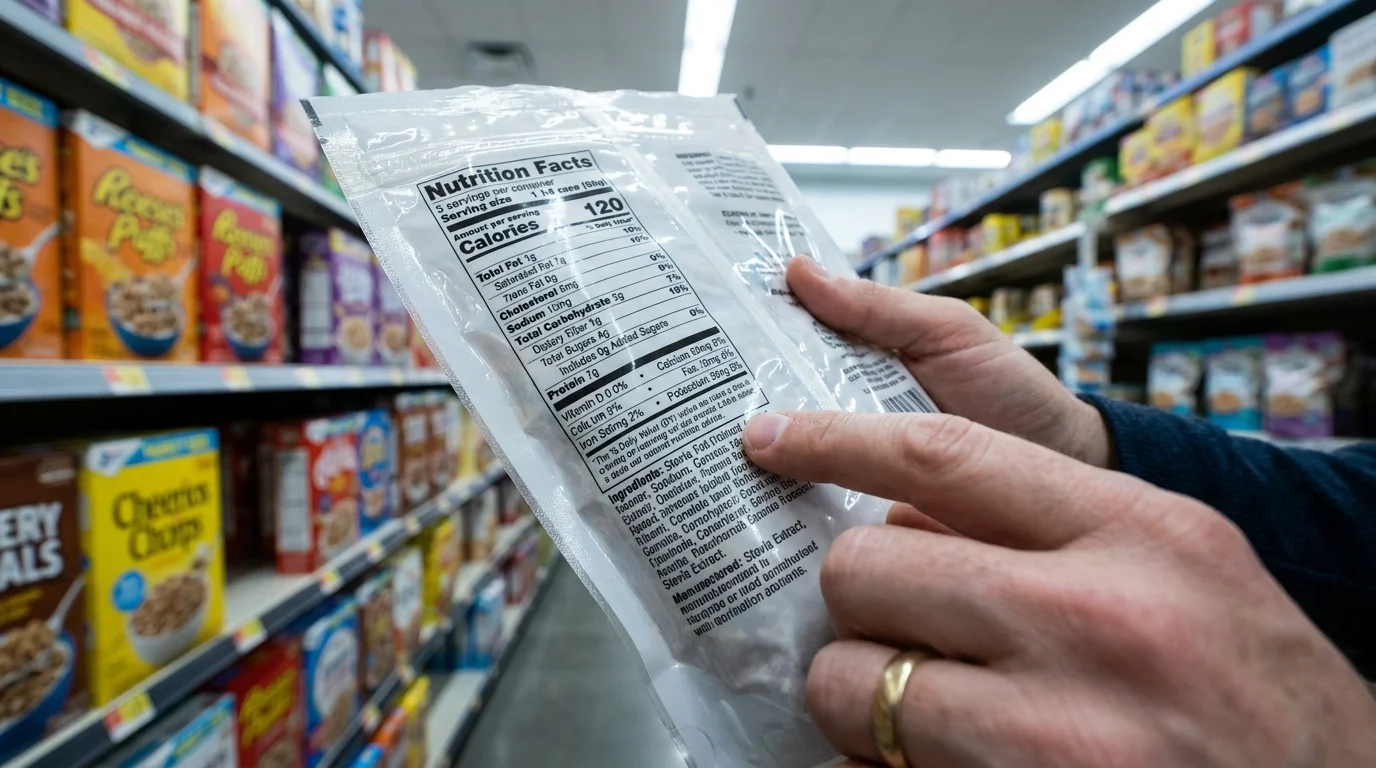
Lifestyle Habits: Becoming a Label Reader
Transforming your lifestyle starts in the grocery store aisles. You take back control of your nutrition the moment you start critically reading ingredient labels and nutritional panels. Look far beyond the flashy marketing claims plastered on the front of the packaging. You want to identify the specific types of fats used, the presence of synthetic colorings, and the total added sugar content. Making a daily habit of reading labels makes you completely immune to baseless nutritional panic.

Real Voices: Clinician Perspectives on Food Bans
Clinical dietitians frequently encounter clients paralyzed by overwhelming food anxieties fueled by viral social media misinformation. Many practitioners note that patients spend excessive time worrying about trace amounts of artificial dyes while completely neglecting fundamental health pillars like adequate daily fiber intake and hydration. Registered dietitians emphasize that your body possesses a highly sophisticated detoxification system naturally powered by your liver and kidneys. You do not need to panic over a solitary food item that was historically regulated. Focusing on consistency, dietary variety, and scientifically validated food safety practices yields far better physiological and mental health outcomes than attempting to ruthlessly eliminate every historically controversial ingredient.
Frequently Asked Questions About Food Safety and Bans
Why are some foods banned in Europe but allowed in the United States?
European regulators utilize the precautionary principle, meaning an additive must be proven entirely safe before it enters the market. The United States generally relies on post-market surveillance, allowing ingredients to be sold until clinical evidence demonstrates significant harm. These distinct legal frameworks cause major discrepancies in international food availability, particularly regarding synthetic preservatives and dyes.
Does a ban mean a food is permanently unsafe to eat?
Not necessarily; scientific understanding constantly evolves over time. Regulators frequently reverse bans once new extraction methods improve safety or rigorous clinical trials debunk earlier, flawed studies. Stevia provides the perfect example—once strictly banned due to insufficient toxicological data, it now enjoys global recognition as a thoroughly researched, zero-calorie sweetener supporting metabolic health.
Should I avoid foods that contain artificial dyes entirely?
You do not need to banish them entirely, but minimizing your intake offers highly practical health benefits. Artificial dyes typically appear in ultra-processed foods lacking significant nutritional value. When you consciously choose items without synthetic colorings, you organically transition toward nutrient-dense whole foods like fresh produce, thereby effortlessly elevating your overall diet quality.
How can I stay informed about food safety without feeling overwhelmed?
You can protect your peace of mind by sourcing your information exclusively from credentialed experts and major public health organizations. Regularly check scientifically grounded updates from the Dietitians of Canada or consult peer-reviewed journals. Focusing on basic food hygiene—like proper cooking temperatures and preventing cross-contamination—protects you far more than tracking obscure ingredient bans.
Motivating Close: Your Next Step for Safer Eating
You now possess a powerful understanding of how historical and scientific context heavily shapes the food on your plate. This week, take ten minutes to audit your pantry with this newfound perspective. Pull out three packaged items and critically read their ingredient lists. You are not looking for so-called toxins to throw away; you are simply practicing mindful awareness. Identify one highly processed item you frequently consume and brainstorm a whole-food alternative to swap in during your next grocery trip. Small, educated adjustments build the strong foundation needed for a lifetime of confident, science-backed nutritional wellness.