


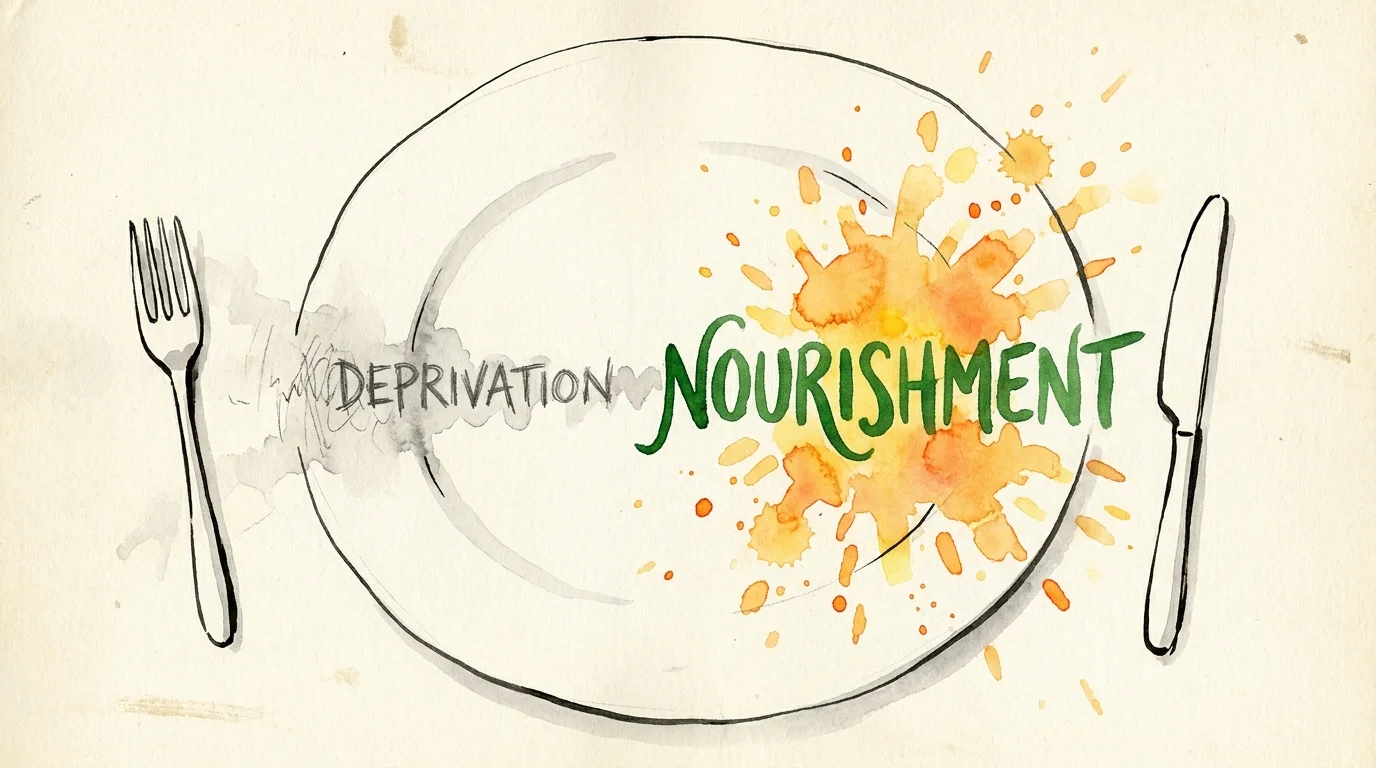
Finding foods that support sustainable weight loss means looking beyond restrictive fads to prioritize nutrient density and satiety. You can achieve your health goals while enjoying satisfying, budget-friendly meals that fuel your daily life. Weight loss ultimately hinges on creating a consistent energy deficit, but the quality of your calories dictates your hunger levels, metabolic health, and long-term success. Rather than agonizing over what to cut out of your diet, shifting your focus to what you can add transforms the process from deprivation to nourishment. This approach allows you to build a resilient, energized body without sacrificing flavor or cultural food traditions.
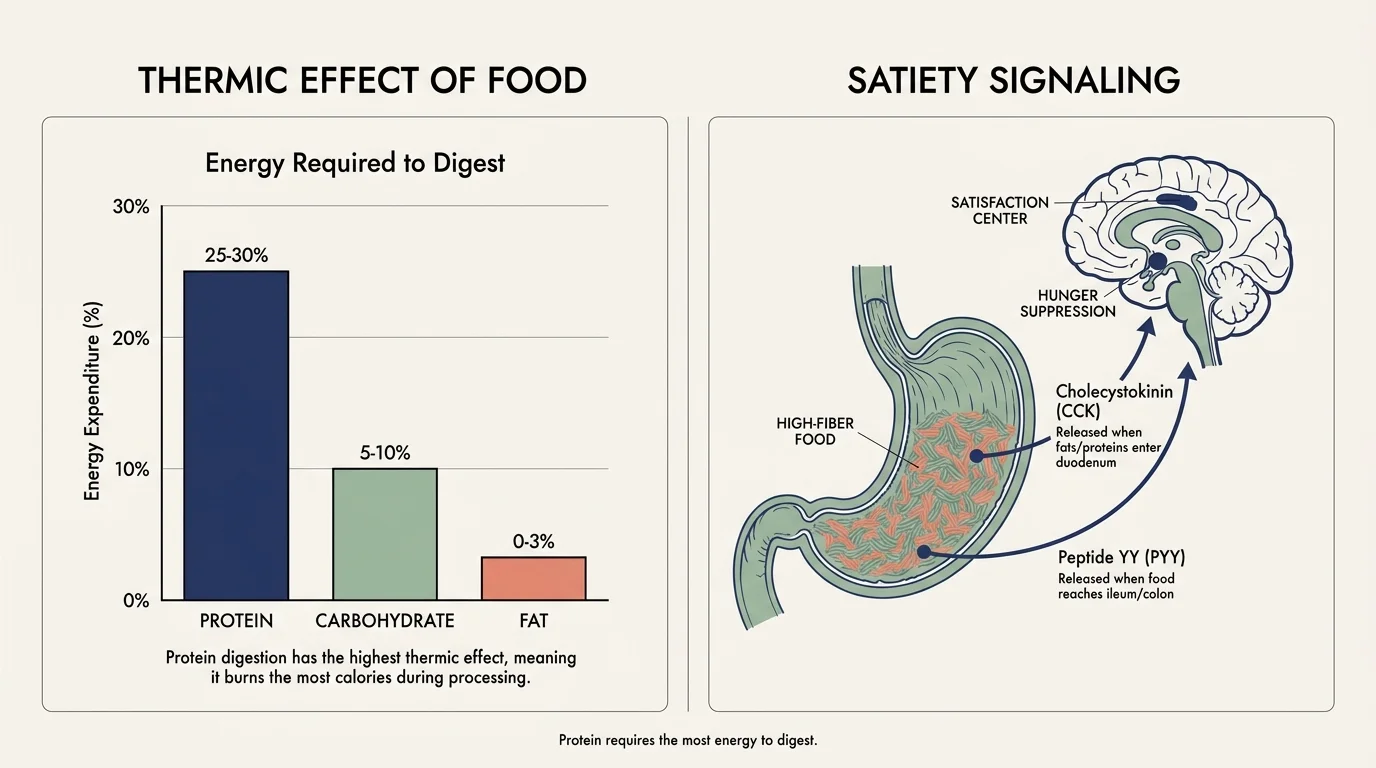
The Science Snapshot: Satiety, Metabolism, and Calorie Control
Understanding how your body processes different foods lays the foundation for an effective, fat-burning diet. When you consume meals rich in whole foods, your digestive system works harder to break them down; this physiological effort represents the thermic effect of food. Protein requires the most energy to digest, meaning your body burns a measurable percentage of the calories you eat simply by processing the meal. Physical food volume also plays a critical role in signaling fullness to your brain. Foods carrying high water and fiber content physically stretch your stomach, which immediately prompts the release of satiety hormones like cholecystokinin and peptide YY. By prioritizing these nutrient-dense options, you naturally regulate your appetite without feeling deprived. Many popular fad diets ignore this biological reality, prescribing tiny portions of calorie-dense foods that leave you ravenous and prone to overeating later in the day. Emerging research on protein and satiety highlights that optimizing your macronutrient intake significantly alters your daily hunger cues, making a caloric deficit feel manageable rather than like a daily punishment. Choosing the right foods recalibrates your metabolism to work alongside you instead of fighting against you.
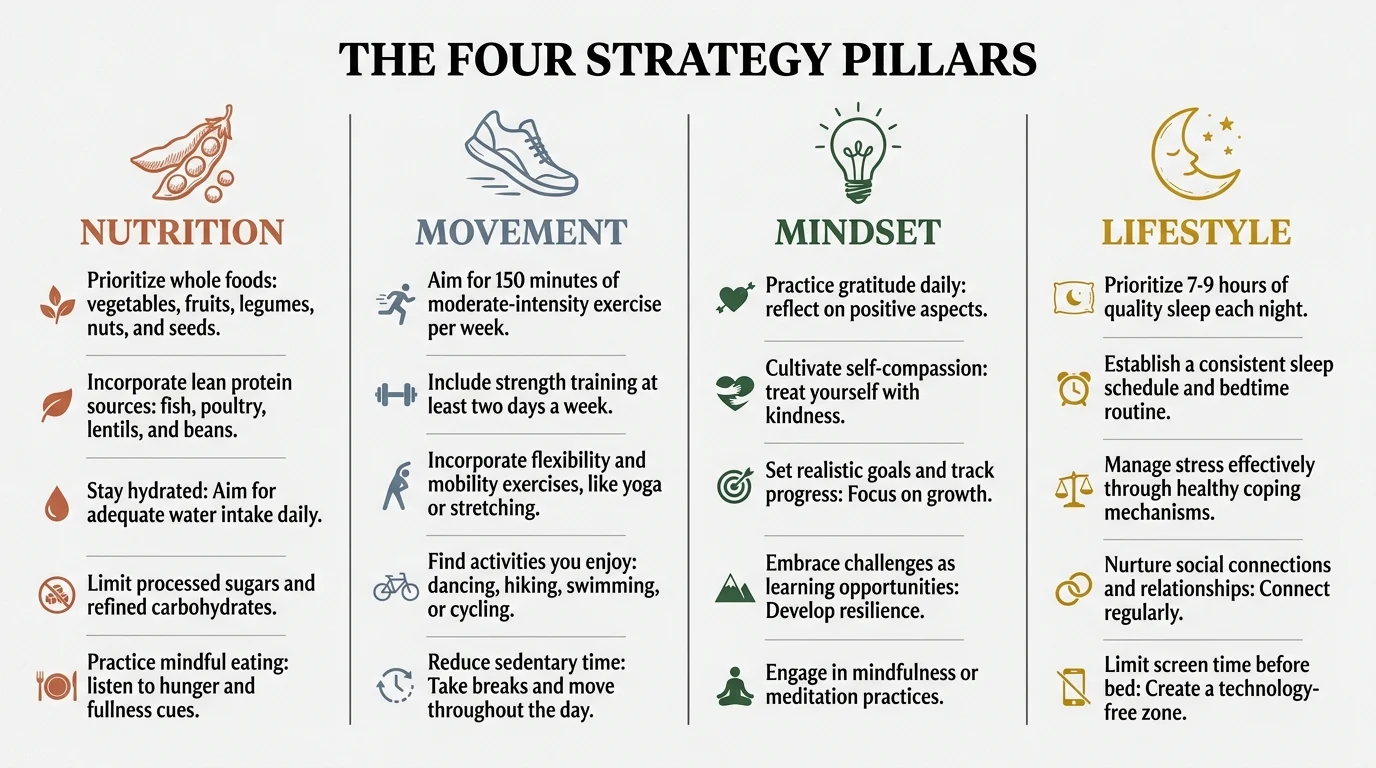
Strategy Pillars for Sustainable Calorie Control
Transforming your approach to weight management requires integrating smart nutrition with supportive daily habits. Focusing on a holistic strategy ensures your physical results last well into the future.

Nutrition: Filling Your Plate with Purpose
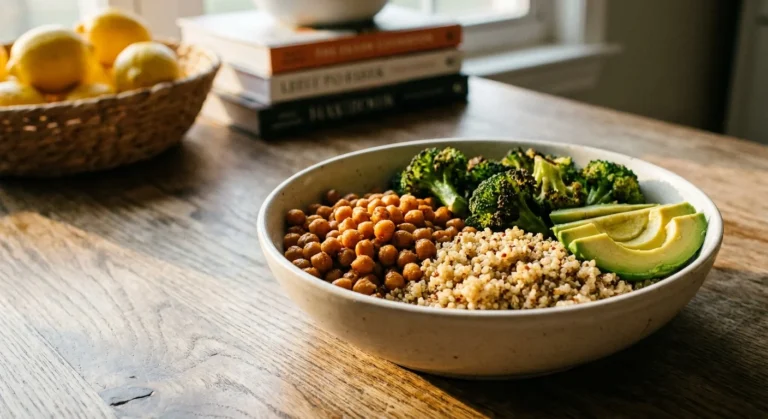
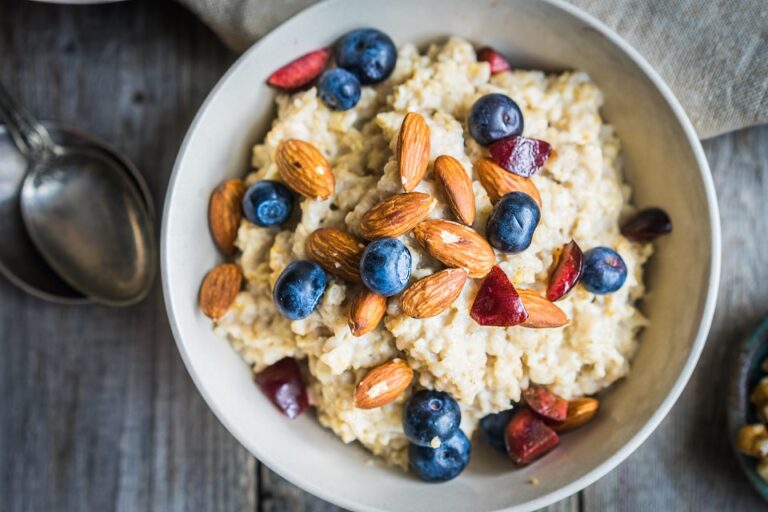
When you construct your meals, select ingredients that deliver maximum nutritional value for their caloric cost. Legumes—such as lentils, black beans, and chickpeas—serve as undisputed champions of weight management. They remain incredibly inexpensive, culturally versatile, and packed with a unique combination of soluble fiber and plant-based protein. This specific combination dramatically slows digestion and stabilizes your blood sugar, effectively preventing the mid-afternoon energy crashes that trigger intense sugar cravings. Cruciferous vegetables like broccoli, cauliflower, and Brussels sprouts provide immense physical volume with minimal calories, allowing you to enjoy massive, satisfying portions. Incorporating lean proteins, whether you prefer chicken breast, tofu, or white fish, delivers the necessary building blocks to preserve your metabolically active muscle tissue while you lose body fat. Whole grains such as oats, quinoa, and brown rice supply the sustained energy necessary to power your daily activities and exercise routines. Remember that a healthy diet does not require expensive superfoods or exotic ingredients; frozen vegetables and canned beans remain equally nutritious and highly budget-friendly. Global dietary frameworks, including World Health Organization dietary guidelines, emphasize the profound importance of diverse, plant-forward eating patterns for sustainable weight management and overall longevity. Always consult a healthcare professional or registered dietitian before completely overhauling your nutrition plan, especially if you manage underlying health conditions.

Movement: Synergizing Diet with Physical Activity
While nutrition establishes the energy deficit required for weight loss, physical activity dictates the specific composition of the weight you lose. Without adequate movement, a noticeable portion of your weight loss will inevitably come from muscle tissue rather than stored body fat. Preserving this muscle through resistance training ensures your resting metabolic rate remains robust, empowering you to burn more calories even while you sleep. You do not need to spend hours inside a commercial gym to see measurable results; bodyweight exercises, resistance bands, and kettlebell routines prove highly effective at home. Increasing your non-exercise activity thermogenesis—the calories you burn through ordinary daily movements like walking, gardening, and taking the stairs—dramatically increases your total daily energy expenditure. Current sports science guidelines on physical activity recommend a balanced combination of cardiovascular exercise and strength training to optimize body composition and metabolic health. When you properly fuel your body with complex carbohydrates and lean proteins, you provide the exact biological substrates needed to perform better during these activities and recover faster afterward. Movement should always feel like a celebration of what your body can accomplish, rather than a punishment for what you consumed at dinner.
Mindset: Reframing Your Relationship with Food
The most perfectly designed nutrition plan will inevitably fail if you build it upon a foundation of guilt and restriction. Psychological resilience operates as the most overlooked component of effective weight management. When you rigidly categorize foods as strictly acceptable or forbidden, you assign those forbidden foods intense psychological power, frequently triggering a destructive binge-restrict cycle that stalls your progress and harms your mental health. Sustainable weight loss requires embracing dietary flexibility; enjoying a slice of pizza with your family or a piece of birthday cake does not ruin your progress unless you allow guilt to derail your eating habits for the remainder of the week. Focus entirely on adding nourishing foods rather than obsessing over subtractions. Practice mindful eating by sitting down without digital distractions, chewing your food thoroughly, and paying close attention to the nuanced flavors and textures of your meal. This focused practice helps you recognize subtle fullness cues long before you reach the point of physical discomfort. Shifting your mindset from shrinking your physical body to fueling your active life transforms weight management from a temporary endeavor into a permanent lifestyle adaptation.

Lifestyle Habits: Sleep, Stress, and Hydration
Your dietary choices operate alongside your broader lifestyle habits, constantly interacting with your daily environment. Chronic sleep deprivation wreaks immediate havoc on your hunger hormones, specifically by elevating ghrelin—the hormone that signals hunger—and suppressing leptin, which signals fullness. When you operate on insufficient sleep, your brain actively seeks out quick, calorie-dense forms of energy, making sugary and highly palatable fatty foods nearly impossible to resist. Managing chronic emotional stress proves equally vital, as continuously elevated cortisol levels actively encourage your body to store fat, particularly around your central abdominal region. Implementing constructive stress-relief mechanisms, such as deep breathing exercises, meditation, or simply walking in nature, directly supports your physical weight loss goals. Hydration also plays a silent but incredibly powerful role in daily calorie control. Many people frequently mistake mild dehydration for physical hunger, impulsively reaching for a snack when their body actually requires a simple glass of water. Maintaining adequate fluid intake optimizes cellular function, supports healthy digestion, and helps you accurately interpret your body’s true hunger signals throughout the day.

Real Voices from Clinical Practice
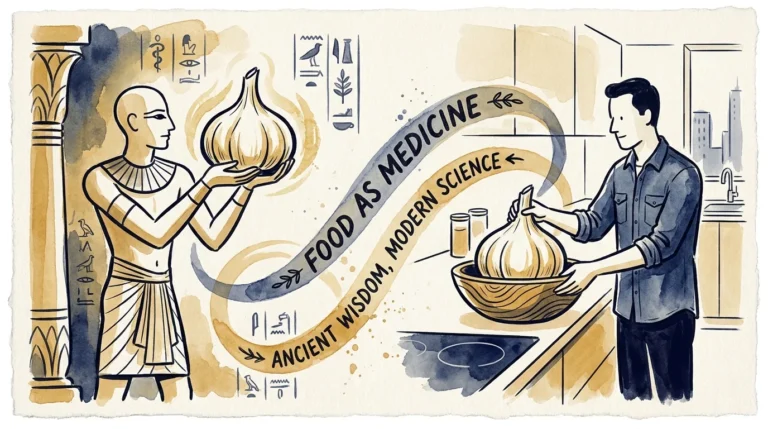
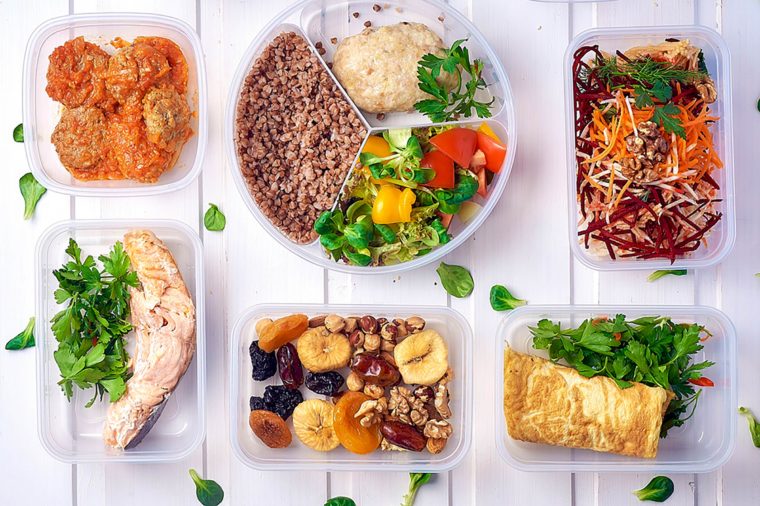
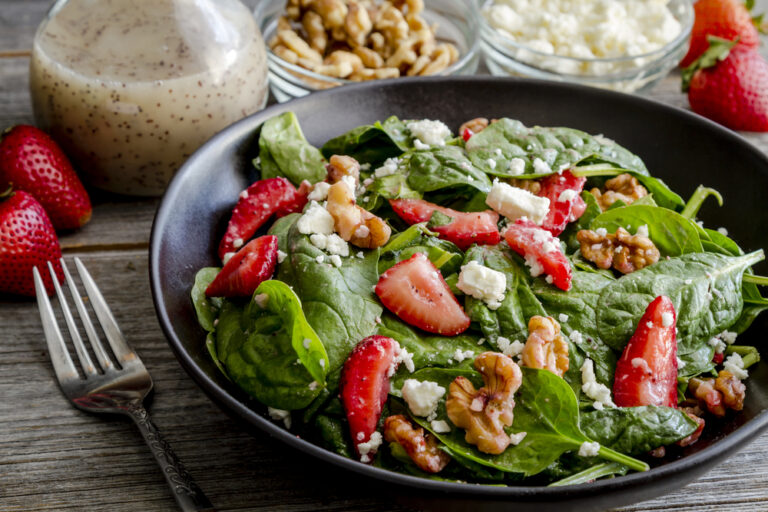
In clinical settings, dietitians consistently observe that the most successful patients completely abandon the mentality of starvation. Weight management interventions thrive when practitioners focus intensely on food abundance rather than limitation. For example, clinicians routinely enhance a patient’s favorite meal rather than removing it from their weekly menu. If you love pasta night, a practitioner might suggest swapping half the noodles for vibrant zucchini ribbons or adding a robust serving of lean turkey meatballs and spinach. This specific technique, known widely as volume eating, allows you to enjoy the psychological satisfaction of a completely full plate while naturally moderating your caloric intake. Trusted professional organizations provide extensive Academy of Nutrition and Dietetics resources that validate this inclusive, additive approach to daily dieting. Clinicians emphasize that cultural foods are never the enemy; traditional diets developed around the world remain inherently balanced and highly nutritious. Whether you are enjoying a spicy lentil dal, a vibrant Mediterranean salad, or savory black bean tacos, you can easily align your cultural heritage with your long-term wellness goals.
Frequently Asked Questions
Do carbohydrates prevent weight loss?
Carbohydrates are not inherently fattening and you never need to eliminate them to achieve sustainable weight loss. The widespread confusion stems from the overconsumption of highly refined carbohydrates, such as sugary pastries and white bread, which lack essential fiber and fail to keep you full. Complex carbohydrates—like sweet potatoes, quinoa, and whole oats—come naturally bundled with dietary fiber, vital vitamins, and necessary minerals. They provide your brain and muscles with preferred energy, successfully preventing the sluggishness that often derails an active lifestyle. Smart portion control and mindful preparation methods matter far more than avoiding the macronutrient itself.
How late can you eat without gaining weight?
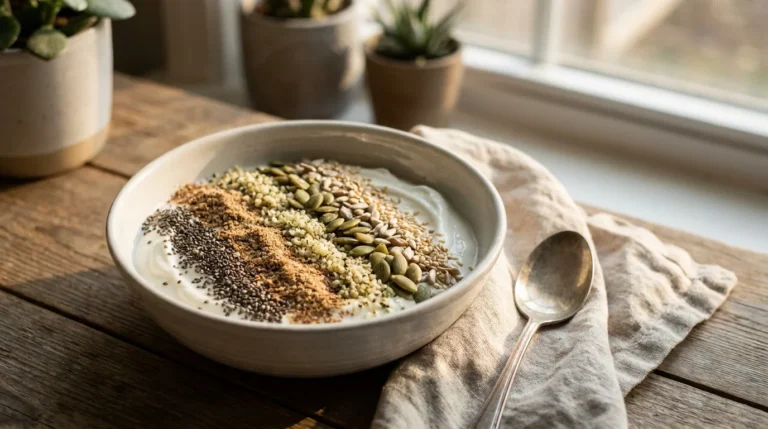
Your digestive system does not simply shut down or automatically start storing fat the moment the clock strikes a certain evening hour. Weight gain results exclusively from a consistent surplus of calories over an extended period, regardless of when you consume those specific calories. However, late-night eating frequently involves mindless snacking on highly palatable, calorie-dense foods while watching television or scrolling on a phone. If you feel genuinely hungry in the evening, reaching for a high-protein, satisfying snack like Greek yogurt or a handful of almonds will support your nutritional goals without causing unwarranted weight gain.
Are artificial sweeteners and zero-calorie foods actually helpful?
Zero-calorie beverages and artificial sweeteners frequently serve as highly useful transitional tools for individuals actively trying to reduce a high daily intake of sugary sodas and juices. By substituting a high-calorie drink with a diet alternative, you effortlessly create a larger daily calorie deficit. Yet, relying entirely on artificially sweetened packaged products does not constitute a comprehensive strategy for lifelong health. Some individuals find that intensely sweet zero-calorie foods inadvertently maintain their intense cravings for sugar. The healthiest long-term approach involves gradually transitioning your palate to enjoy naturally flavored waters, unsweetened teas, and whole, nutrient-dense foods.
How do you handle sudden cravings without ruining your progress?
Cravings represent a completely natural part of human biology and overly restrictive diets often exacerbate their intensity. When a strong craving strikes, simply pause and honestly assess whether you are experiencing true physical hunger or emotional fatigue. If you feel genuinely physically hungry, eat a balanced meal containing adequate protein and fiber to satisfy your body. If you determine the craving stems from emotional stress, allow yourself a deliberate, controlled portion of the desired food. Eating a small piece of dark chocolate slowly and mindfully proves far more effective than avoiding it entirely, feeling deprived, and eventually bingeing.
Your Next Step for Sustainable Weight Loss
Transforming your eating habits requires deliberate patience, steady consistency, and a profound willingness to prioritize your overall well-being over rapid, fleeting results. You possess the complete ability to curate a daily diet that satisfies your taste buds, respects your financial budget, and propels you steadily toward a healthier weight. This week, pick one specific meal to thoughtfully enhance rather than restrict. Try adding a generous handful of leafy greens to your morning eggs or mixing half a cup of fiber-rich beans into your favorite lunchtime soup. These small, daily commitments to deep nourishment compound significantly over time, successfully building the sturdy foundation for a vibrant, energetic life. Always consult your primary care physician or a registered dietitian to ensure your dietary adjustments align safely with your unique medical history.




















2 thoughts on “Best Foods for Weight Loss That Actually Work”
Hello!
77777
Good luck 🙂
The US president raged at NATO allies over defense spending in meeting with the German chancellor, as Israel ordered its military to ‘advance’ in Lebanon