

Exploring the fascinating history of foods once banned around the world reveals how culinary laws often dictate your dietary choices today. Understanding these controversial foods helps you build a more diverse, nutrient-dense diet without falling prey to modern food fear-mongering. Throughout history, governments and ruling classes have outlawed everything from coffee to potatoes, citing bizarre health claims, cultural suppression, or economic protectionism. By examining these historical food laws, you can appreciate the nutritional freedom you currently enjoy and make more informed, evidence-based decisions about your plate. When you look at the science behind why these nine foods were once illegal, you gain valuable insights into nutrition, food safety, and the importance of a balanced lifestyle.
The Science Snapshot Behind Banned Foods
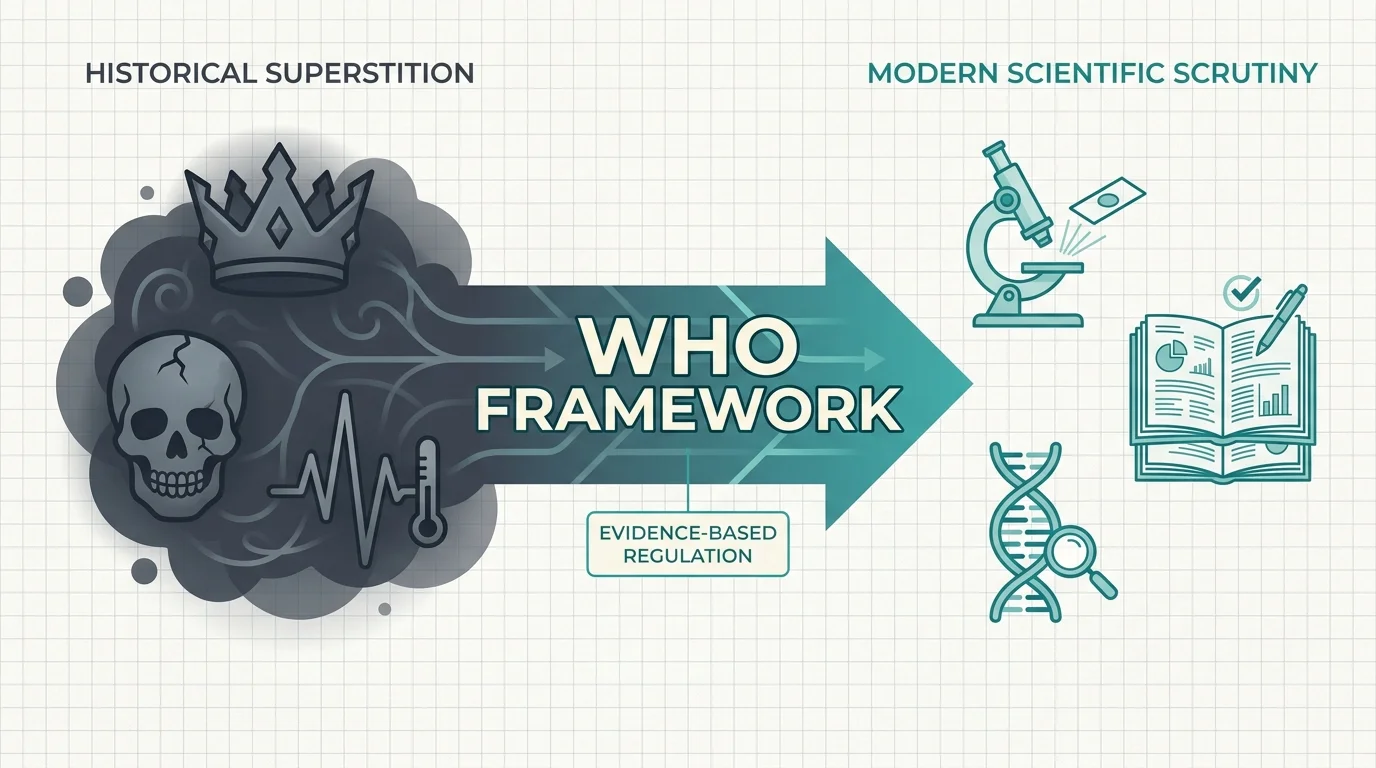
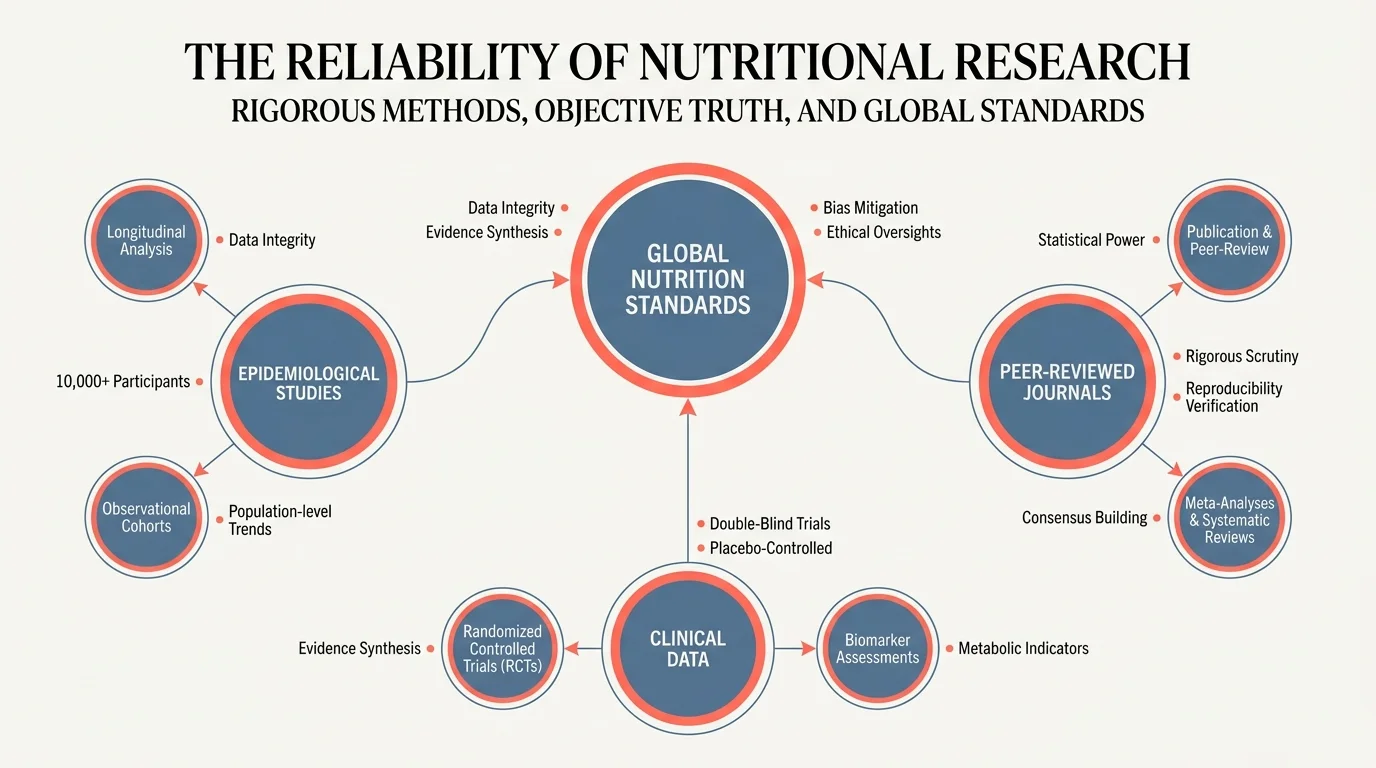
The evolution of food regulation is a fascinating journey from superstition to rigorous scientific scrutiny. Historically, monarchs and local governments banned foods based on unfounded medical fears or a desire to suppress rival economies. Today, nutritional science provides a clear lens through which you can evaluate what belongs on your plate. Modern health authorities rely on comprehensive clinical data to formulate dietary guidelines rather than arbitrary cultural biases; researchers continually update recommendations based on large-scale epidemiological studies, ensuring food policies protect public health without causing unnecessary panic.
You can review the rigorous methods behind global nutrition standards through the World Health Organization frameworks for healthy diets. Understanding this shift from fear-based prohibition to evidence-based regulation empowers you to look past marketing hype. You learn to recognize the distinct difference between a genuinely hazardous food ingredient and one that merely suffers from poor public perception. This scientific snapshot proves that while food policies are not always perfect, the current emphasis on peer-reviewed research offers a much safer, more reliable foundation for your personal wellness journey.

Strategy Pillars for a Balanced Life
Nutrition and the Nine Controversial Foods
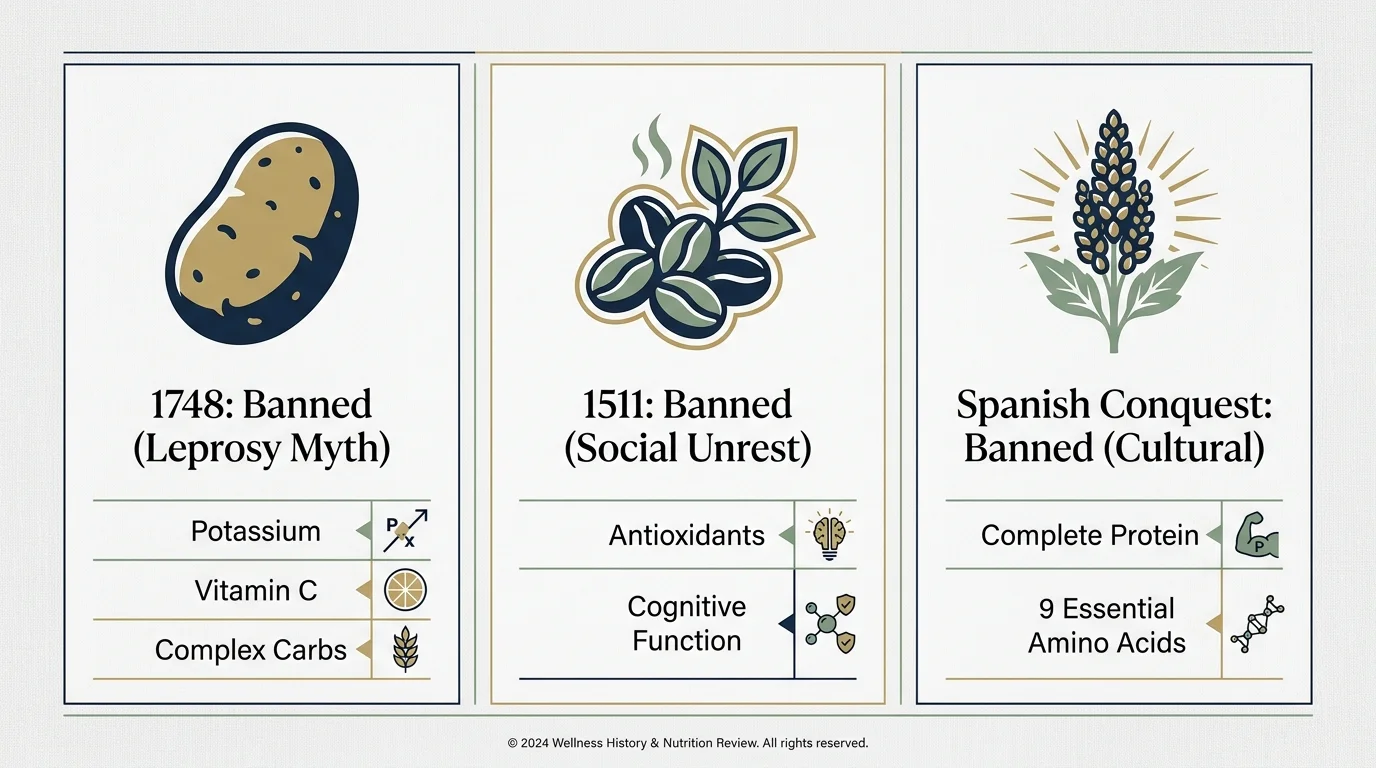
1. Potatoes: In 1748, the French Parliament explicitly banned the cultivation of potatoes because officials genuinely believed the tuber caused leprosy. This fear deprived citizens of an incredibly efficient calorie source for decades. Today, sports nutritionists revere the potato as a powerhouse of complex carbohydrates, potassium, and vitamin C. Incorporating baked or boiled potatoes into your meals provides sustained energy for your daily activities and workouts without the unfounded historical panic.
2. Coffee: The governor of Mecca outlawed coffee in 1511, convinced that the stimulating beverage encouraged radical thinking and social unrest. Multiple European monarchs attempted similar bans over the centuries. Modern clinical research completely flips this narrative—regular coffee consumption is now widely recognized for its robust health benefits. You can explore the extensive data on metabolic health and dietary antioxidants to see how moderate coffee intake supports cognitive function and reduces the risk of specific chronic diseases.
3. Quinoa: During the Spanish conquest of South America, colonizers banned the cultivation of quinoa to undermine Indigenous religious ceremonies and cultural independence; they forced local communities to grow wheat instead. Centuries later, scientists classified quinoa as a pseudocereal and a rare plant-based complete protein containing all nine essential amino acids. Adding quinoa to your diet offers a superb, gluten-free nutrient profile that directly supports muscle repair and overall vitality.
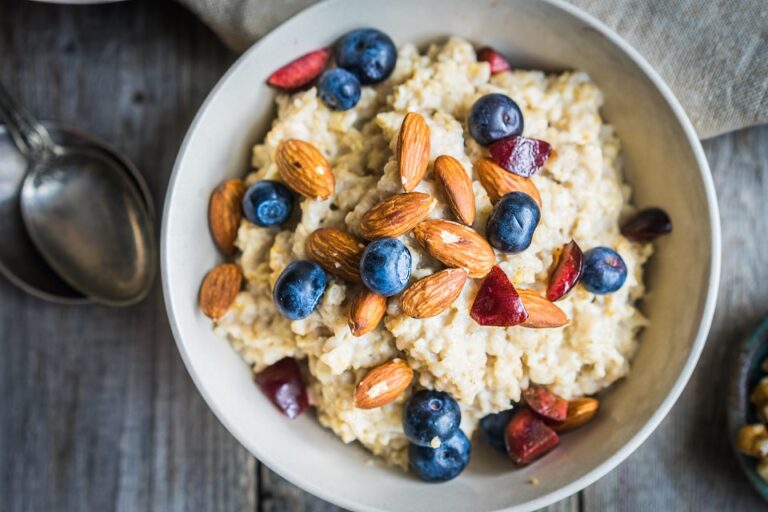
4. Hemp Seeds: Because they originate from the Cannabis sativa plant, hemp seeds spent decades caught up in strict international narcotics bans. Lawmakers failed to differentiate between psychoactive strains and nutritionally dense industrial hemp. Fortunately, science prevailed, and hemp seeds are now entirely legal and celebrated for their optimal ratio of omega-3 to omega-6 fatty acids. Sprinkling these seeds on your morning oatmeal delivers vital healthy fats that promote joint health and cardiovascular function.
5. Margarine: In the late nineteenth century, several American dairy-producing states banned margarine or heavily restricted its sale to protect local butter industries. Some laws even required manufacturers to dye the spread a deeply unappetizing pink to deter consumers. This bizarre economic protectionism eventually faded, paving the way for a deeper scientific understanding of dietary fats. The subsequent evolution from dangerous trans-fat-laden margarines to modern, heart-healthy plant sterol spreads highlights the importance of adapting your diet as nutritional science advances.
6. Sliced Bread: In a uniquely modern example, the United States briefly outlawed the sale of commercially sliced bread in 1943. Officials implemented the ban to conserve wax paper and stabilize wheat prices during World War II. The ensuing public outrage forced the government to rescind the order within months. This historical quirk serves as a perfect reminder to practice mindful eating; while convenience foods save time, you must remain intentional about selecting whole grain options over heavily refined commercial loaves.
7. Kombucha: This popular fermented tea faced severe restrictions and widespread commercial recalls in the early 2010s. Regulators discovered that secondary fermentation processes were causing the alcohol content of certain brands to exceed legal limits. The temporary removal of kombucha from grocery shelves forced the industry to rapidly standardize its brewing practices. Today, you can safely enjoy commercial kombucha and its rich array of gut-friendly probiotics, knowing that rigorous testing protocols now ensure both public safety and product consistency.
8. Raw Milk: Unlike many historically banned foods that were outlawed for arbitrary reasons, the restriction of unpasteurized milk remains a highly relevant, science-backed public health measure. Many regions explicitly prohibit the commercial sale of raw milk due to the severe risk of foodborne illnesses caused by dangerous pathogens like Listeria, Salmonella, and E. coli. You can examine the comprehensive guidelines on dairy pasteurization and food safety to understand why this specific restriction is vital for preventing life-threatening infections, especially in vulnerable populations.
9. Cacao: European religious authorities heavily debated and occasionally restricted the consumption of chocolate in the sixteenth and seventeenth centuries. Critics argued that the rich, stimulating nature of cacao provoked intoxicating effects and inappropriate behaviors. Fortunately, science eventually dismantled these prudish fears. Raw cacao is now globally recognized as a dense source of heart-protective flavonoids and magnesium. Integrating dark chocolate into your diet provides both a psychological treat and a legitimate physiological boost.

Movement: Fueling Your Body with Historical Staples
Carbohydrates have faced immense scrutiny in modern diet culture, yet they remain the fundamental currency of human movement. Historically banned foods like potatoes and quinoa are prime examples of complex carbohydrates that effectively replenish muscle glycogen after intense exercise. When you engage in resistance training or cardiovascular workouts, your body demands readily available energy to perform and recover. You can read more about how complex carbohydrates support endurance through the clinical recommendations for athletic performance. Rather than restricting these powerful foods, you should leverage them to enhance your stamina. A baked potato before a long run or a quinoa salad after weightlifting provides the exact macronutrients your muscular system requires to repair tissue and build strength.
Mindset: Escaping the Ban Mentality
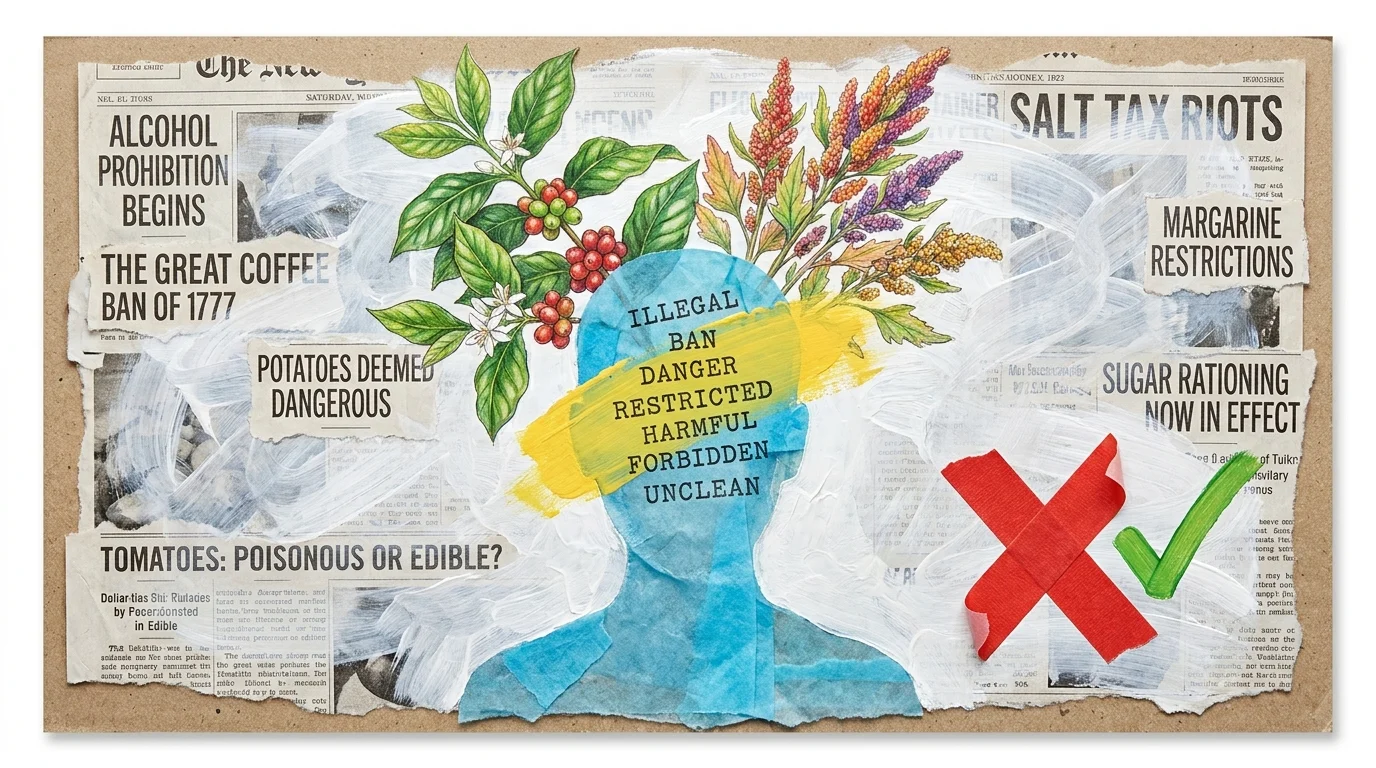
The history of government food bans mirrors the psychological restrictions you might consciously place on your own diet. Labeling certain foods as “illegal” or “bad” creates a cycle of deprivation and guilt that ultimately undermines your wellness goals. When you arbitrarily eliminate entire macronutrient groups—much like an eighteenth-century monarch banning a vegetable out of superstition—you disrupt your psychological relationship with eating. True nutritional wellness requires cultivating a mindset of abundance rather than restriction. You achieve long-term health by focusing on what you can add to your plate instead of what you must remove. Embracing dietary flexibility reduces cortisol levels associated with food anxiety and allows you to enjoy meals without constantly moralizing your culinary choices.

Lifestyle Habits: Sustaining Nutritional Freedom
Transforming historical trivia into actionable lifestyle habits requires you to broaden your culinary horizons. You can start by integrating diverse, culturally significant foods into your weekly meal planning. Experimenting with ancestral grains, seeds, and root vegetables prevents dietary fatigue and ensures a wider spectrum of micronutrient intake. Developing a weekly routine that includes mindful grocery shopping helps you navigate modern food environments with absolute confidence. By prioritizing whole, minimally processed ingredients while remaining deeply skeptical of sensationalized food trends, you establish a highly resilient lifestyle. This balanced approach honors the scientific progress that dismantled archaic food bans and allows you to build a sustainable, joy-filled relationship with nutrition.
Real Voices in Clinical Nutrition
Registered dietitians frequently observe the negative impact of self-imposed food bans in clinical practice. When you restrict foods based on fear rather than medical necessity, you drastically increase the likelihood of nutrient deficiencies and binge eating behaviors. Clinical nutrition experts emphasize that all foods can fit into a balanced lifestyle when approached with mindfulness and moderation. Practitioners continually advocate for food neutrality, a concept that strips away the moral weight attached to eating specific items. You can explore the principles of food neutrality and balanced living through the dietary practice resources for intuitive eating. Clinicians consistently note that patients who give themselves unconditional permission to eat historically demonized foods—like potatoes or full-fat dairy—often experience dramatic improvements in both metabolic health and psychological well-being. By adopting this clinically supported perspective, you empower yourself to make rational, nourishing choices completely free from historical or modern food anxieties.
Frequently Asked Questions
Why do modern food regulations exist?
Modern food regulations exist primarily to protect public health from measurable, scientifically verified risks. Unlike historical bans driven by superstition or economic protectionism, current laws target specific dangers such as bacterial contamination, toxic additives, and undeclared allergens. These rigorous frameworks ensure that the products you purchase meet strict safety and sanitation standards before they ever reach your dining table.
Are any commonly consumed foods currently illegal in other countries?
Yes; international food laws vary significantly based on local regulatory standards. For example, the United States permits the use of certain artificial food dyes and chemical preservatives that the European Union heavily restricts or outright bans. Conversely, traditional delicacies like haggis face strict import bans in the US due to highly specific regulations regarding the inclusion of sheep lungs in commercial food products.
How does knowing food history improve your dietary choices?
Understanding the bizarre history of food bans helps you thoroughly contextualize modern nutritional sensationalism. When you recognize that past generations needlessly feared nutritious foods like potatoes and tomatoes, you naturally become more skeptical of today’s fad diets that demand arbitrary, sweeping restrictions. This grounded historical perspective encourages you to rely on enduring scientific evidence rather than fleeting, internet-driven wellness trends.
Should you try historically banned foods for better health?
You should absolutely incorporate foods like quinoa, potatoes, and hemp seeds into your daily routine, provided you have no specific allergies. These previously restricted ingredients offer exceptional vitamins, minerals, and dietary fiber. However, you must always respect modern bans rooted in genuine food safety; honoring regulations on unpasteurized milk or improperly fermented products protects you from severe, entirely preventable bacterial infections.
Your Next Step for Culinary Wellness
Moving forward, challenge yourself to rethink any arbitrary rules you have applied to your own diet. This week, select one nutrient-dense food that you previously avoided due to diet culture myths—perhaps a serving of complex carbohydrates like roasted potatoes or a square of dark chocolate—and mindfully incorporate it into a meal. Pay close attention to how this food fuels your energy levels and satisfies your palate without causing harm. By intentionally breaking down your personal dietary restrictions, you honor the scientific progress that defines modern nutrition and take a definitive step toward lasting, sustainable wellness.