
As you celebrate another year of life, your body quietly shifts the way it manages essential nutrients. Bone density naturally declines with age, leaving your skeletal framework more vulnerable to fractures and osteoporosis. You might feel overwhelmed by the sheer volume of nutritional advice directed at older adults, but protecting your bones does not require extreme dietary overhauls or expensive supplement regimens. You simply need a strategic, highly actionable approach to your daily meals. By prioritizing specific, nutrient-dense ingredients, you provide your body with the exact building blocks it requires to maintain a resilient and strong skeleton well into your golden years.
The Science of Aging Bones and Calcium Metabolism
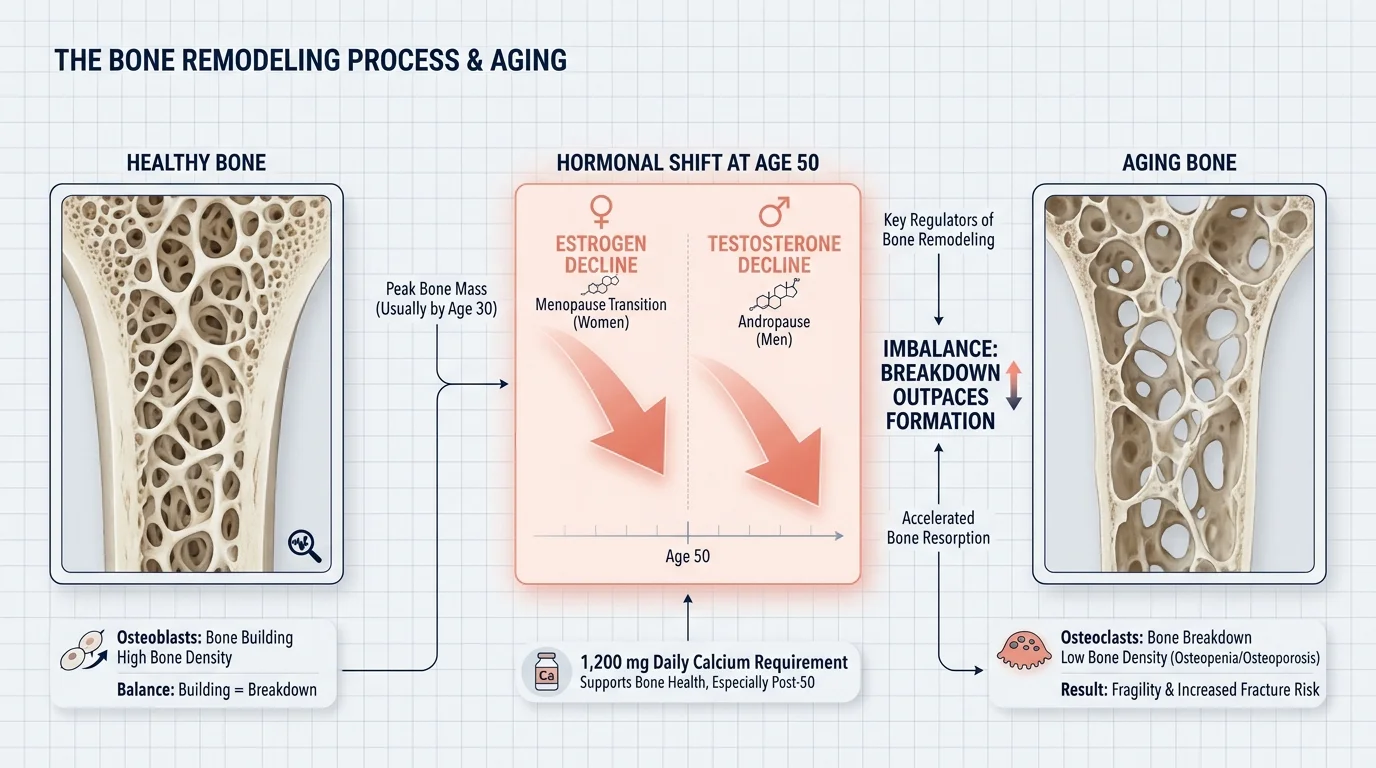
To understand why your dietary needs change, you must look at the cellular activity inside your bones. Your skeleton is not a static structure; it remains a highly active living tissue undergoing a constant state of remodeling. Specialized cells called osteoclasts continuously break down old bone tissue, while osteoblasts build new bone in its place. During your younger years, this process remains perfectly balanced. However, as you pass the age of fifty, hormonal shifts—specifically the sharp decline of estrogen in women and the gradual reduction of testosterone in men—disrupt this delicate equilibrium. The breakdown process begins to outpace new bone formation, slowly depleting your skeletal density.
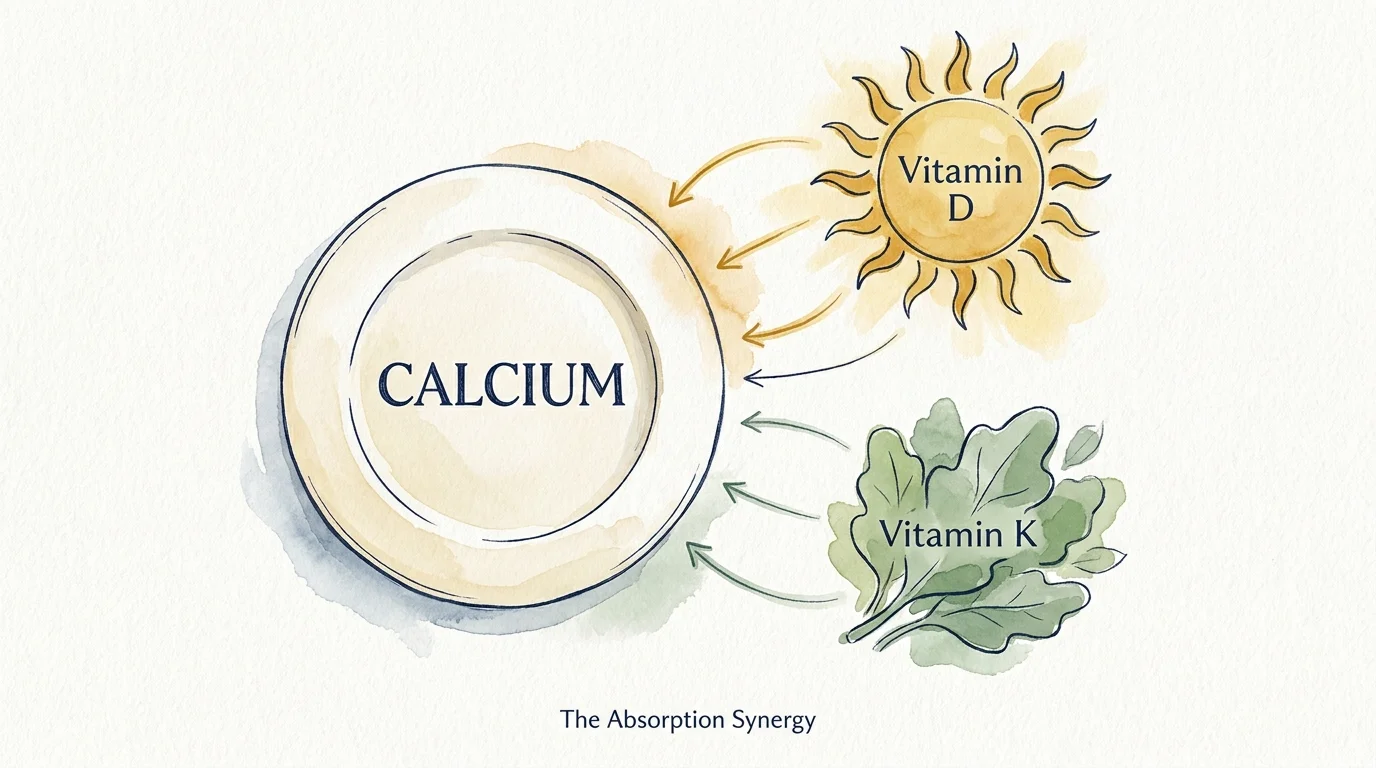
This metabolic shift dramatically increases your daily requirement for bone-building minerals. Health authorities recommend 1,200 milligrams of daily calcium for women over fifty and men over seventy. Unfortunately, your digestive system becomes less efficient at extracting this mineral from food as you age. Gastric acid production often declines, and the microscopic structures in your intestines absorb fewer nutrients. You must also consider the critical role of complementary nutrients; without adequate vitamin D to facilitate intestinal absorption and vitamin K to direct the mineral into your bone matrix, dietary calcium remains severely underutilized. Clinical guidelines established by the National Institutes of Health emphasize that securing these nutrients through whole foods offers superior metabolic benefits compared to synthetic pills.
10 Calcium-Rich Foods to Nourish Your Bones
Building a robust dietary strategy begins with knowing exactly which ingredients deliver the highest mineral returns. You can seamlessly integrate the following ten foods into your weekly grocery rotation to support long-term skeletal integrity.
1. Plain Greek Yogurt
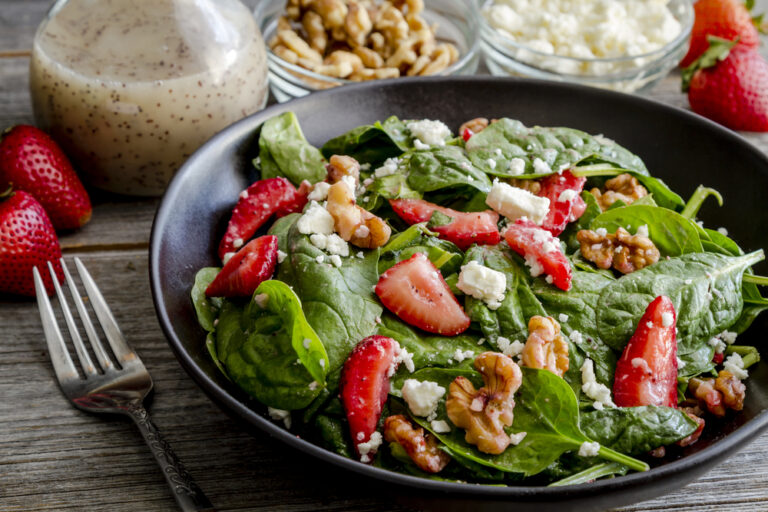
Fermented dairy products represent one of the most bioavailable sources of calcium available to the human body. A single cup of plain Greek yogurt delivers roughly 250 to 300 milligrams of the mineral, alongside a substantial dose of high-quality protein necessary for muscle preservation. The active probiotic cultures in yogurt play a secondary but vital role—they optimize your gastrointestinal microbiome, which directly enhances your body’s ability to absorb micronutrients efficiently. You can stir fresh berries into a morning bowl or use plain yogurt as a savory base for homemade salad dressings.
2. Canned Sardines with Intact Bones
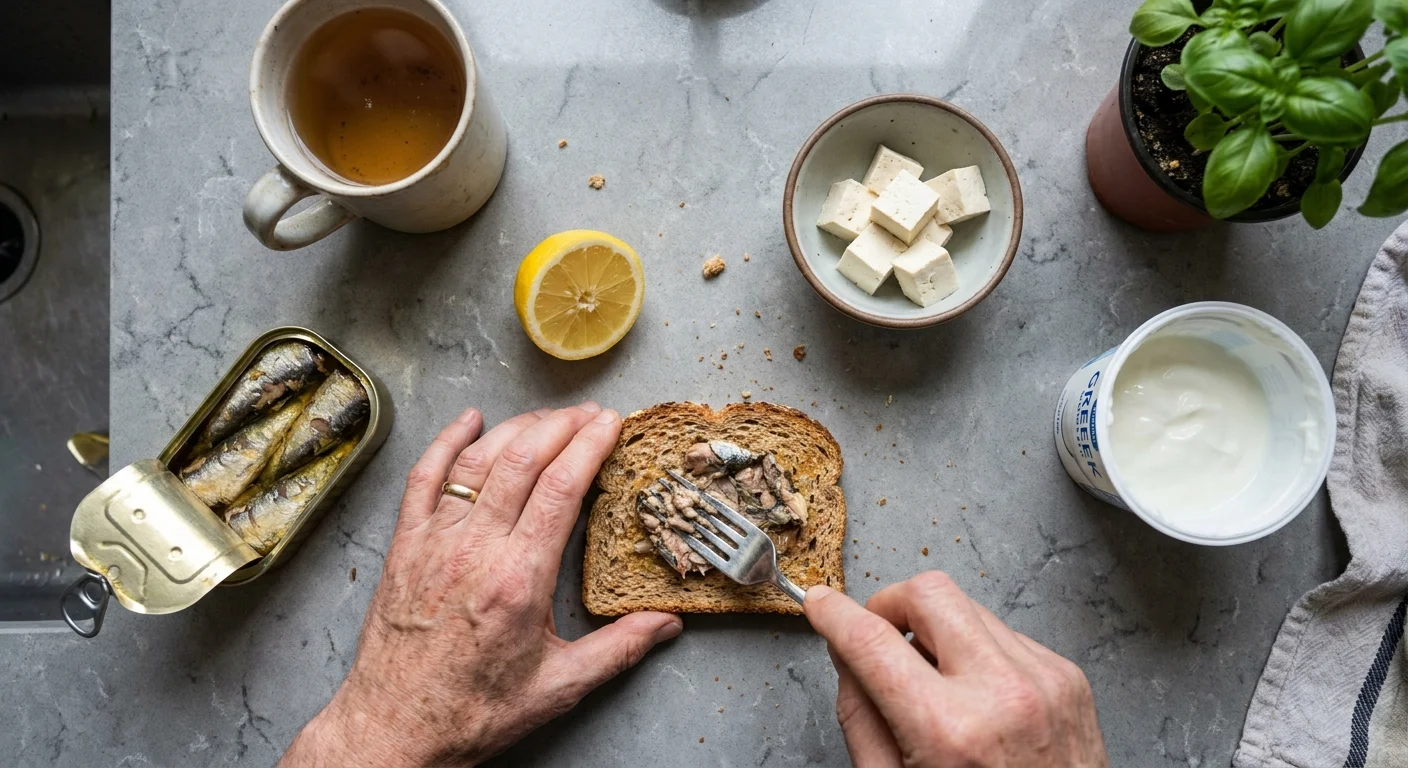
Do not let their small size deceive you; canned sardines stand as a nutritional powerhouse for aging adults. Because the canning process softens the tiny bones, you consume the entire skeletal structure of the fish, yielding over 300 milligrams of calcium per standard three-ounce serving. Sardines also provide exceptional amounts of omega-3 fatty acids, which actively reduce systemic inflammation and support cardiovascular health. Mash them with a squeeze of fresh lemon juice, Dijon mustard, and black pepper for a deeply nourishing lunch spread.
3. Calcium-Set Tofu
For those exploring plant-based diets, firm tofu prepared with calcium sulfate is an irreplaceable staple. You can secure up to 400 milligrams of the mineral in just a half-cup serving, provided you check the ingredient label specifically for calcium sulfate. Tofu eagerly absorbs the flavors of whatever marinades or sauces you cook it in, making it an incredibly versatile protein for evening meals. Pan-fry cubes of firm tofu in sesame oil and garlic to add a satisfying, bone-building crunch to your vegetable stir-fries.
4. Fortified Plant Milks
If you prefer to avoid traditional dairy, modern fortified plant milks offer a highly effective alternative. Commercial almond, oat, and soy milks typically undergo fortification to match or exceed the mineral profile of cow’s milk, often providing 300 to 450 milligrams per cup. However, the added minerals exist as heavy particulates that inevitably sink to the bottom of the carton during storage. You must shake the container vigorously before pouring your morning glass to ensure you actually consume the nutrients rather than leaving them trapped at the bottom.
5. Dark Leafy Greens
Cruciferous vegetables like collard greens, bok choy, and turnip greens provide excellent plant-based mineral density. While spinach frequently receives praise for its nutrient profile, it contains high levels of oxalates—naturally occurring compounds that bind to calcium and completely block its absorption in your digestive tract. Collard greens and bok choy contain virtually zero oxalates, allowing your body to easily process the 150 to 250 milligrams found in a cooked cup. Gently sauté these greens in olive oil to soften their tough cellular walls and further enhance nutrient extraction.
6. Aged Cheeses
Hard, aged cheeses like Parmesan, cheddar, and Swiss concentrate massive amounts of nutrients into very small serving sizes. A single ounce of Parmesan cheese contains roughly 330 milligrams of calcium. Furthermore, the extensive aging process ferments away almost all the natural milk sugars, making these hard cheeses virtually lactose-free and exceptionally gentle on mature digestive systems. You can grate a small handful over roasted vegetables or enjoy a few slices alongside fresh apple wedges for a balanced afternoon snack.
7. Canned Salmon with Bones
Much like sardines, traditional canned salmon includes edible, mineral-rich bones that dissolve easily when mashed. A standard serving yields upwards of 200 milligrams of calcium, but salmon provides another crucial advantage: it serves as one of the few natural food sources of vitamin D. Since your body requires vitamin D to pull calcium across the intestinal wall into your bloodstream, canned salmon delivers both the raw building materials and the specific key needed to unlock their benefits.
8. Chia Seeds
These tiny seeds pack a remarkable nutritional punch, delivering roughly 180 milligrams of calcium in just two tablespoons. Beyond their mineral content, chia seeds provide essential dietary fiber that supports regular bowel motility—a frequent concern for older adults. When exposed to liquid, chia seeds expand and form a gel-like consistency. You can capitalize on this unique property by soaking them overnight in fortified oat milk to create a rich, digestion-friendly pudding for your morning meal.
9. Almonds
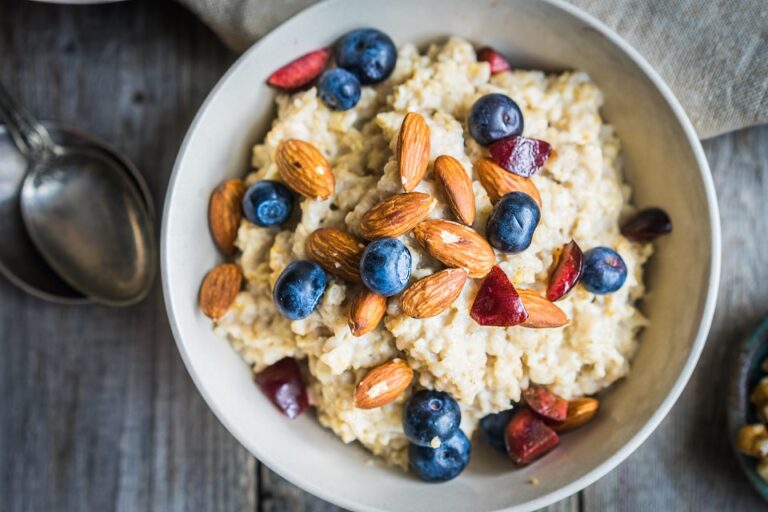
Among all dietary nuts, almonds contain the highest concentration of bone-supporting minerals. A one-ounce handful provides roughly 75 milligrams of calcium, alongside heart-healthy monounsaturated fats and vitamin E. Because raw almonds feature a tough outer skin that can hinder digestion, you might consider opting for dry-roasted or blanched almonds to improve their bioavailability. You can toss sliced almonds over a warm bowl of oatmeal or blend almond butter into your daily fruit smoothies.
10. Traditional Dairy Milk
The original gold standard for bone health remains highly relevant, provided your digestive system tolerates it. One cup of cow’s milk offers approximately 300 milligrams of easily absorbed calcium, naturally balanced with potassium and phosphorus. If you experience mild digestive distress from dairy but still wish to consume it, you can purchase lactose-free milk; manufacturers simply add the lactase enzyme to break down the milk sugars, leaving the entire mineral profile completely intact.
Practical Planning for Better Calcium Absorption
Knowing what foods to eat represents only half the battle; understanding how your body processes these foods dictates your actual success. The human intestine operates with a strict biological bottleneck—it can only absorb about 500 milligrams of calcium at any single time. If you consume a massive 1,000-milligram dose in one sitting, your digestive tract will simply excrete the excess, wasting valuable nutrients. Therefore, you must spread your intake strategically throughout the day. You might enjoy a yogurt parfait at breakfast, a serving of leafy greens with lunch, and a piece of calcium-set tofu at dinner to maintain a steady, highly absorbable stream of minerals.
Your grocery shopping strategy dictates the quality of your nutritional execution. Spend the majority of your time shopping the outer perimeter of the supermarket, where the fresh produce, dairy, and lean proteins reside. When selecting packaged goods, flip the item over and scrutinize the nutrition label. The USDA FoodData Central database consistently highlights that commercial fortification varies wildly between brands, so you must confirm the exact milligram count per serving. Mindful eating practices also play a deeply profound role in nutrient extraction. Sit down at a proper table, eliminate external distractions, and chew your food thoroughly. Mechanical breakdown in the mouth triggers the release of specific gastric juices in your stomach, directly improving your body’s ability to dissolve and utilize complex food matrices.
Personalizing Your Bone Health Diet
Every senior navigates a unique set of circumstances, and your nutritional strategy must respect your personal boundaries, cultural traditions, and financial realities. If you manage an allergy to dairy proteins, you do not need to panic. The plant kingdom offers an abundance of bioavailable minerals through dark leafy greens, seeds, and specialized tofu preparations. You can honor your cultural heritage by adapting traditional family recipes; simply swap out nutrient-poor ingredients for fortified alternatives or mix dark, leafy greens into hearty ancestral stews.
Budget constraints frequently challenge older adults on fixed incomes, but building strong bones does not require purchasing luxury health foods. Canned sardines and canned salmon rank among the most cost-effective protein and mineral sources available in any supermarket. Dried beans, lentils, and bulk-purchased chia seeds offer tremendous nutritional returns on a very small financial investment. The National Council on Aging encourages seniors to embrace these highly economical, shelf-stable items to build a resilient and budget-friendly pantry.
Frequently Asked Questions About Calcium and Aging
Should I rely on a calcium supplement instead of changing my diet?
You should always prioritize a food-first approach to nutrition. Whole foods provide a complex matrix of co-factors, including magnesium, phosphorus, and vitamin K, which collectively support skeletal remodeling. High-dose calcium supplements can sometimes spike blood calcium levels too rapidly and may increase your risk of developing painful kidney stones. While the International Osteoporosis Foundation recognizes that targeted supplementation holds value for individuals with severe deficiencies, you should treat supplements as a safety net rather than your primary strategy. Always consult your clinical team before introducing a high-dose mineral supplement.
How do I manage sweet cravings while supporting my skeletal system?
You do not need to abandon your sweet tooth to protect your bones. You can easily transform mineral-rich ingredients into deeply satisfying desserts. Blend fortified soy milk with a frozen banana and a spoonful of almond butter for a sweet, creamy evening treat. Alternatively, layer fresh blackberries and crushed walnuts over plain Greek yogurt with a very light drizzle of dark maple syrup. These combinations satisfy sugar cravings while simultaneously delivering a substantial dose of protein and essential bone-building micronutrients.
What is the most effective way to track daily nutrient targets without obsessing?
Meticulously weighing every morsel of food quickly leads to dietary burnout. Instead of counting exact single-digit milligrams, utilize a rough serving-estimation method. Familiarize yourself with the general output of your favorite staples—knowing that a glass of fortified milk, a serving of hard cheese, and a portion of tofu each hover around 300 milligrams. Aim to incorporate three to four of these high-yield servings into your daily routine. This relaxed but structured approach guarantees you meet your targets without the mental fatigue of strict numerical tracking.
How can I integrate these specific bone-building foods into meals for my broader family?
Cooking separate meals for yourself and your younger family members causes unnecessary stress. Fortunately, bone-health ingredients naturally enhance standard culinary favorites. You can fold fresh kale into a large family pot of marinara sauce, or grate robust amounts of Parmesan cheese over a shared vegetable bake. Canned salmon easily transforms into savory salmon patties that appeal to all generations. By focusing on versatile, flavor-forward applications, you seamlessly elevate the nutritional baseline for your entire household.
Nourishing Steps Forward
Protecting your physical independence requires consistent, intentional action in your own kitchen. Knowledge alone will not fortify your skeleton; you must apply these concepts to your daily plate. Look at your planned meals for tomorrow and identify exactly one opportunity to substitute a high-calcium food into your routine. Perhaps you will swap your standard breakfast cereal for a robust chia seed pudding, or add a handful of collard greens to your afternoon soup. Take control of your aging process through the profound power of targeted, science-backed nutrition, and celebrate the incredible resilience of your body with every carefully chosen bite.