

The Risks of Overeating Protein
Side effects from excess protein are rare in healthy people. Unless you have a liver or kidney problem, you’d have to eat a lot of protein for a long time to cause any severe damage. It would take months of extra consumption for symptoms to appear.
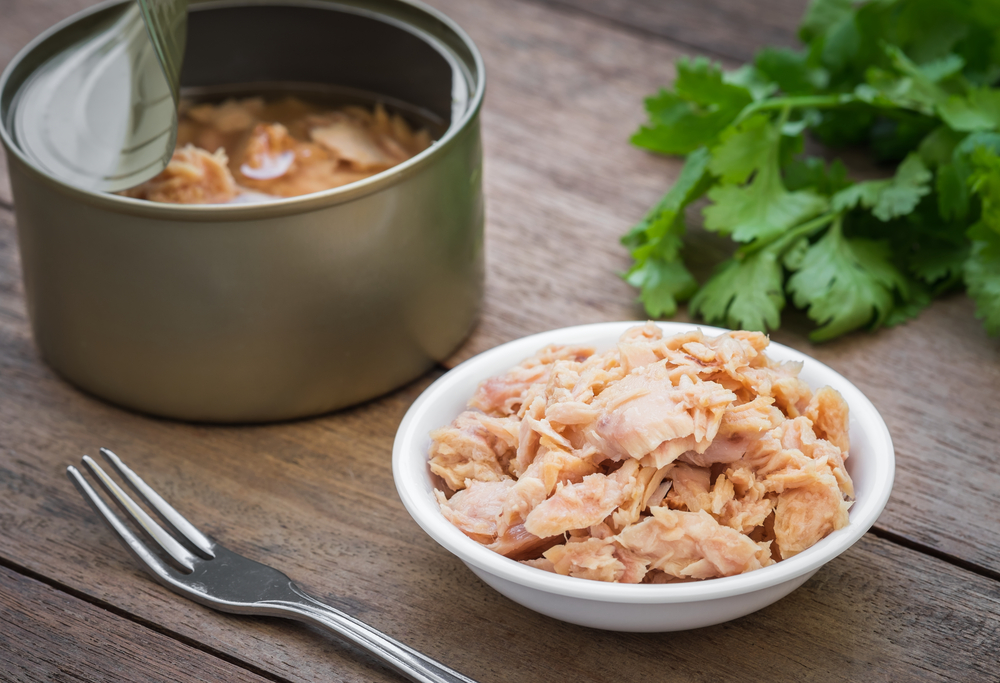
The most significant risk of overeating protein is eating too much of the bad stuff that comes with protein foods. Sodium, nitrites, hormones, and preservatives are standard in processed meats. Canned tuna can mean a lot of mercury and chemicals, which were banned in the ’70s but still appear in seafood.
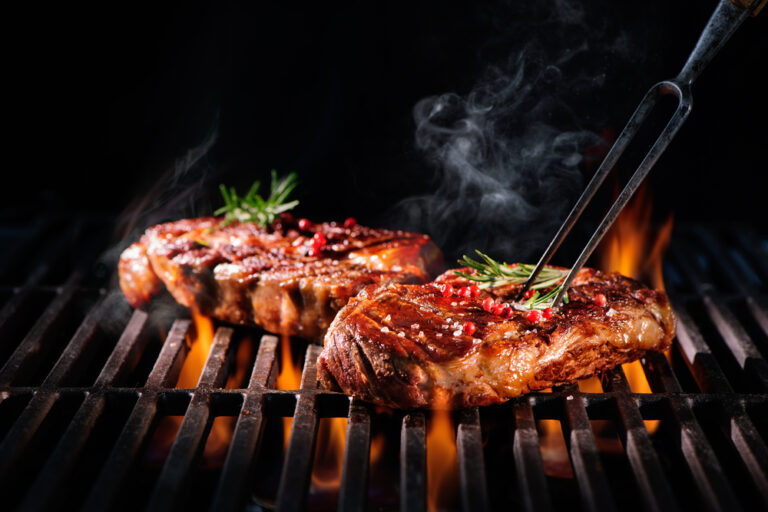
Eating a big part of your calories from animal protein could mean that you’re under-eating plant calories, and that means trouble for your long-term health.




8 thoughts on “Too Much Protein In Your Diet? Here Are 11 Signs”
I was totally lost. I have most of the symptoms you mention. Constipation being the worst. I thought I was supposed to eat a lot of protein for energy which I still do not have. I also think it was caused by a medicine I take for my diabetes. I was losing weight which I was doing good but have stopped losing and feel bloated.
Most of the symptoms are not from protein intake but from failure to meet other dietary needs. Very few people ever experience protein toxicity. It would take a lot more protein to produce that than most people ever consume.
Too little water can cause a variety of symptoms, including headaches, constipation and lethargy. Your body needs water to properly function. There’s less water in meat than in fruits and vegetables. This can be remedied by simply drinking more water. Sodas and other sweetened beverages are also a source of water, so cutting them out can leave a person less hydrated – unless they compensate by switching to another source of water. Water, itself, would do that.
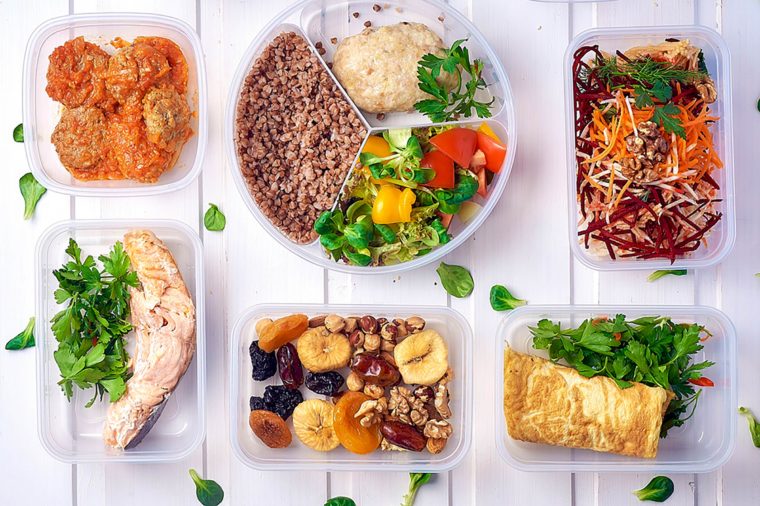
Meat is a terrific source of B vitamins, often missing from many vegetarian and vegan diets, but also missing from a lot of fast food. It’s also a great source of Vitamin A. It’s not, however, a great source of Vitamin C, which is amply covered by many fruits and vegetables. Vitamin D’s best sources include fatty fish. Vitamin E is best found in leafy greens, nuts and seeds. Vitamin K has both animal and plant sources to draw from.
Great article on high-protein diets. I am so trying to lose 50 pounds (at the age of 75) and I have been leaning toward fewer carbs and replacing them with protein. Good advice. Thank you.
While protein is not the enemy, neither are carbs, at least not all of them. Fruits, vegetables, nuts and seeds are all sources of carbs but they’re the good kind, choc full of vitamins, minerals and antioxidants. They’re not comparable to processed foods, which also have carbs but quickly break down into sugar and provide little else in terms of nutrition. An apple and a Snickers bar are both sources of carbs. Guess which one is healthier.
some necessary medication cause this. If you are going to terrify people mostly senior. At least do though research. It look like you just copy or right what you hear..
Talk your doctor before you do anything you see written. Protein is the fire that burns the carbohydrates. Too many people have hurt their body because some clown writes a story ! Use common sense!! Best defense!
Very satisfied with my vice President. Thankful to have common sense once again
Where are the other 2 reasons?