

Seafood
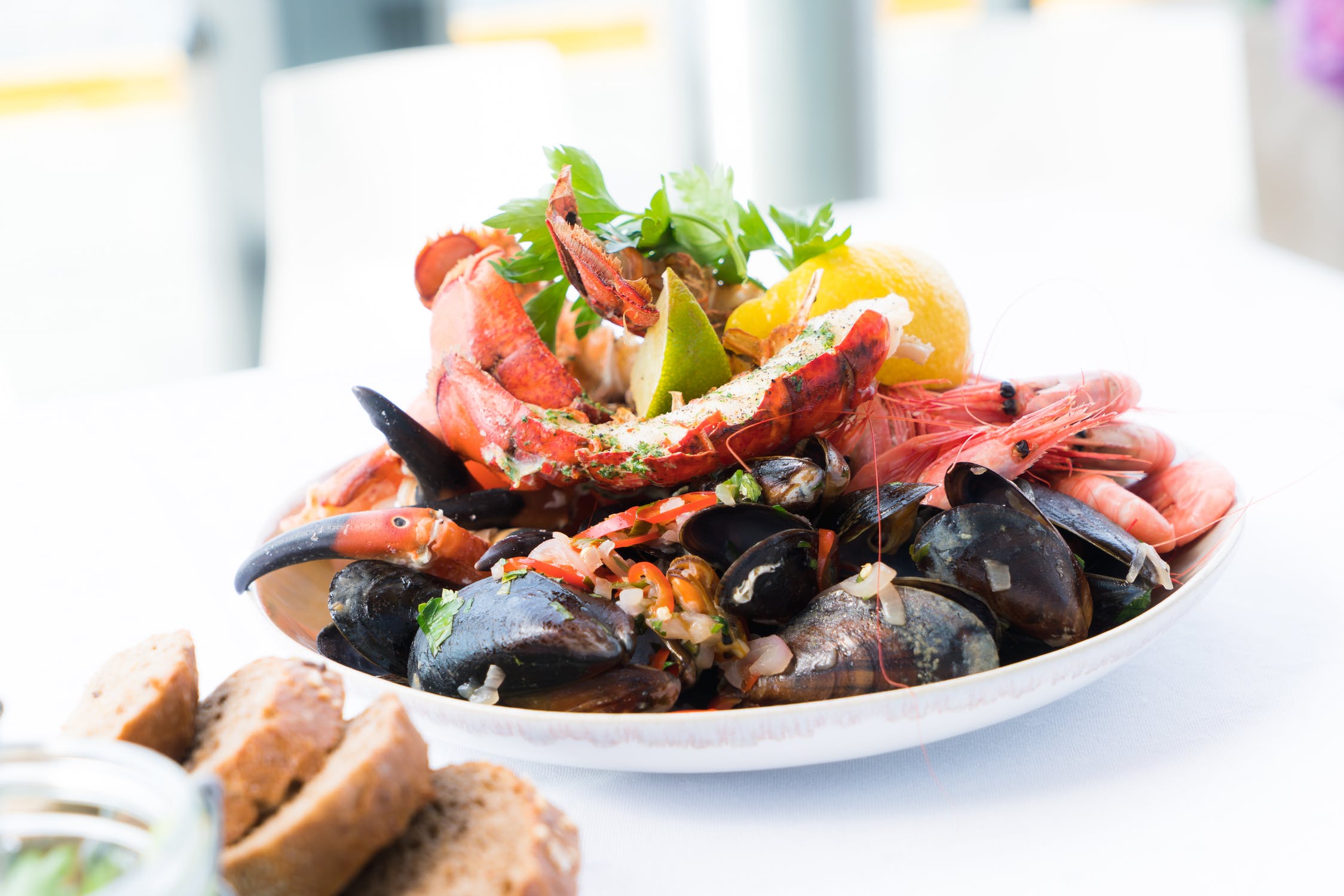
Seafood is a great option when you want to replace red meat, and, as you probably know, fresh fish is super healthy (even if we don’t eat enough), but nothing says food poisoning risk like bad seafood. And according to the FDA, it can go bad pretty easily—bacteria grows quickly on any seafood that isn’t kept between 40 and 140 degrees Fahrenheit.
Even the ambient temperature in the room can affect it, so to be safe, don’t let seafood sit on your counter-top more than one hour. And really, unless you want to annoy your co-workers or roommates, you might not want to reheat this in a communal microwave anyway.
P.S.: If you want to reduce food waste and save money, storage bags are the answer. They have FDA certificate, being designed to maintain freshness of food. You can even store beverages due to their upgraded zipper. These storage bags are also reusable and durable, so they can be used many times, no matter what types of food you store inside them.



25 thoughts on “7 Foods You Should NOT Eat As Leftovers”
I cannot find the list of leftovers to avoid
“And according to the FDA, it can go bad pretty easily—bacteria grows quickly on any seafood that isn’t kept between 40 and 140 degrees Fahrenheit.”
Uh, I’m pretty sure you mean that IS KEPT between 40-140 degrees, unless I’m reading/understanding this incorrectly… :/
“Eggs almost always contain salmonella” In which third world country does this happen? Where they bleach the chicken just to be sure there’s no salmonella because the production chain is not sanitized enough? I’m asking just out of curiosity, to know which country to avoid, as I’ve eaten very undercooked, if not raw eggs (mayo for example), in all corners of the world and never worried about salmonella.
Very helpful 😃 thanks
Whoever wrote this crap knows nothing about food science or microbiology
Ah come on. I have been eating ALL OF THESE FOOD LEFTOVER for over 60 years with NO issues whatsoever. Every refrigerator I’ve owned keeps cool and stores these foods closest to fresh. I’ve even eaten some of these foods from a cooler packed with ice while camping for over a week with NO sicknesseS….. hmmmmm
There might be a mistake on the next page – the wording is confusing. It states that it’s risky to keep seafood which “isn’t” kept between 40 and 140 degrees. Those are the temps you do NOT WANT food to be! Food needs to be stored below 40 degrees and cooked above 140. I hope this statement doesn’t cause anyone to become ill!
The beets really impressed me. I keep them in the fridge and eat them regularly hot or cold. Thanks for the tip.
Thanks for sharing this. I did not know about not saving some left overs.
Washing them? Sometimes they have little bugs in them. Ants and so on. I always wash my fruit. Actually, I wash everything that we eat.
i’ve eaten at least 6 out of the 7 consistantly and never gotten sick !! bad list!!
What a stupid article.
Given this info, I should have died many many years ago,
If you really cared for peoples health and not a money making product , you, like so many others, would stop the l-o-n-g videos…..tell us the answer to the question and not make us go thru these LONG videos…….
total commercial scam…it starts telling us he’s going to mention the three changes that he is doing at breakfast,but he never says anything about it, instead, he wants to sell his product…very deseptive…
If you have leftover chicken, strip the meat off the bone and store it in a container in the ice box.
So many of your don’t eat “leftovers” are dependent on not refrigerating them in a timely manor.
Fried rice is usually made with “day old” rice – how do you get day old without refrigerating the rice.
Who writes this clickbait crap.? I spent 35 years as a food scientist and I do not agree with any of them
Thanks for the information. We eat leftovers very frequently and I freeze leftovers as well. I do thaw them out in the refrigerator knew about being careful with leaving chicken, seafood and eggs out, but had no idea I should be careful with rice, spinach and beets.
Thanks again.
Don’t like the pushing of ads. Can’t you just provide information instead of turning it into a sales ad
You mean below 40 or over 140 so it’s “is” not “isn’t”.
Seafood is a great option when you want to replace red meat, and, as you probably know, fresh fish is super healthy (even if we don’t eat enough), but nothing says food poisoning risk like bad seafood. And according to the FDA, it can go bad pretty easily—bacteria grows quickly on any seafood that isn’t kept between 40 and 140 degrees Fahrenheit.
Need somebody to review nonsense – keep seafood between 40 and 140 for safety????????
All I’m seeing is ads, ads, popups and more ads.
I eat these items as leftovers and have for 82 years.
I have eaten every single one of these as leftovers and I have not got sick.